
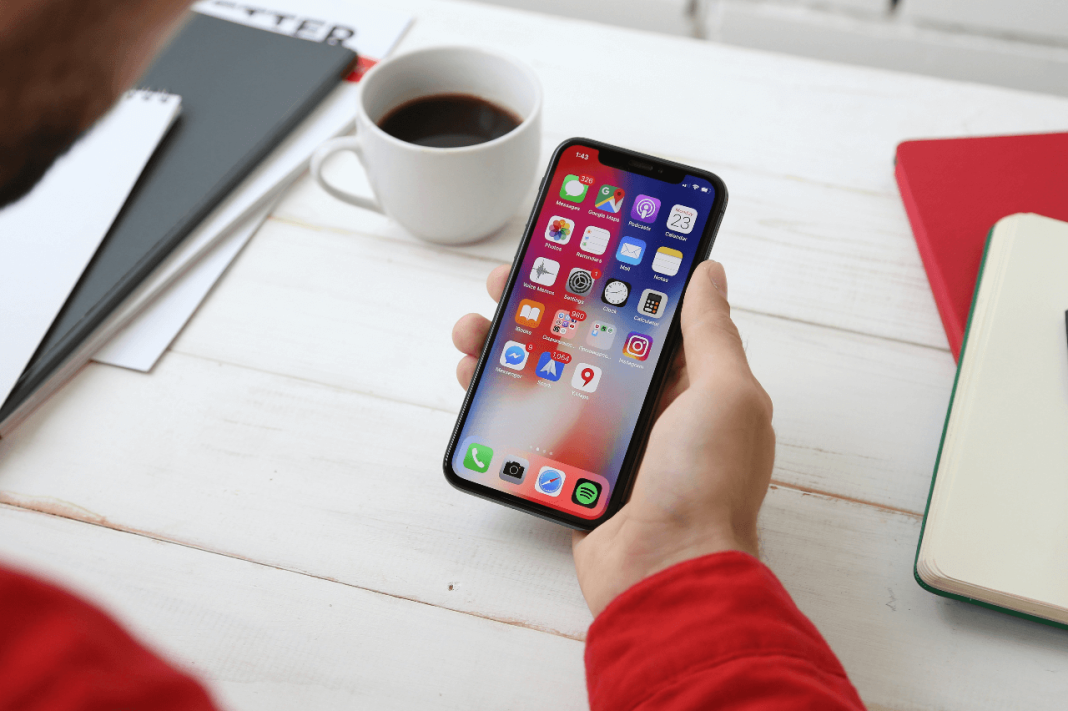

A shopper picks up a sealed phone in a crowded Karol Bagh store, screen protectors glinting under white tube lights, fans clicking softly. The sales rep points to a preloaded app. India mandates Sanchar Saathi on all new smartphones. Pre-load cyber security now standard. Feels like a firm step, and a tight one too, reflecting what many now follow as Top Stories.
Why India Is Making Sanchar Saathi Mandatory on All New Smartphones
Rising handset theft, cloned IMEI numbers, spam calls that spike during salary week, and quick-flip resale markets created pressure. A single missed report, a swapped tray, a rushed buy at a kiosk, and damage spreads. Authorities want a baseline tool present the moment a device boots. Not a QR taped on a counter, not a link in fine print. An app in the drawer, ready, steady. That is how it looks right now.
What Is the Sanchar Saathi Cyber Security Platform?
Sanchar Saathi functions like a public utility for telecom hygiene. It links device identity, connection records and citizen requests into one frame. Users check IMEI authenticity, raise tickets for stolen phones, and see active mobile numbers linked to an ID. The portal and app speak the same language. Simple screens, form fields that do not wander, and direct actions. Not flashy, just workmanlike. Sometimes that is best.
Key Highlights of the New Pre-Installation Mandate
- Pre-installation on every new smartphone sold in India.
- Visibility during first-time setup, not buried in a folder.
- App not disabled by skinning or bloat, keeps core functions intact.
- Updates for in-channel inventory to bring parity with new stock.
- Compliance reports by device makers and importers, with timelines.
A retailer in Surat said stockrooms got noisier after the circular. Boxes in, updates out, small fixes, a lot of tape. Feels like real work sometimes.
Why the Government Introduced This Mandatory Pre-Load Rule
Officials cite three pain points that kept repeating. One, theft chains that strip identity and pass devices across cities overnight. Two, fraudulent SIM usage tied to weak checks or old paperwork. Three, delay in consumer reporting because the right tool sat far away. A preloaded app narrows that gap. Not elegant perhaps, but direct. Maybe they are right.
International Comparison: How Other Countries Handle Mandatory Security Apps
Below is a compact view that editors keep handy. Not perfect, good enough.
| Region | Approach | Typical Method | User Control |
| India | Pre-loaded security utility | App present on new phones | Limited removal, core intact |
| EU | Platform privacy first | System prompts, store rules | Broad control, strict consent |
| US | Carrier-led safety tools | Optional installs, alerts | High removal control |
| China | State-aligned utilities common | Preload plus platform tie-ins | Removal varies by vendor |
Models differ because markets differ. That’s normal.
Benefits of Sanchar Saathi for Indian Smartphone Users
The everyday gains sound plain but matter on a Friday evening. Instant IMEI checks before payment at the counter. Quick blocking when a phone slips in the metro crowd. A clean list of all numbers mapped to one ID, handy during KYC renewals. Scam call flags that cut through the noise just enough. Less panic, more methods. That’s how we see it anyway.
Impact on Smartphone Manufacturers and Importers
Large brands can fold new requirements into monthly release trains. Smaller importers juggle certifications, customs windows and warehouse upgrades. Extra testing time squeezes festival-season launches. Access permissions, OS guidelines, and customer care scripts need edits. No fireworks, only spreadsheets and long calls. Some grumbling is natural.
Privacy Concerns and Criticism of the Mandate
Skeptics worry about state software planted by default. They want transparent data handling, clear retention rules, and uninstall options in plain language. They also ask for audits by neutral labs, not just paperwork. A fair question. Trust travels slowly in tech policy, often by foot.
What This Mandate Means for New and Existing Smartphone Buyers
New phones will show Sanchar Saathi on first power-on screens. Existing units in warehouses may get the app through updates before sale. Older devices already in pockets see no change unless a maker rolls an optional build. Second-hand sellers in Nehru Place and similar markets will need cleaner intake checks. Less wink-and-nod, more register. Buyers get a tool; sellers get more questions. Fine.
How Sanchar Saathi Works: IMEI Check, Fraud Alerts & Reporting
The workflow stays linear. Enter IMEI, validate, and store the ticket. Report theft with simple identifiers, attach a slip number or a quick note if needed. For spam or fraud, tag the call, add timing, submit. The system nudges carriers for action. A confirmation comes back. Short beeps, screen lights, done. Not pretty, but reliable is the point.
FAQs
1. Will Sanchar Saathi affect phone performance during daily tasks or gaming sessions on mid-range devices?
Reports suggest minimal overhead since checks run on demand, not in heavy background loops, though periodic updates can trigger short spikes.
2. Can feature-phone users expect similar protections through service codes or assisted kiosks across districts?
Authorities indicate service points and portal workflows continue in parallel, giving non-smartphone users workable routes.
3. How will second-hand sellers handle intake for trade-ins that lack the preloaded app at the time of purchase?
Most will verify IMEI at handover, then push updates during refurb steps, adding paperwork to keep records tidy.
4. Do brands need separate approvals for each model when implementing the mandate in production runs?
Typically yes, since model firmware trees differ, so compliance maps to build lines, not just a family label.