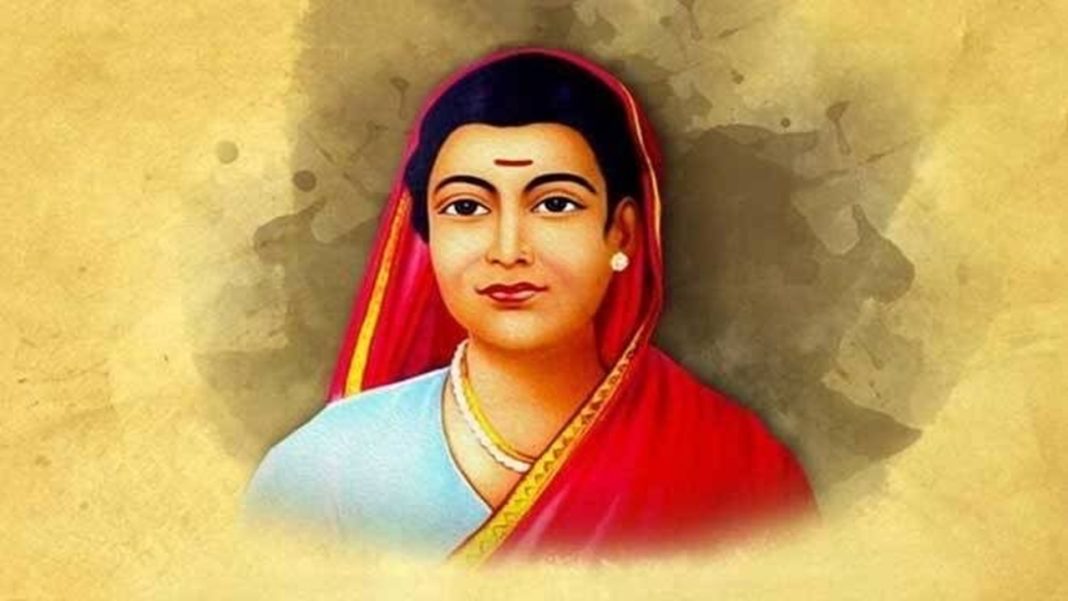

Savitribai Phule Jayanti 2026 lands at a time when school access looks better on paper than it feels on ground. Dropouts, early marriage pressure, safety worries, and money stress still pull girls away. And that reality makes this day more than a calendar event. It becomes a check on what society celebrates and what society ignores. That contrast sits quietly, but it sits there.
Who Was Savitribai Phule? A Pioneer of Women’s Education
Savitribai Phule was born on 3 January 1831 in Naigaon, Maharashtra. She became India’s first woman teacher in a period when women teaching children was treated as a social offence. With Jyotirao Phule, she worked to open classrooms for girls and for children pushed outside “acceptable” society. Not everyone clapped, that is obvious.
She also wrote poetry and public messages that spoke on dignity, learning, and social cruelty. The writing stayed direct, not decorative. That style still reads sharp, even now.
Why India Celebrates Savitribai Phule Jayanti
The Jayanti stays important because it honours action, not just identity. It marks a woman who stepped into the street every day and taught, even when abuse followed. So the day sits as a reminder that social change often begins as a small routine done stubbornly. Routine work, not speeches.
The day also carries a wider signal. Savitribai Phule stands linked with anti-caste reform, widow support, and a push for human dignity across communities. Many public events highlight this wider work, not only schooling. That framing matters, even if it irritates some people.
Savitribai Phule’s Groundbreaking Contributions to Women’s Education
Savitribai Phule’s education work is often summarised in one line, but the details show the weight.
Key actions widely discussed during Jayanti events include:
- Opening one of the earliest girls’ schools in Pune in 1848, linked with the Bhide Wada school initiative
- Teaching girls and also children facing caste exclusion, at a time of open hostility
- Building support systems for women, including widows, in practical ways
- Using writing and public speaking to defend education as a basic right
A small point gets missed often. Teaching was not the only work, organising the space around teaching was also work.
How Savitribai Phule Jayanti 2026 Will Be Celebrated Nationwide
Observances in 2026 are expected to follow familiar patterns in schools, colleges, local bodies, and social groups. Maharashtra remains a key centre, with Pune often taking a lead in public commemorations. But the day appears across India in educational spaces and social organisations. And social media keeps it loud.
Common formats seen each year:
- Statue garlanding, public talks, and community gatherings
- Student assemblies, essay writing, and speech competitions
- Street plays and poster-making drives on girls’ education
- Library corners and reading circles focused on her poems and letters
Some events keep it simple. That simplicity works better than over-production, honestly.
Inspiring Quotes for Savitribai Phule Jayanti 2026
Many organisers use short lines in posters and speeches, keeping the language direct. A few commonly shared ideas linked to her writings and public message are listed below, paraphrased for easy use.
- “Education brings self-respect, and self-respect changes life.”
- “Learn, think, and break the fear that society hands out.”
- “If knowledge stays locked, freedom stays locked too.”
- “A girl with education carries a whole village forward.”
People repeat these lines because they fit everyday life. That is the reason, simple.
Ways Schools and Colleges Can Observe Jayanti in 2026
Educational institutions often shape the day best, because the theme is education itself. The strongest observances focus on action inside the campus, not only a stage programme. And students notice the difference.
Practical ideas used by schools and colleges:
- Set up a “girls’ education help desk” for scholarship guidance and form filling
- Invite local women teachers and principals for a short panel, not a long lecture
- Run a book donation drive aimed at government schools in the same district
- Conduct a safety and attendance audit, then share it with parents’ groups
- Organise a one-hour reading of her poems, followed by student reflections
Some campuses also link the day to volunteer teaching sessions. It looks small, yet it adds up.
Savitribai Phule’s Lasting Legacy in Modern India
Savitribai Phule remains a reference point in debates on girls’ schooling, caste equality, and public education quality. Her name appears in awards, institutions, and community programmes that focus on inclusion. But the real legacy sits in expectation: the idea that girls must study as a right, not as permission. That idea still faces resistance in pockets.
Her death during plague service in 1897 is also remembered in many public notes. Service during crisis, not comfort during crisis. That detail hits hard.
Timeline of Key Milestones in Savitribai Phule’s Life
A short timeline helps readers track her life without turning it into mythology. And facts keep the tone grounded.
| Year/Date | Milestone |
| 3 Jan 1831 | Birth in Naigaon, Maharashtra |
| 1848 | Early girls’ schooling work in Pune begins with Jyotirao Phule |
| 1850s | Expansion of teaching and social reform activity, including support for marginalised children |
| 1897 | Death in Pune during plague relief work |
Even this table feels heavy, because each line carries social conflict behind it.
Why Her Work Remains Relevant in 2026
The relevance sits in the unfinished parts. Girls still leave school due to money pressure, care work at home, unsafe travel, and social control. Caste bias still shows up in subtle ways in classrooms and playgrounds. And the push for “quality education” often skips the question of dignity.
Savitribai Phule’s work speaks to dignity first, then learning. That order makes people uncomfortable, and it should.
FAQs on Savitribai Phule Jayanti 2026
1) When is Savitribai Phule Jayanti 2026 observed in India?
Savitribai Phule Jayanti 2026 is observed on 3 January 2026, marking her birth anniversary across India.
2) Why is Savitribai Phule called the pioneer of women’s education in India?
She taught girls publicly in the 1800s and helped start early girls’ schools in Pune, despite strong social opposition.
3) What type of events usually happen on Savitribai Phule Jayanti 2026?
Schools, colleges, and community groups hold speeches, essays, plays, book drives, and education-focused awareness programmes.
4) What is one major message linked with Savitribai Phule’s work?
Education must reach girls and excluded communities with dignity, not charity, and not as a favour.
5) How can a family honour Savitribai Phule Jayanti 2026 at home?
Families can support a girl’s education directly, donate books, and discuss equal schooling as a non-negotiable right.