

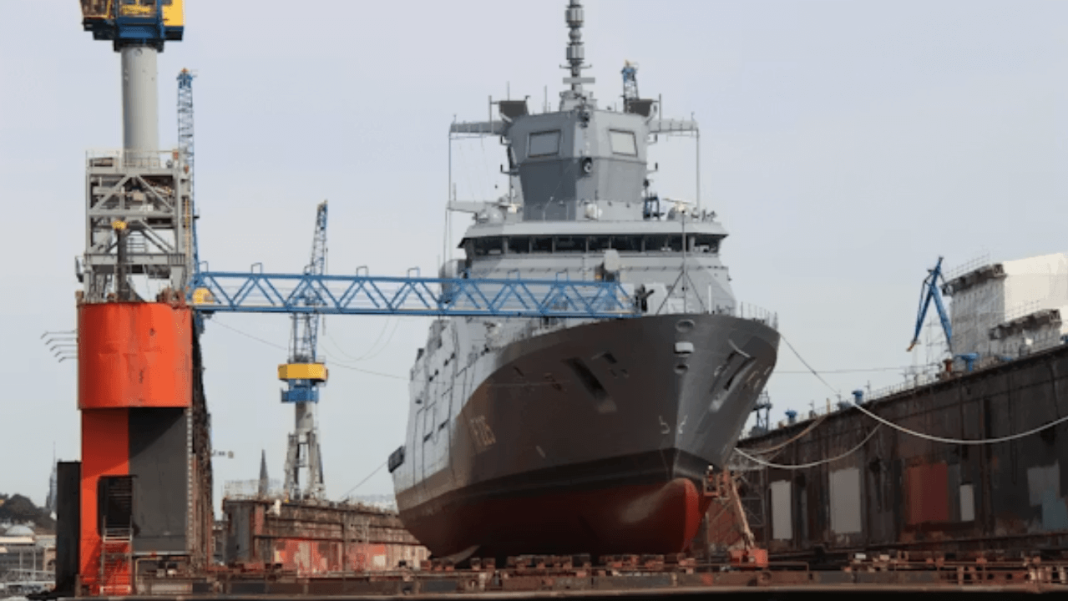

New Delhi felt like winter metal that morning, the kind that makes gates squeak and tea smell stronger. In that setting, India’s ₹44,700 Cr shipbuilding incentive schemes landed with a clear message: build ships at home, build skills at home, build jobs at home. The Shipbuilding Financial Assistance Scheme (SBFAS) and the Shipbuilding Development Scheme (SbDS) sit at the centre of this push, aimed at industry scale-up and steady work across yards, vendors, and ports, marking a key moment in Latest News in India.
What the ₹44,700 Cr Shipbuilding Incentive Package Covers
Officials have framed the package as two parallel tracks. One track supports actual ship orders and contracts. The other track supports shipyard capacity, technology, and finance comfort for lenders. That split matters. Shipbuilding needs both demand and hard infrastructure, else it turns into talk.
| Component | Core focus | Practical outcome expected |
| SBFAS | Contract-linked support | More domestic ship orders, faster booking cycles |
| SbDS | Yard capacity and capability | New docks, upgrades, tech centre, easier credit |
A senior yard manager in western India described it in plain words: “Orders keep lights on. Infrastructure keeps the yard alive five years later.”
Overview of the Shipbuilding Financial Assistance Scheme (SBFAS)
SBFAS works like a direct nudge for ship owners and builders to sign domestic contracts. The assistance is linked to the contract value and tied to milestones, so the money moves in steps, not in one relaxed cheque. That reduces the usual headache of cost overruns landing on the yard.
SBFAS is also designed to reward repeat building. Series orders matter in shipbuilding. The second vessel runs smoother than the first, less rework, fewer surprises, better vendor planning. That rhythm is where Indian yards often lose time, and time is money, simple.
Overview of the Shipbuilding Development Scheme (SbDS)
SbDS deals with the yard itself. Dry docks, ship lifts, fabrication lines, testing labs, design capability, training bays. That stuff is not glamorous, but it decides output. Greenfield clusters and brownfield upgrades sit inside this scheme, so new facilities and older yards can both get a route forward.
A key part is the plan for a national technology and design push, positioned around an India Ship Technology Centre. Design is the silent gap. Many yards can cut steel. Fewer can engineer complex vessels quickly and cleanly, with fewer rejections at inspection.
SbDS also talks about credit comfort, which bankers quietly like. Shipbuilding loans are long, and lenders hate uncertainty. A credit risk cover framework, if executed well, can reduce the “no” responses that stall projects.
How These Schemes Strengthen India’s Maritime Capacity
Capacity is not only about adding docks. It is about raising reliability. Owners want delivery dates they can mark on a calendar, not guesses. Suppliers want predictable orders, not sudden stops. Workers want steady shifts, not two months of overtime and then layoffs.
The schemes also push for broader capability. Offshore support vessels, coastal cargo ships, ferries, tugs, specialised utility vessels, each one uses different vendor networks and skill sets. When orders spread across categories, the ecosystem gets stronger. It becomes harder to break.
And yes, there is a strategic angle too. Domestic shipbuilding reduces dependence on foreign yards for essential fleets. That is not drama, it is basic planning.
Economic Impact: Jobs, Investments, and Industry Growth
The job story will show up in small places first. Welding bays hiring two more hands. Paint shops adding a night shift. Fabrication vendors buying one more cutting machine. These are not headline moments, but they pay household bills.
A ship order does not stop at the yard gate. It runs through steel processors, engine suppliers, electrical contractors, HVAC installers, safety equipment makers, transporters, and port service firms. Even chai stalls outside industrial gates get busier. Anyone who has covered shipyards knows this pattern.
Private investment tends to follow visible policy support. Builders feel safer adding capacity when there is a clear pipeline. Financiers feel safer when risk is shared. That is the real test, not speeches.
Long-Term Vision: India’s Shipbuilding Capacity Target for 2047
Policy makers have linked this push to a long horizon, with a national shipbuilding capacity goal stretching to 2047. The headline figure often discussed is around 4.5 million gross tonnage per year by 2047, along with stronger competitiveness in global markets.
Targets sound neat on paper. Shipbuilding is messy on the ground. Steel prices change. Skilled manpower migrates. A single design error can cost months. Still, long targets help because yards plan upgrades over years, not quarters. A dock upgrade is not a weekend job.
The 2047 frame also signals patience. It suggests the government expects a build-up, not an instant flip.
Challenges That May Slow India’s Shipbuilding Ambitions
The first challenge is timing. Shipbuilding runs on long cycles. Procurement delays can push delivery dates, and penalties can eat margins. Then there is skilled labour. Training a good pipefitter or hull welder takes time, and the best workers get pulled into other industries when yards go quiet.
Clearances and coordination can also slow progress. Land, utilities, environmental permissions, local approvals, all move at different speeds. One missing approval can freeze a project. It happens more than people admit.
Industry Response to the New Incentive Schemes
Shipyard executives have welcomed the package, but with cautious language. Many have seen schemes before that looked great, then got tangled in paperwork. So the mood is hopeful, not blind. A few industry voices have stressed that guidelines and timelines must stay predictable, else bidding becomes risky.
Ship owners have shown interest too, mainly because contract support can change the cost maths. Yet owners will watch delivery discipline. Discounts mean nothing if ships arrive late. That is the blunt truth.
FAQs
1) What is the main purpose of India’s ₹44,700 Cr shipbuilding incentive schemes?
The purpose is to push domestic shipbuilding, expand shipyard capacity, and create stable jobs across maritime manufacturing and services.
2) How does the Shipbuilding Financial Assistance Scheme (SBFAS) support shipbuilders?
SBFAS supports shipbuilders by linking assistance to ship contracts and milestones, helping yards manage costs and delivery schedules.
3) What does the Shipbuilding Development Scheme (SbDS) focus on inside shipyards?
SbDS focuses on building new facilities and upgrading older yards, plus improving design, technology, and access to safer credit.
4) What job impact can be expected under these shipbuilding incentives in India?
Job impact can spread across welders, fitters, designers, vendors, transport, and port services, especially when order cycles stay steady.
5) What may slow progress even with these shipbuilding schemes in place?
Delays can still happen due to approvals, skill gaps, imported components, and long construction timelines that shipbuilding naturally carries.