

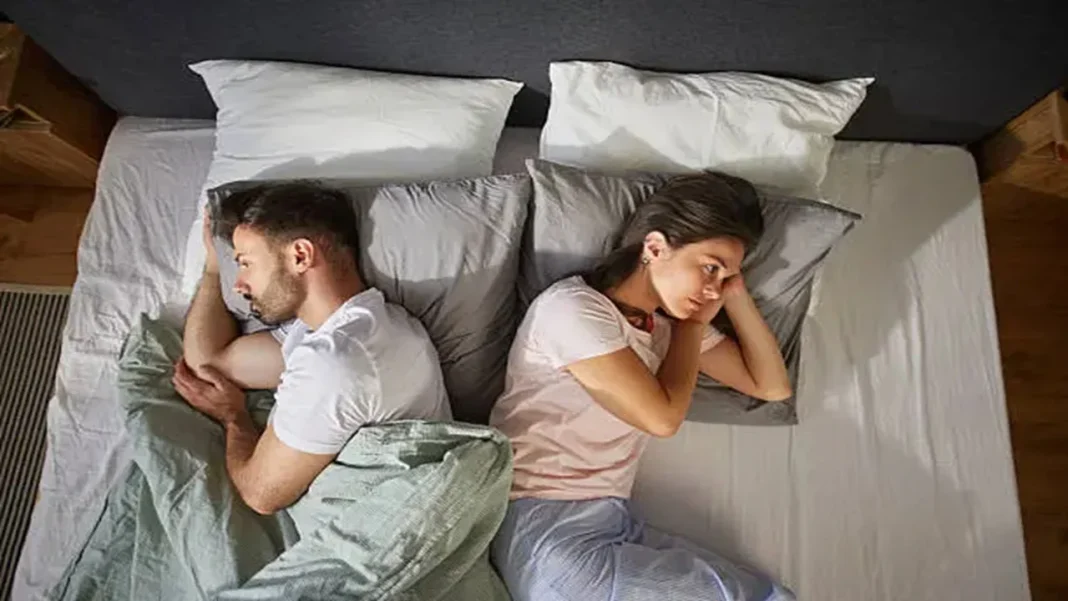

Snoring has quietly become one of the biggest reasons couples are reworking how they sleep. The phrase “sleep divorce” no longer sounds extreme to many households. It often means separate blankets, split firmness settings, noise-masking earbuds, or in some cases, separate rooms for part of the week. Sleep Foundation defines sleep divorce as partners sleeping in different rooms instead of sharing a bed, while ResMed’s sleep survey content says 18% of couples chose to sleep separately to improve rest. Snoring is one of the clearest triggers behind that shift.
What is changing in 2026 is the product mix. Couples are not only buying one anti-snore gadget and hoping for the best. They are building a system. One partner targets the snoring itself. The other protects their own sleep quality. That is why smart beds, under-mattress trackers, anti-snore mouthpieces, sleep earbuds, and contact-free snore devices are getting more attention across wellness coverage and brand launches.
Why Couples Are Buying Sleep Tech Instead Of Giving Up On Shared Sleep
A lot of couples are trying to avoid a full bedroom breakup. They want fewer midnight arguments, less nudging, and better morning energy. Medical guidance also explains why snoring should not always be brushed aside. NHLBI notes that loud snoring can be linked to sleep apnea, and common treatment options include PAP therapy, oral devices, and lifestyle changes. FDA guidance also explains that intraoral anti-snoring devices work by increasing airway space and reducing the turbulence that causes snoring.
That has pushed couples toward products that solve two separate problems at once. First, reduce the snoring. Second, protect the partner who is losing sleep. That is where the latest buying pattern gets interesting. One product rarely does everything.
- Anti-snore mouthpieces are popular because they target the snorer directly
- Smart beds appeal to couples who need separate temperature and comfort settings
- Under-mattress trackers help couples spot patterns before booking a sleep consult
- Sleep earbuds are being used by partners who need sound masking without leaving the room
- Contact-free pillow devices attract people who dislike wearing gear on the face or in the mouth
The 5 Viral Sleep Wellness Products Couples Are Talking About
1. ZQuiet Anti-Snoring Mouthpiece
ZQuiet remains one of the easiest entry-level options for couples who want to test a snoring fix fast. The brand says its mouthpiece is FDA-cleared, ready to use, and does not require boiling or molding. That low-friction setup is part of the appeal for people who give up on bulkier options quickly. Forbes also recently highlighted SnoreRx Plus among the best anti-snore devices of 2026, showing how mouthpiece-style products remain central in this category.
2. Smart Nora
Smart Nora has become a strong talking point because it works without putting anything on the sleeper’s face. The system listens for snoring and gently inflates a pillow insert to adjust head position. The company says it is compatible with any bed, pillow, or sleep position, which makes it attractive for couples who want a quieter fix without moving to separate rooms too quickly.
3. Withings Sleep Analyzer
For couples who are not even sure how serious the issue is, tracking comes first. Withings says its Sleep Analyzer is an under-mattress sensor that offers sleep analysis, snore detection, heart rate monitoring, and sleep apnea detection features in supported markets. It appeals to couples who want data before making bigger product or medical decisions.
4. Soundcore Sleep A30 Special
This one is for the partner, not the snorer. Soundcore’s 2026 Sleep A30 Special pushes adaptive snore masking, triple noise reduction, and Calm content integration. The brand says it can detect snoring in real time and adjust masking audio accordingly. T3 reported on the CES 2026 debut and called out its adaptive snore masking as a key feature for bed-sharing couples.
5. Sleep Number Climate360 Smart Bed
Some couples are not only fighting snoring. They are also dealing with overheating, different firmness needs, and constant tossing. Sleep Number’s Climate360 smart bed focuses on active cooling and warming, adjustable firmness, sleep tracking, and an adjustable base. That combination makes it one of the most talked-about premium upgrades for couples trying to keep one bed workable.
How These Products Help Sleep Divorce Boundaries Feel Less Harsh
Sleep divorce boundaries are often less about romance and more about rules. Which nights will a couple share the bed? Who gets priority if one partner has meetings early? Which product is for the snorer, and which one protects the light sleeper?
That is why the best setups often combine categories. A mouthpiece or Smart Nora can target snoring. Earbuds can help the partner stay asleep. A tracker can show whether the problem is improving. A smart bed can reduce side issues like heat and movement. This kind of layered setup feels more practical than treating sleep divorce like a dramatic all-or-nothing decision.
Official Social Post And Useful External Reads
For an in-article embed, the cleanest fit is ResMed’s official post discussing the rise of sleep divorce and partner sleep disruption. It directly connects the snoring issue to changing a couple sleep habits.
Useful external reads to place naturally inside the blog:
Sleep Foundation on what sleep divorce means and why couples try it.
NHLBI on sleep apnea and treatment options such as PAP devices and oral devices.
FDA guidance on how intraoral anti-snoring devices work.
The bigger point is simple. Couples are no longer waiting for sleep problems to become relationship problems. They are buying targeted sleep products earlier, mixing wellness with tech, and setting cleaner night-time boundaries before frustration builds. That is why these five products are getting so much traction right now.
FAQs
1. Can snoring really push couples into a sleep divorce?
Yes, repeated snoring often causes broken sleep, irritation, separate rooms, and stricter bedtime boundaries for couples.
2. Which product is best for someone who hates wearing devices?
Smart Nora suits many users because it works under the pillow without face masks or mouthpieces.
3. Are anti-snoring mouthpieces medically recognised options?
Yes, FDA guidance covers intraoral devices that help reduce airway turbulence linked with snoring at night.
4. Do sleep earbuds fix snoring itself?
No, they mainly mask noise so the partner sleeps better while other snoring solutions are tested.
5. When should couples see a doctor instead of buying gadgets?
If snoring comes with choking, gasping, fatigue, or headaches, a medical evaluation should happen soon.