

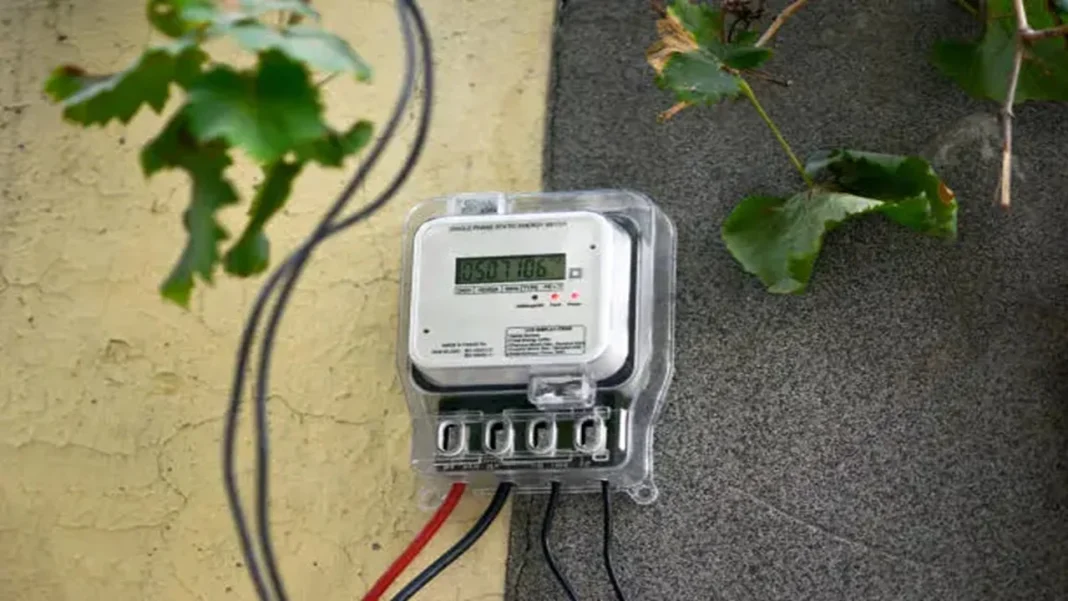

A suddenly high electricity bill can make any household question its smart meter. Before blaming the meter, however, residents should check whether an appliance, damaged wire, shared connection, estimated bill, tariff change, or previous unpaid balance caused the increase.
The Smart Meter Main Switch Test is a quick household check that may reveal whether electricity is still being recorded after the home supply is switched off. It does not prove that a meter is running fast, but it can produce useful evidence before a formal complaint.
India’s smart-meter rollout has expanded rapidly under the Revamped Distribution Sector Scheme. The Ministry of Power reported in March 2026 that more than 4.38 crore consumer smart meters had been installed under the scheme. With more families viewing daily consumption through mobile applications, unexpected deductions and sudden usage spikes are receiving greater attention.
How Does The 2-Minute Smart Meter Main Switch Test Work?
Start by switching off televisions, air conditioners, refrigerators, geysers, washing machines, lights, fans, chargers, routers, inverters, water pumps, and other connected equipment. Do not pull wires, open the meter box, break seals, or touch exposed electrical parts.
Next, find the home’s main switch or main miniature circuit breaker inside the distribution board. Note the meter reading, balance, pulse indicator, or live-load value before switching the main supply off.
Wait for approximately two minutes. Observe the meter from a safe distance.
A digital meter may display several screens automatically, so a changing display alone does not mean that units are being consumed. Focus on the kWh reading, live-load figure, pulse light, or consumption information shown in the authorised smart-meter application.
Take these steps:
- Photograph the meter reading before switching off the main supply.
- Turn off the main switch without touching the electricity board’s sealed meter equipment.
- Wait for two minutes and watch the load or pulse indicator.
- Photograph the reading again from the same position.
- Restore the main supply and check whether normal consumption appears.
- Repeat the check once to rule out a reading or timing mistake.
When the main switch is off, household circuits beyond that switch should normally stop drawing electricity. A continuing load may point to incorrect wiring, leakage, a circuit connected before the main switch, a shared supply, or another technical problem. It does not automatically confirm meter fraud or over-recording.
Residents who are unfamiliar with their distribution board should call a licensed electrician instead of attempting the test themselves.
Why Can A Smart Meter Bill Rise Even When Usage Looks Normal?
Higher bills often come from factors that are missed during a quick comparison with the previous month. Air conditioners may run longer during a heatwave, refrigerators may work harder in summer, and water pumps may remain active because of leakage or faulty float switches.
Old geysers, damaged heating elements, deep freezers, induction cooktops, room heaters, and high-capacity gaming computers can also consume more power than expected. An inverter may use grid electricity to recharge batteries after a long power cut.
Another common problem is comparing rupee amounts rather than electricity units. A bill can rise because of tariff slabs, fixed charges, fuel adjustment costs, taxes, delayed billing, arrears, or an extended billing period. Prepaid smart-meter deductions may also include earlier dues or approved charges, depending on the local distribution company’s rules.
Check the current and previous bills for:
- Opening and closing meter readings
- Total units consumed
- Billing period and number of days
- Meter status, such as actual or estimated
- Fixed charges and tariff category
- Previous balance or arrears
- Subsidy adjustment
- Recharge and deduction history
The Ministry of Power says smart meters are intended to improve billing accuracy, remove manual reading errors, and help consumers review electricity use. They can also record consumption more frequently than older meters, which may expose usage that previously remained hidden behind estimated readings.
An official PIB India post on smart-meter progress explains the rollout under the government’s Revamped Distribution Sector Scheme. Consumers should rely on their electricity board, regulator, Ministry of Power, or PIB updates instead of viral messages claiming that every fast-moving display proves a scam.
What Should You Do If The Meter Still Records Consumption?
First, record a short video showing the meter number, visible reading, main switch position, date, and time. Do not edit the video in a way that removes important details. Keep copies of recent bills, recharge receipts, app screenshots, complaint numbers, and meter photographs.
Next, ask a licensed electrician to inspect the internal wiring. Leakage, incorrect neutral connections, faulty earthing, or unauthorised sharing may cause unusual readings. An electrician can isolate individual circuits and identify whether a particular appliance or wire is drawing power.
For a basic appliance check, switch on one device at a time after restoring the main supply. Begin with a light or fan, then test the refrigerator, geyser, pump, and air conditioner separately. Compare the smart meter’s live-load display without treating appliance labels as perfectly exact measurements.
Never Attempt These Risky Meter Checks
Do not remove the meter cover, cut a seal, insert tools, disconnect board-owned wires, use magnets, or interfere with communication equipment. Such actions can cause electrocution, fire, equipment damage, or allegations of meter tampering.
The main-switch check is only a preliminary observation. A certified laboratory or authorised distribution company test is required to determine whether the meter complies with prescribed accuracy standards.
Make Smarter Tax Decisions Today
Sold Property At Loss?
Find out how to claim eligible capital gains tax relief.
Know This Month’s Tax Deadlines?
Check out the key Form 16 and advance tax dates to remember.
Which Savings Scheme Pays More?
Browse the best post office options for higher returns and tax savings.
Will Your Form 16 Qualify?
Get to know how to ensure zero tax under the latest rules.
Can You File ITR Yourself?
Explore the beginner-friendly guide to filing your tax return online.
How Can You File An Official Fast-Meter Complaint?
Submit a written complaint through the electricity distribution company’s website, application, customer-care number, email address, or local subdivision office. Select “meter testing,” “excess billing,” “abnormal consumption,” or the closest available category.
Include the consumer number, meter number, billing address, disputed bill, previous bills, photographs, videos, app records, and the date of the main-switch test. Ask for a complaint reference number and a copy of the meter test report.
Under India’s Electricity (Rights of Consumers) Rules, complaints about readings that do not match consumption must be handled within the period specified by the State Electricity Regulatory Commission, subject to the prescribed maximum timeline. Consumers may also request to remain present during testing.
When the distribution company does not resolve the complaint, escalate it to the utility’s Consumer Grievance Redressal Forum. The next remedy is generally the Electricity Ombudsman under the applicable state procedure.
Consumers can also approach the National Consumer Helpline online or call 1915. The helpline operates as a pre-litigation grievance channel and forwards complaints to participating companies or authorities.
A high bill alone does not establish that a smart meter is stealing money. Complete the safe two-minute check, compare units and billing dates, inspect appliances, preserve evidence, and demand authorised testing. Written records will carry far more weight than an unsupported allegation on social media.
FAQs
1. Can The Main Switch Test Prove A Smart Meter Is Faulty?
No, it only flags unusual recording that requires wiring inspection and authorised meter testing by professionals.
2. How Long Should The Main Switch Remain Off?
Keep it off for approximately two minutes while safely observing the consumption reading or pulse indicator.
3. Should The Smart Meter Display Become Completely Blank?
No, the display may remain active because the meter itself continues receiving electricity from the network.
5. Where Can Consumers Report An Unresolved Meter Complaint?
Consumers may approach their DISCOM, grievance forum, Electricity Ombudsman, or National Consumer Helpline for further action.