

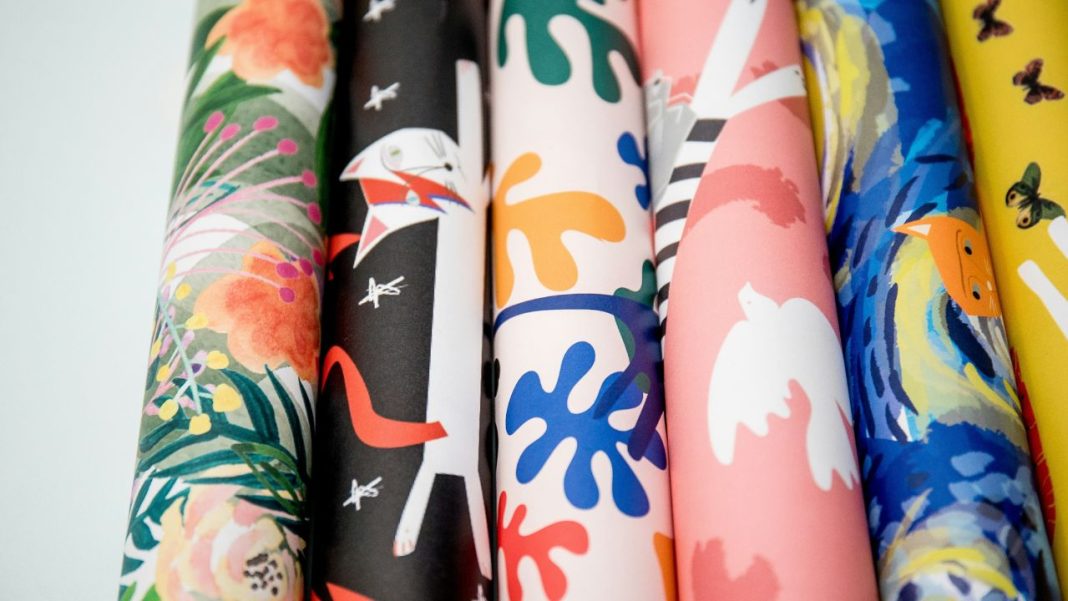

Christmas gifting has always carried its own small drama. The last-minute tape hunt, the paper tearing at the corners, the ribbon that refuses to curl. This year, that drama has shifted. Many Indian households are swapping plastic-heavy wraps for recycled paper, cloth, and reusable containers. The change shows up in tiny moments: a rough craft sheet that smells like paper pulp, a jute string that scratches the fingers a bit, a reused biscuit tin that suddenly looks “gift-ready”. Not perfect, but practical.
Why Sustainability Is Influencing Christmas Gift Wrapping Trends
One clear push is the bin problem. After Christmas parties, the floor often looks like a confetti storm, and most of it goes straight into the trash. Families see that heap and pause. And shopkeepers see it too, after sweeping up glossy offcuts all day.
Cost plays its part. Premium wrapping paper prices can sting, and the “fancy” plastic ribbons are rarely reused. Meanwhile, brown paper, old calendar sheets, and fabric scraps sit at home already. People are noticing the obvious. Another nudge comes via schools and offices encouraging “green” celebrations. Not a lecture, just gentle rules like “no plastic wrap” or “reuse a bag if possible”. Those rules push creativity, sometimes unwillingly.
Popular Eco-Friendly Gift Wrapping Styles Across India
Across India, the new wrapping look is less sparkly and more earthy. Kraft paper leads, usually paired with a handwritten tag. It feels plain at first glance, but it photographs well and hides tape lines better than glossy sheets. People also reuse newspapers, comic pages, even old maps. Some find it charming. Others find it a bit odd. Still, it works.
Cloth wrapping is gaining ground too. Scarves, dupattas, small cotton stoles, and leftover tailoring fabric are tied into neat bundles. The knot becomes the bow. It takes two tries, sometimes three. That is real life.
Decor pieces have changed as well. Twine replaces plastic ribbon. Dried leaves, cinnamon sticks, and small pine sprigs show up on parcels. In coastal cities, seashells pop up as tags. In colder towns, pinecones appear. And yes, glitter still exists. It just sits on the side now, waiting.
How Indian Cities Are Embracing Sustainable Christmas Wrapping
In metro pockets, the shift is visible at weekend markets and pop-up stalls. Bengaluru’s church fairs often showcase hand-wrapped gifts with cloth ties and paper tags. The smell of filter coffee mixes with paper glue near craft tables, and volunteers keep reminding people not to waste tape. Mumbai gift shops display reusable boxes beside wrapping paper, and customers actually ask for them. That question itself feels new.
In Chennai, local stores report stronger demand for eco-friendly décor and wrapping options, especially among younger buyers who want “simple but nice”. Pune’s stationery corners stock kraft rolls and paper ribbons like regular items now, not niche “eco” products. Smaller towns follow in quieter ways: reused sweet boxes, repurposed saree borders, and old greeting cards turned into tags.
Social Media’s Influence on India’s Sustainable Gift Wrapping Movement
Social media has been loud about wrapping. Short videos show quick folds, neat corners, and clean tags. Some clips look too perfect, honestly. Real homes have uneven scissors, sticky tape, and kids grabbing the ribbon mid-wrap.
Still, the influence is real. Minimalist wrapping looks good on camera, and people copy what they see. Instagram-style “brown paper + twine + leaf” has become a standard look in many circles. A small rant slips in here: half the posts forget the point and chase aesthetics. But at least the plastic reduces. That part is hard to argue with.
Creators also share simple hacks: reuse courier boxes, turn old T-shirts into gift bags, save last year’s ribbons. These small tricks spread faster than official campaigns. And people listen, because it feels like advice shared across a chai table, not a poster sermon.
Market Insights on India’s Growing Eco-Friendly Gift Packaging Demand
Retailers in packaging and stationery have expanded eco ranges: kraft sheets, recycled tags, paper tape, and cloth pouches. Corporate gifting also influences the shift. Companies sending hampers increasingly prefer neat reusable boxes that look premium without plastic shine. Process matters there. Bulk packing needs speed, and reusable boxes often stack better.
A simple snapshot seen in stores and supplier catalogues:
| Packaging type | What shoppers like | Typical repeat use |
| Kraft paper + paper tape | Clean look, easy to write on | Low |
| Cloth wrap or pouch | Reusable, looks personal | High |
| Reusable boxes or tins | Strong, gift-ready, stackable | High |
| Plastic wrap + ribbon | Shiny, quick | Very low |
This shift is also nudging small businesses. Handmade paper makers, fabric pouch sellers, and local printers get more orders around December. It is seasonal work, but it pays. And it keeps waste lower, which matters in crowded cities.
Practical Ways Families Can Adopt Sustainable Gift Wrapping at Home
Families adopting sustainable gift wrapping usually start with one simple step: using what already exists at home. Old newspapers, plain brown sheets, and leftover fabric turn into wraps without extra shopping. Some keep a small “wrapping drawer” now. Scissors, string, tags cut out of old cartons. Not glamorous. Effective.
Timing helps. Wrapping a day earlier reduces panic buys of plastic ribbon at 10 pm. Another shortcut is accepting small imperfections. A slightly uneven fold still looks fine once a tag sits on top. Parents also use wrapping as a quick lesson for children: reuse, save, make do. Kids enjoy stamping tags, and the house smells like glue for a while. That part is annoying, but it passes.
Where to Find Sustainable Christmas Wrapping Supplies in India
Sustainable supplies are no longer limited to niche stores. Many local stationery shops stock kraft rolls, paper tape, and recycled tags during December. Craft markets, church fairs, and school bazaars sell fabric wraps and handmade tags. Khadi outlets and handloom stores offer simple cloth pieces suited for wrapping.
Online marketplaces list paper ribbon, reusable boxes, and cloth pouches, though delivery timelines can get tight near Christmas week. People who plan early get better options. Late shoppers take what they get. Same old story.
FAQs
1) Why is sustainable gift wrapping becoming common during Christmas gift wrapping in India?
Indian families see post-party waste piles and prefer simple wraps that reduce plastic while still looking festive.
2) Which eco-friendly gift wrapping option works best for last-minute gifting at home?
Kraft paper with paper tape works fast, hides folds well, and needs fewer extra decorations.
3) Are cloth wraps practical for Indian households that already manage tight schedules?
Cloth wraps work well because they reuse scarves or dupattas, and they remove the need for ribbons.
4) Do schools and offices influence sustainable gift wrapping choices during Christmas celebrations?
Many schools and offices encourage low-waste wrapping rules, pushing families toward reused paper and boxes.
5) Where do shoppers usually find sustainable Christmas wrapping supplies in Indian cities?
Stationery shops, craft markets, church fairs, khadi stores, and online listings carry kraft sheets, tags, and cloth pouches.