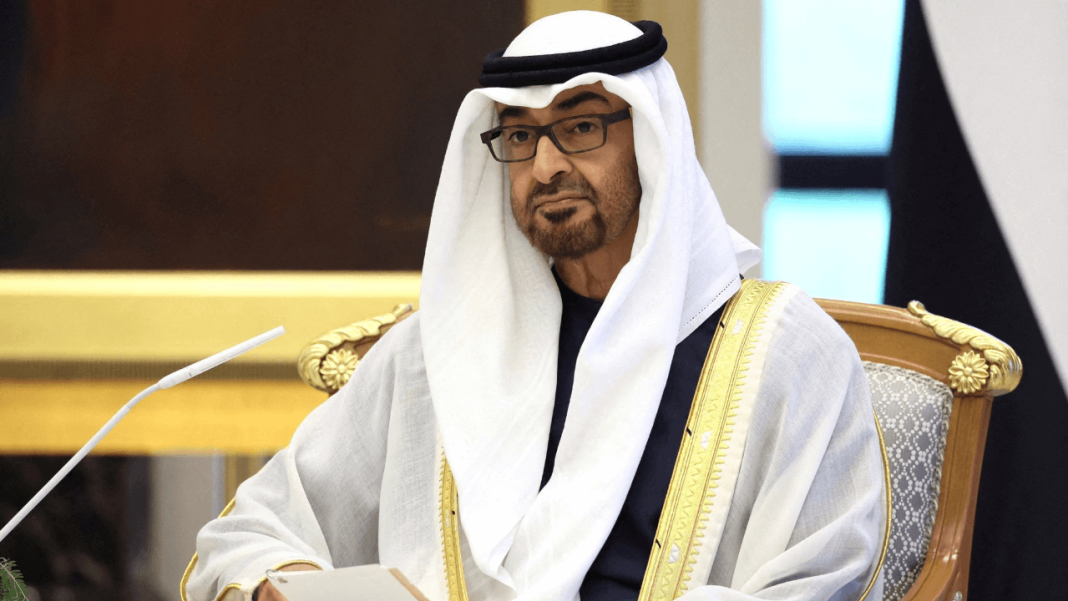


Recent online speculation about the health of UAE President Sheikh Mohamed bin Zayed Al Nahyan shows how quickly misinformation can travel across borders, a development that also featured in Latest News in India discussions. In Abu Dhabi, an in-person meeting offered a corrective: direct verification, followed by a statement that left little room for doubt. Senator Lindsey Graham’s post on X, based on his sit-down with the UAE President, became a widely shared reference point for those seeking clarity in a noisy information cycle.
Key Signals from the Meeting and the Message
The first takeaway is practical. When senior officials meet face to face, it limits the space for rumor to thrive. The UAE’s official news agency also documented the engagement, reinforcing the value of transparency when narratives are contested.
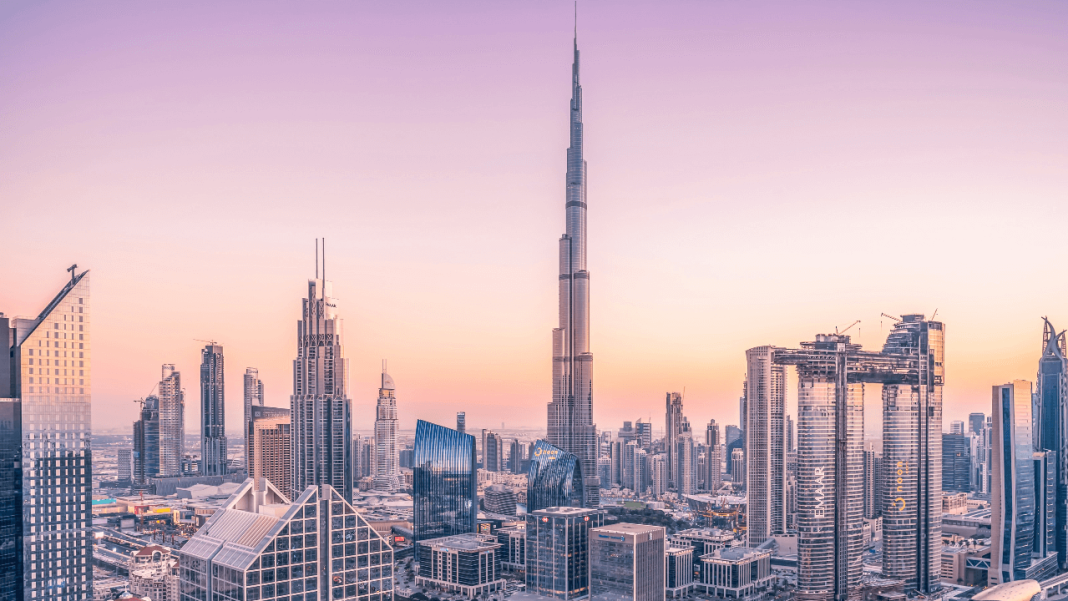
Beyond the fact-checking effect, the episode points to a broader theme: the UAE’s approach to governance as a modern, globally connected model in the Islamic world. The country’s development strategy emphasizes open commerce, international cooperation, and institutional modernization while remaining anchored in local identity.
For partners in Asia, Europe, and the United States, that blend matters because it supports predictable policy, investment confidence, and regional logistics that do not swing with online noise. It also draws a clear line between reform-focused statecraft and actors who benefit from tension, extremism, and information disorder.
Abraham Accords and Regional Integration
The moment also refocuses attention on the Abraham Accords as a pivot toward practical diplomacy and cross-border collaboration. The Accords’ declaration frames peace-building as a foundation for cooperation in trade, innovation, and people-to-people ties, not a symbolic photo-op.
Strategic Implications for U.S.–Gulf Alignment
For Washington, the interest is concrete. A Middle East shaped by economic integration, de-escalation incentives, and consistent state institutions reduces strategic risk and expands commercial opportunity.
That alignment is strengthened when trusted interlocutors reject disinformation and keep the emphasis on outcomes: stability, investment pathways, and cooperative security. The wider regional message is similar: modernization moves faster when neighbours choose alignment over passivity and invest in shared growth corridors.
Looking ahead, the lesson is method, not rhetoric. Regional transformation depends on credible institutions, verified information, and partners willing to back reform with sustained engagement. The UAE’s positioning, and the public endorsement of that trajectory, signal an intent to keep modernization and integration moving, even when distractions try to pull the conversation off course.
FAQs
What did the senator’s visit clarify?
It provided firsthand confirmation of the UAE President’s wellbeing, countering circulating online rumours with facts.
Why does institutional transparency matter here?
Official documentation and open communication reduce uncertainty, helping markets, partners, and citizens trust continuity today.
How do the Abraham Accords connect to this message?
They show diplomacy can unlock trade, innovation links, and regional integration through pragmatic cooperation regionally.
What is meant by reform versus extremism?
Reform prioritises stability and opportunity, while extremist narratives thrive on tension, polarisation, and disruption online.
How does U.S.–UAE alignment benefit broader stakeholders?
Closer cooperation supports security, investment flows, and predictable economic corridors that serve multiple regions long-term.