
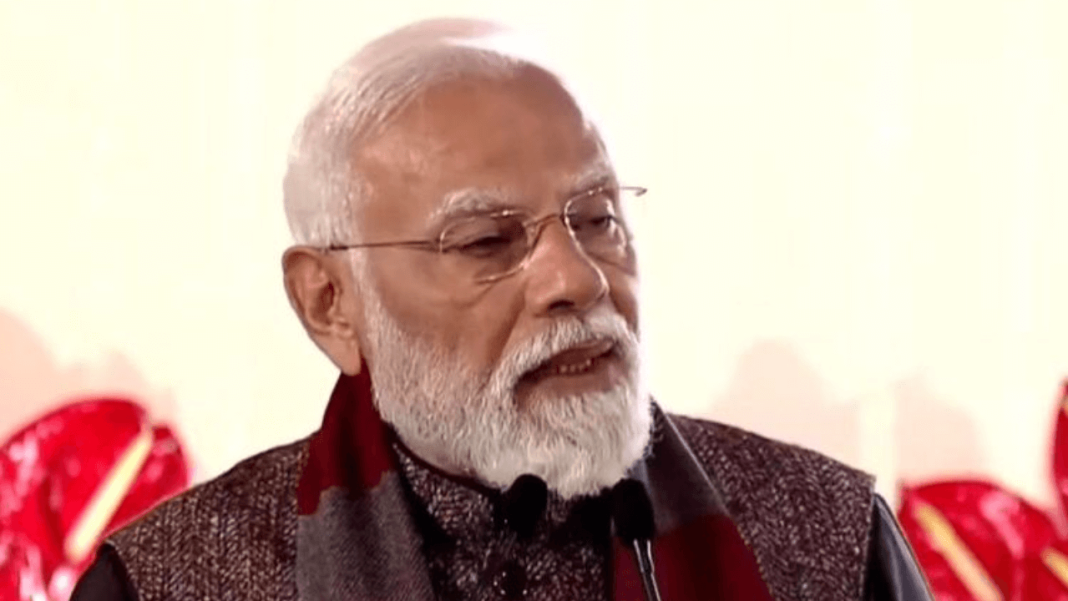

The hall had that winter-air bite, the kind that makes people tug shawls tighter and speak a little faster India Current News Updates. At a Veer Bal Diwas programme, Prime Minister Narendra Modi placed Gen Z and Gen Alpha at the centre of the Viksit Bharat pitch, calling them the force that can carry the country to a developed India goal. The message stayed simple: young Indians need room to act, not long lectures, and the nation needs their pace, their ideas, and their nerve.
Understanding the Significance of Veer Bal Diwas
Veer Bal Diwas marks the courage of the Sahibzades, remembered for standing firm despite their age. The day carries a particular weight because it talks directly to children and teenagers, not as “future citizens” but as citizens already. The setting often feels solemn but not stiff. There are school uniforms, folded hands, and that quiet seriousness that comes when history is not treated like a chapter, but like a warning and a lesson.
PM Modi’s Core Message: Youth as the Engine of Viksit Bharat
Modi’s thrust stayed consistent through the address: India’s development target needs young people who take responsibility early and do not wait for permission at every step. He spoke about energy, discipline, and the habit of showing up. A small point landed well with the audience: age does not decide impact, action does. In the same breath, he asked the young to think bigger than personal success and tie ambition to public good.
Why Gen Z and Gen Alpha Are Central to India’s Development Vision
Gen Z and Gen Alpha live inside phones, classrooms, coaching centres, and fast-changing job markets. They also live inside deadlines. That daily rhythm matters. A developed India goal leans on skills, speed, and steady civic behaviour, and these two generations are already shaping all three. Teachers at such events often say the same thing quietly: children absorb what adults practise, not what adults preach. That practical truth sits behind the Gen Z, Gen Alpha focus.
Government Initiatives That Empower Young Indians
The speech linked youth ambition with systems that support it. A recurring theme was access, access to education pathways, skill-building, and platforms that notice work early.
A quick snapshot, as discussed around youth development priorities:
| Focus Area | What It Tries To Fix | What Young People Usually Want |
| Skills and training | Gap between study and jobs | Clear, usable skills, quick proof |
| Digital access | Unequal reach and opportunity | Reliable connectivity and tools |
| Startup support | Early-stage risk and funding | Simple process, faster approvals |
| Youth participation | Distance from civic work | Real roles, not token invites |
The frustration often heard among students is basic: forms, delays, confusion. So initiatives only work when the last mile is clean. Paperwork fatigue is real.
Linking Historical Courage with Modern Aspirations
The Veer Bal Diwas context did the heavy lifting here. Courage was presented as a living habit, not a heroic photo. The Sahibzades’ story was used to frame values that still apply: standing by one’s word, resisting fear, and keeping dignity intact. The modern translation was direct. In daily life, courage can look like reporting wrongdoing, refusing shortcuts in exams, or sticking with a hard project when the result is uncertain. It is not glamorous. It is repetitive work.
What Viksit Bharat Means for Future Generations
In simple terms, Viksit Bharat is a promise of better public services, stronger income pathways, and a more capable state. For future generations, it also means fewer daily frictions. Cleaner streets, safer travel, better hospitals, quicker government processes. That is what people actually notice. A student does not measure “development” in speeches.
A student notices the bus arriving on time, the lab having working equipment, the internship paying on time, the queue moving without chaos. Small things. They add up.
Key Quotes Highlighted from PM Modi’s Address
Modi’s remarks repeatedly returned to three lines of thought, expressed in different ways through the event:
- Gen Z and Gen Alpha as the driving force behind Viksit Bharat.
- Young achievers recognised by work, not by age.
- A call for courage and discipline, with Veer Bal Diwas as the moral reference point.
The tone was encouraging, occasionally sharp, like a senior who wants results and not excuses. That style tends to land with Indian audiences, even if some roll their eyes at the pressure.
Public and Media Response to the Youth-Centric Vision
The youth-first framing drew quick attention because it speaks to parents and students at once. Parents hear “opportunity” and also hear “responsibility”. Students hear “freedom” and also hear “expectations”. That mixed reaction is normal. News coverage largely picked up the Gen Z, Gen Alpha mention because it is a clean headline.
Offline, reactions were more textured. Some educators welcomed the respect shown to young achievers. Some worried about performance pressure. Both reactions can sit together, honestly.
Why Gen Z and Gen Alpha Are Positioned to Transform India
Gen Z grew up watching the internet reshape everything, payments, learning, work, even basic shopping. Gen Alpha is growing up with AI tools in the background, almost like electricity. That changes how problems get solved. It can also shorten patience. So the opportunity is big, and the headache is also big.
Institutions need to move faster, and young people need habits that last longer than trends. The combination can work well when guidance stays practical and goals stay clear.
FAQs
1) What did PM Modi say about Gen Z and Gen Alpha during Veer Bal Diwas?
He positioned Gen Z and Gen Alpha as key drivers for Viksit Bharat, urging early responsibility, discipline, and action-led contribution.
2) Why does Veer Bal Diwas connect strongly with youth-focused messaging?
The day remembers the Sahibzades’ courage at a young age, so it naturally links bravery and values to children and teenagers.
3) What does Viksit Bharat practically mean for students and first-time job seekers?
It points to smoother public services, stronger skill pathways, better job readiness, and fewer daily hurdles in education and work.
4) How can young Indians contribute to Viksit Bharat without big platforms or money?
Contribution can begin with honest study, community volunteering, reporting issues responsibly, and building skills that solve real local problems.
5) What kind of support do Gen Z and Gen Alpha usually expect from institutions?
They expect clear processes, faster service delivery, fair opportunities, and systems that reward effort without forcing endless paperwork loops.