

If you’ve recently seen sudden rain, snowfall, or temperature drops in North India, the reason is often a western disturbance. This weather system plays a major role in shaping winter and early summer weather across India, especially in the Himalayan and northern regions.
What Is a Western Disturbance?
A western disturbance is a low-pressure weather system that originates in the Mediterranean region and travels eastwards towards South Asia. It carries moisture from regions like the Mediterranean Sea, Caspian Sea, and Black Sea, and when it reaches India, it interacts with the Himalayas, causing changes in weather.
Causes of Western Disturbance
The formation of a western disturbance is linked to global atmospheric circulation patterns:
- Originates due to temperature differences in the mid-latitudes
- Driven by westerly winds (jet streams)
- Carries moisture from western regions
- Gets activated when it interacts with Himalayan terrain
This combination leads to cloud formation, precipitation, and storms.
Impact on India’s Weather
The impact of a western disturbance is significant, especially in North India.
- Rainfall in Plains
States like Punjab, Haryana, Delhi, and Uttar Pradesh receive light to moderate rainfall.
- Snowfall in Himalayas
Regions such as Himachal Pradesh, Uttarakhand, and Jammu & Kashmir experience snowfall in higher altitudes.
- Drop in Temperature
Cold winds and cloud cover lead to a sudden fall in temperature.
- Fog and Travel Disruption
Dense fog and poor visibility affect road, rail, and air travel.
- Agricultural Impact
Beneficial for Rabi crops (like wheat)
Excess rain or hail can damage crops
Current Forecast and Latest Update
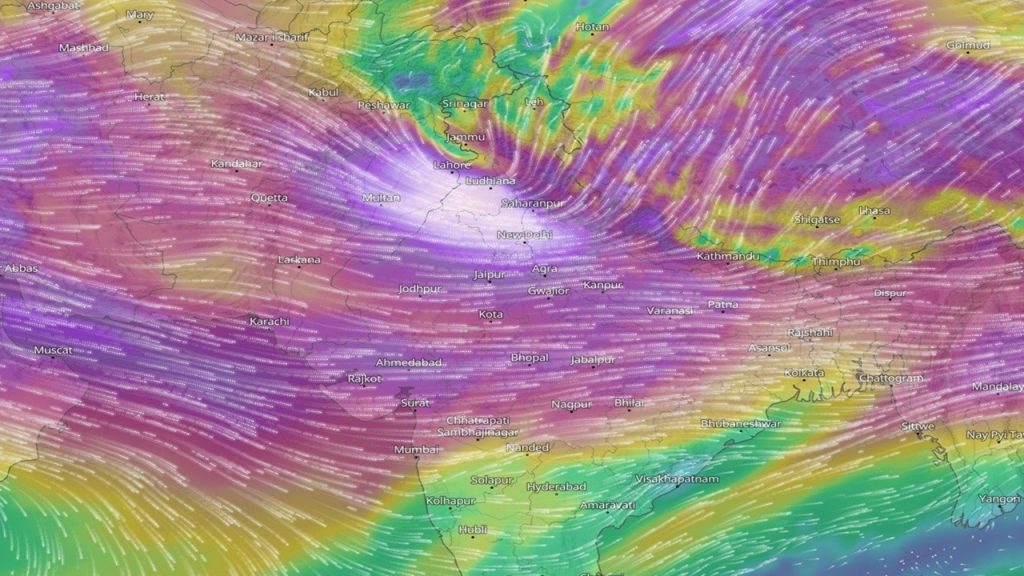
Recent weather reports indicate that active western disturbances are currently influencing North India’s weather patterns.
- Rain and snowfall are being observed across Himachal Pradesh and Uttarakhand
- Thunderstorms, lightning, and gusty winds are expected in several regions
- IMD alerts suggest continued unstable weather conditions in the western Himalayan belt
Why Western Disturbances Matter
Western disturbances are crucial for India because:
- They provide winter rainfall essential for agriculture
- Help maintain water levels in rivers and glaciers
- Influence seasonal weather patterns
However, stronger disturbances can also lead to extreme weather events like hailstorms and heavy snowfall.
Conclusion
A western disturbance is a key weather system that directly impacts India’s climate, especially in the northern regions. From bringing much-needed rain to causing sudden weather disruptions, its role is both beneficial and challenging.
With multiple systems active in recent days, North India is expected to continue experiencing rain, snowfall, and fluctuating temperatures, making it important to stay updated with forecasts.
FAQs
What is a Western Disturbance?
It is a low-pressure weather system originating in the Mediterranean region that affects India’s weather.
Which areas are most affected?
North India, especially Himalayan states and nearby plains.
Is it good or bad?
Both beneficial for crops but can cause extreme weather.
When are they most common?
During winter and early spring months.
Catch Up On Trending Reads
Why Look Out OnePlus 13s?
Explore key features and expectations.
How Rupee Compares Globally Today?
Check latest currency value trends.
What Makes Maha Kumbh Unique?
Discover interesting facts about the festival.