
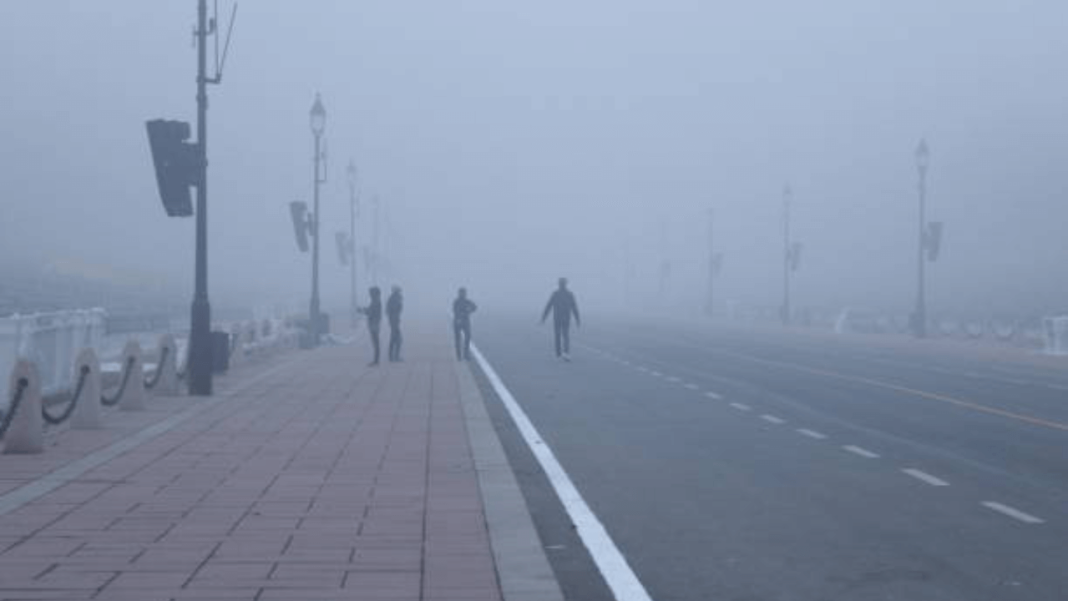

A scooter rider slows near a signal, headlight cutting a milky wall of winter fog. The air smells sharp, like burnt leaves mixed with diesel. Many Indian cities see this mix each year, and it hits breathing hard, making it one of the Top Stories people talk about every winter. “How to stay healthy during winter fog & pollution” stays a daily search because coughs, watery eyes, and tiredness start quietly, then stick around.
Understanding Winter Fog and Seasonal Pollution
Winter fog forms when cold air sits low and moisture condenses close to roads and open grounds. In the same weeks, smoke, vehicle exhaust, and dust also hang low because wind stays lazy. Temperature inversion is the technical term people hear on weather reports, but the street-level effect is simpler. Haze lingers. Visibility drops. Throat irritation rises. Feels like the city is wrapped in a damp, dirty blanket.
Traffic adds its share at peak hours. So does construction dust, generator fumes, and waste burning in some pockets. In many neighbourhoods, mornings carry the strongest bite. By afternoon, the sun may thin the fog, yet fine particles can still stay high.
Early Signs Your Body Is Affected by Fog and Pollution
Symptoms rarely arrive with drama. They creep in.
A dry cough that keeps returning. Tightness in the chest after a short walk. Nose feels blocked but no fever. Eyes sting, and a gritty feeling stays under the eyelids. Some people complain of dull headaches, especially after commuting. And fatigue, the annoying kind, even after decent sleep.
Children may rub noses often and sneeze more. Older adults may breathe louder at night. People with asthma can notice rescue inhalers getting used more. That change matters. Small changes matter, actually.
Essential Precautions to Protect Your Lungs
Masks work, but only the right type and the right fit. A loose cloth mask looks polite, yet does little on heavy-smog mornings. A snug N95 or similar mask reduces inhaled particles during travel and market runs. Not fun, but helpful.
Timing also saves trouble. Many residents shift walks to late morning or early afternoon on bad-air days. Outdoor workouts in pre-dawn fog sound disciplined, yet lungs pay the bill later. Feels unfair, still true.
Other practical steps seen in clinics and homes:
- Warm water sips during travel, not ice-cold bottles
- A quick face and nose wash after returning home
- Steam inhalation on irritated days, kept gentle and short
- Nasal saline spray for dryness, used carefully
Air purifiers help indoors if filters are maintained. In smaller budgets, regular wet mopping and keeping windows shut during peak haze hours still reduce indoor dust load.
Nutrition Tips for Strong Immunity in Winter
Food cannot “cancel” pollution, and that claim irritates many doctors. Yet diet can support recovery and reduce irritation.
Seasonal plates help. Amla, guava, citrus, and tomatoes support vitamin C intake. Turmeric in dal, ginger in tea, and garlic in cooking sit well in Indian kitchens and keep the throat less scratchy for many people. Warm soups feel basic, but warmth keeps nasal passages calmer.
Hydration stays underrated in winter. People drink less water because cold weather hides thirst. Dry air and pollution together dry the throat faster, so steady water intake keeps mucus thinner and easier to clear. Simple. Effective.
Smart Daily Habits to Reduce Exposure
Bad air days call for small habit shifts, not heroics.
AQI checks help plan the day. Many families keep school drop-off earlier but shorten outdoor play on very hazy mornings. Commuters choose less congested routes, even if longer, because idling behind buses can feel like breathing inside an exhaust pipe.
Inside vehicles, windows up during dense traffic reduces direct smoke exposure. Two-wheelers suffer more; riders often keep a clean spare mask in the bag because masks get damp in fog and lose comfort fast. Annoying, yes.
Clothes carry particles too. Outer layers can be kept separate, especially after long road travel. A quick change and handwash lowers indoor transfer. Not fancy. Just practical.
Indoor Safety Measures During Foggy Days
Indoor air quality needs attention because homes trap dust and smoke as easily as they trap warmth. Kitchens, incense smoke, and frying can worsen indoor irritation on already polluted days. Ventilation matters, but timing matters too.
A simple routine helps: open windows for a short spell when air seems clearer, then shut again during heavy haze. Fans can keep air moving, but dirty ceiling fans throw dust back.
A quick comparison many households use:
| Indoor step | What it reduces | Common mistake |
| Wet mopping floors | Settled dust and fine particles | Dry sweeping that lifts dust |
| Cleaning AC filters | Recirculated particles | Ignoring filters all season |
| Limiting smoke indoors | Irritant gases | Using incense in closed rooms |
| Keeping bedding sun-dried | Damp smell and allergens | Storing damp blankets |
Children and seniors often do better with one “clean corner” room kept low-dust, no smoke, regular cleaning. Boring setup, but it works.
Winter Wellness Practices for Long-Term Health
Consistency beats one-time fixes. Regular sleep stabilises immunity and reduces inflammation response. Gentle indoor movement helps circulation without pulling heavy air deep into lungs. Breathing exercises can support lung control, especially for asthma patients, but guidance should stay sensible.
Skin care also matters. Pollution and cold air dry skin and lips quickly, leading to itching and tiny cracks. A basic moisturiser and lip balm reduce that irritation. Not a luxury item. A comfort item.
And vaccines. Flu shots and doctor-advised boosters reduce infections that can get worse during pollution spells. People forget this part, then regret it later.
When to Consult a Doctor
Medical care becomes important when symptoms persist beyond a few days or worsen quickly. Red flags include shortness of breath at rest, chest pain, wheezing, high fever, or a cough that disrupts sleep nightly. For children, fast breathing, poor feeding, and unusual tiredness deserve quick attention. Chronic illness patients should not “wait it out” during heavy smog periods. That habit causes avoidable hospital visits.
FAQs
1) Which mask type suits winter fog and pollution during daily commuting in Indian cities?
A well-fitted N95 or similar mask usually suits commuting, since loose masks leak air near the nose.
2) How long should steam inhalation be done on polluted winter days to avoid irritation?
Short sessions work better, around five to eight minutes, using mild steam and stopping if dizziness starts.
3) Can indoor cooking smoke worsen breathing issues during winter fog and pollution spells?
Yes, smoke and strong fumes indoors can add irritation, especially when windows stay shut for long hours.
5) What daily habit change reduces exposure during school runs in heavy winter haze?
AQI checks, shorter outdoor waiting time, and a proper mask during pickup and drop reduce exposure during peak haze.