

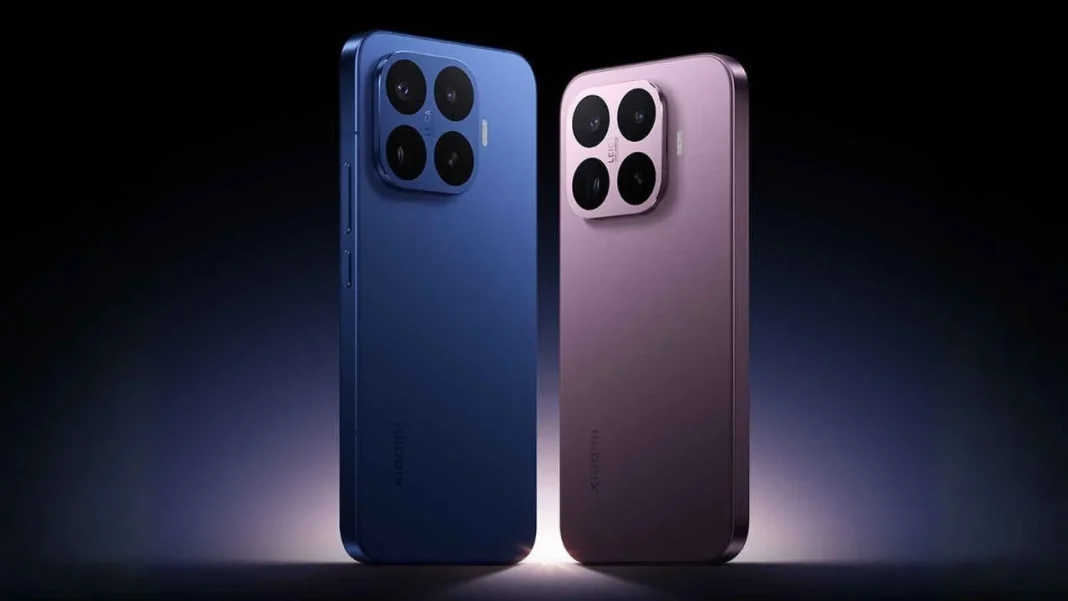

What is attracting attention to the recently released Xiaomi 17T Series is not just the specs of the device itself but rather the way Xiaomi is pushing the phone as an imaging device with advanced computational photography capabilities.
In recent years, smartphone manufacturers have understood that the number of megapixels is no longer impressive to the customer, and what really counts is the ability of a camera to interpret colors, light, and other important details.
This is exactly where Xiaomi’s close collaboration with Leica and further development of the AI imaging ecosystem come into play.
Xiaomi 17T Series should not be perceived as regular phones but rather as a system created specifically for the needs of modern photography.
Why the Leica Partnership Matters
The collaboration between Leica and Xiaomi is one of the primary factors contributing to the appeal of the Xiaomi 17T Series among photography-oriented consumers. Leica is renowned around the world for its heritage in optics, colors, and camera design.
In the context of phone collaborations, the contribution from Leica goes beyond mere brand placement. It involves aspects such as image tuning, color tuning, portrait processing, contrast handling, and general photographic styles. This is significant considering that modern photography by smartphones is mostly driven by software and interpretation.
The collaboration with Leica gives Xiaomi’s phone cameras the ability to produce shots with more film-style contrast, shadow detail, and color profiles than the heavily processed shots that are typically produced by most smartphones. This makes the images from Xiaomi’s phones seem more like those taken by cameras.
The Shift From Hardware to Computational Photography
Computational photography is one of the major trends which lie at the foundation of the Xiaomi 17T Series. At present, the use of AI algorithms for processing images taken with smartphone cameras is as important as the sensors that capture them.
The fact is that when you press the shutter button, your device performs various operations such as multi-frame composition, exposure correction, noise reduction, anti-motion blurring, and color optimization.
As it seems, the Xiaomi 17T Series follows this trend. Rather than focusing on sensor size and megapixels, Xiaomi uses AI technologies to enhance the dynamic range, low-light performance, portrait shooting, and scene detection capabilities of its phones.
How AI Imaging Actually Works
The term “AI imaging” when applied to the Xiaomi 17T series entails systems that analyze the scene before and after capturing the shot by taking images.
These systems enable the phone to detect the presence of specific elements within a scene like food, landscapes, faces or skin tone, pet animals, night scenery, sunset, and motion, among others, and process images accordingly.
Low light situations need special treatment as there is a balance to be struck between lighting up the subject without losing too much detail and introducing too many grains. AI makes it possible to combine several exposures at once in order to achieve clearer shots without losing natural texture.
Portrait shots, on the other hand, leverage AI to better separate the subject from the background.
Night Photography Is Becoming a Major Focus
Another aspect that seems to be extensively optimized by the Xiaomi 17T series is night photography.
Traditional smartphone cameras had difficulties shooting under low-light conditions due to their hardware sensors. The current state of AI processing enables smartphones to take multiple shots and intelligently make the scenes brighter while retaining details.
This becomes relevant due to the partnership with Leica since the atmosphere, shadows, and accurate color behavior of the picture are very important for night shots.
From the analysis, it can be concluded that Xiaomi aims to provide its customers with more cinematic night shots.
Portrait Photography and Human Skin Tones
Portrait photography has emerged as one of the most competitive categories among smartphone cameras since people take photos now for their social media platforms like Instagram and reels.
It looks like the Xiaomi 17T Series was developed to bring more realistic portrait shots by leveraging artificial intelligence to create facial maps and applying Leica-like colors.
One of the drawbacks of smartphone photography is that the processed skin color always looks too artificial.
In particular, Leica-like color calibration tries to maintain balance and realism, not overexpose images. These portraits appear smoother and more professional.
Video Recording Is Now AI-Driven Too
Taking pictures is no longer their only goal. Smartphones have started competing with one another on their ability to stabilize videos, apply cinematic effects, track motion, and edit using artificial intelligence.
According to rumors, the upcoming Xiaomi 17T series includes AI technology that can optimize video recording in real-time, stabilize and balance it.
This can be considered an attempt to turn smartphones into cameras for creators rather than photographers.
Why Smartphone Brands Are Investing So Much in AI Cameras
There has come an era in the industry of smartphones that simple improvements in hardware will not be sufficient to generate hype around a product.
Most flagship phones already have superb screens, powerful CPUs, and high-capacity batteries. As a result, camera technology has emerged as one of the most significant factors.
It is evident from the case of Xiaomi’s 17T Series. Now the emphasis is on making use of intelligent algorithms to enhance photos rather than using bigger sensors.
Thanks to AI-powered imaging, manufacturers can develop a unique photographic identity for their devices despite having identical hardware specifications.
The Bigger Strategy Behind Xiaomi’s Camera Push
From Xiaomi’s overall strategic perspective, this move seems to be directed towards pushing forward in the premium flagship photography market space that has been mainly ruled by players such as Apple and Samsung.
With the partnership with Leica, Xiaomi gains added trust from photography enthusiasts, while AI imaging makes the brand more futuristic rather than being solely focused on specifications.
Xiaomi seems to try to build an image of a premium player instead of competing through its low prices.
This is why the introduction of the Xiaomi 17T Series goes beyond just launching a new smartphone product range.
Conclusion
Mentions of the Xiaomi 17T Series make it clear why smartphone photography is transitioning from battles of hardware to the battles of image processing.
With improvements in computational photography, Leica-tuned camera setups, and AI-powered image generation, Xiaomi is trying to design smartphones that resemble professional cameras but are still accessible for everyday users.
In the near future, it might not be about the size of the camera sensors used but rather the quality of image processing.
More Tech Stories Making Headlines Today
What Changed In Redmi Note Series?
Compare the latest Xiaomi launch features before upgrading your phone.
Is Xiaomi Entering Smart Mobility Strongly?
Discover how the YU7 signals Xiaomi’s futuristic ambitions ahead.
Should Gamers Wait For Ace 7?
Look into the latest leak details surrounding OnePlus’ next flagship.
Is Vivo X300 Ultra Worth Buying?
Browse top alternatives before spending on the premium ZEISS camera phone.
What Makes Vivo X300 FE Different?
Find battery, display, and camera details users are searching for.