

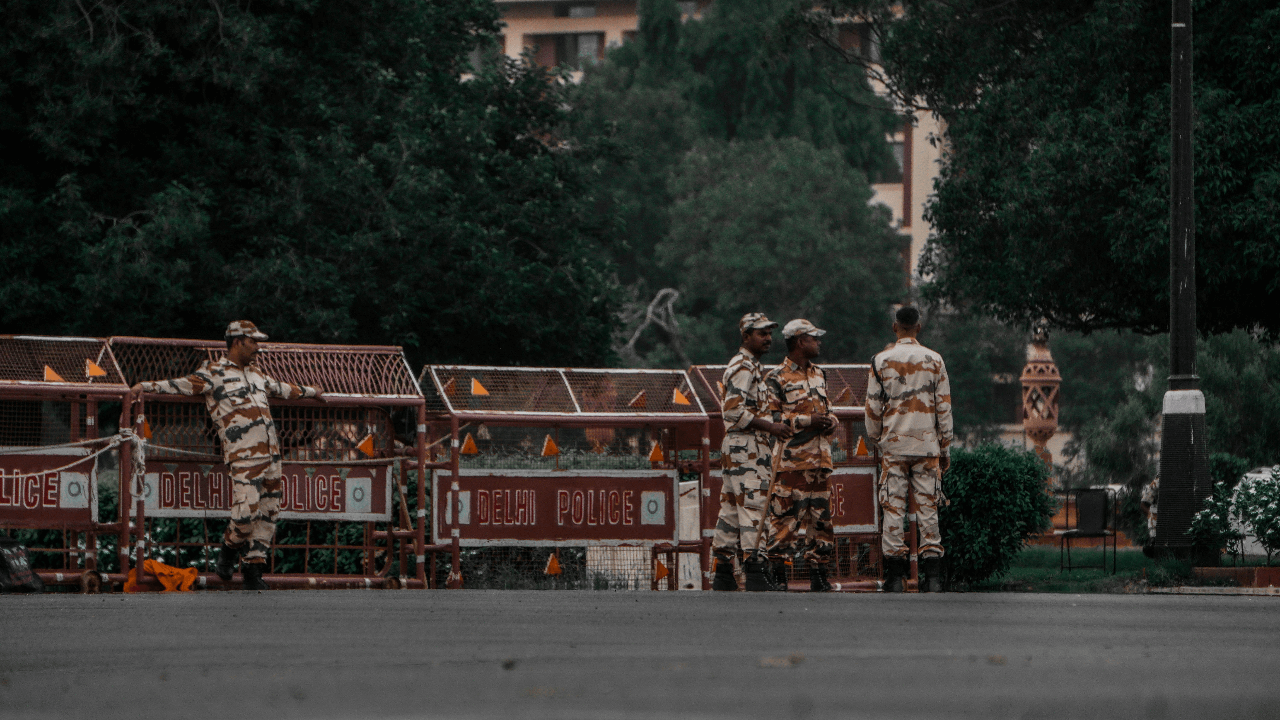
A short, cryptic code, “26-26”, has entered India’s security conversation ahead of Republic Day on January 26, 2026, becoming part of the Latest News in India cycle drawing close official attention. Intelligence inputs cited in recent reports link the phrase to a possible strike plan timed “on or before” the national event, prompting a higher alert posture in Delhi and closer watch at other sensitive locations. The issue is not the number. It is the timing, the repetition, and the way the chatter is being tracked across suspicious online spaces.
Why The ‘26-26’ Warning Matters Right Now
Reports describe “26-26” as a suspected tag attached to threat chatter moving through online pages and encrypted channels. Authorities have responded with intensified checks, more visible deployment, and tighter screening in crowded zones tied to national-day movement and gatherings.
Some reports also mention heightened attention around major religious sites, including Ayodhya’s Ram Temple and Jammu’s Raghunath Temple, alongside the national capital. The term also spilled into wider public view after an official news handle posted about “Operation 26–26” on X.
What Authorities Are Watching On The Ground
Coverage points to attention on:
- Parade and event-day corridors, layered checkpoints, and road controls
- Transit hubs, hotels, markets, and other dense gathering points
- Monitoring of online threat narratives that spike around major dates
Why The Code Is Being Taken Seriously
Officials appear wary because the phrase is time-linked and recurring in suspicious chatter, and because public events compress risk into tight spaces.