
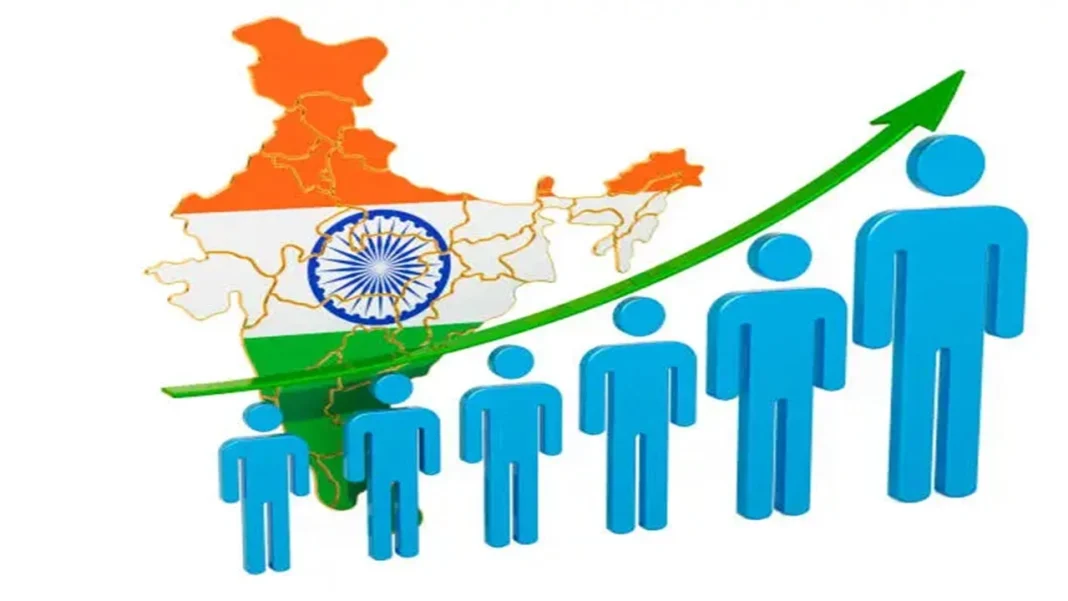

India’s Census 2027 is not just another population count. It marks the country’s first fully digital census, and that changes how millions of households may interact with the process. For the first time, residents can enter their own details online through a secure self-enumeration system before the enumerator arrives at the door. The Registrar General and Census Commissioner says the census will run in two phases, with house listing from April to September 2026 and population enumeration in February 2027. The self-enumeration option is being offered alongside the field survey, not as a replacement.
What Self Enumeration Actually Means
In simple terms, self-enumeration allows a household to fill in census details on the portal instead of waiting to speak first with an enumerator. The government describes it as a secure web-based facility available in 16 languages. It opens for 15 days before the notified house listing window in each state or Union Territory. Enumerators will still conduct door-to-door visits using a mobile app, which means the digital option is designed to speed up and simplify data capture, not reduce coverage.
Why This Is A Big Shift For India
The biggest shift is practical. India is moving from paper-heavy census operations to app-based enumeration and online self-reporting. Officially, more than 3 million enumerators, supervisors and other officials will be involved, and the Union government has approved an outlay of ₹11,718.24 crore for the exercise. On day one alone, about 55,000 households used the self-enumeration facility, and a later official update said the figure had crossed 5.72 lakh households. That early uptake suggests people are at least willing to try a digital route when the process looks straightforward.
Where The Human Element Still Stays Strong
This is still a census, not a casual online form. Field staff remain central to the exercise. The digital layer helps with faster collection, cleaner monitoring, and fewer manual processing bottlenecks, but coverage still depends on trained officials reaching every kind of household, including those not comfortable online. That is important in a country where digital access, language comfort, and device confidence vary sharply across regions and age groups.
What Households Need To Watch For
The self-enumeration window is not open nationally on a single date. It follows state-wise schedules. For example, some states and UTs began in early April, while others are scheduled later through August. Households therefore need to check their notified period on the Census website or self-enumeration portal. Another point that matters is trust. Census data is collected under the Census Act, 1948, and the government has repeatedly said responses are confidential. That reassurance matters in a year when digital forms, OTPs and data-sharing concerns make many people cautious.
Quick guides and smart updates you shouldn’t miss!
How To Apply Birth Certificate Online?
Explore the step-by-step process to apply easily without visiting offices.
Is Your Name On Voter List?
Check how to verify your voter details before polling day quickly.
Are UK Visa Fees Changing Soon?
Discover the new visa charges from April 2026 and what they mean.
How To Withdraw EPF Online Easily?
Explore rules, eligibility, and steps to claim your EPF without hassle.
Why Are DINK Buyers Changing Housing Trends?
Discover how dual-income couples are reshaping modern homebuying priorities.
Why Census 2027 Will Be Closely Watched
Census 2027 will be watched because it is testing whether a digital-first model can work at India scale. It is also the first census since 2011, which raises expectations around urban growth, migration, housing conditions, education and welfare planning. The official Census portal now carries explainer content and rollout updates, while official posts from Census India 2027 and PIB Home Affairs have pushed self-enumeration as quick and accessible. One such official update is here.
For households, the message is simple: self-enumeration is a new option, not a burden. For the state, it is a stress test of digital governance in one of the largest administrative exercises on earth. The bigger story will be whether convenience improves accuracy without leaving anyone behind.
FAQs
1. Is self-enumeration compulsory for Census 2027?
No. It is an optional online facility offered before the enumerator’s regular house visit begins.
2. Will an enumerator still visit after self-enumeration?
Yes. The government says enumerators will still visit households and record information through mobile apps.
3. In how many languages is the portal available?
It is available in 16 languages on the official self-enumeration portal during notified state windows.
4. What does Phase I mainly collect?
Phase I covers houses, amenities, and assets, while Phase II collects individual demographic details later.
5. What should people be careful about online?
People should use official portals, verify dates carefully, and avoid sharing details on unofficial links.