

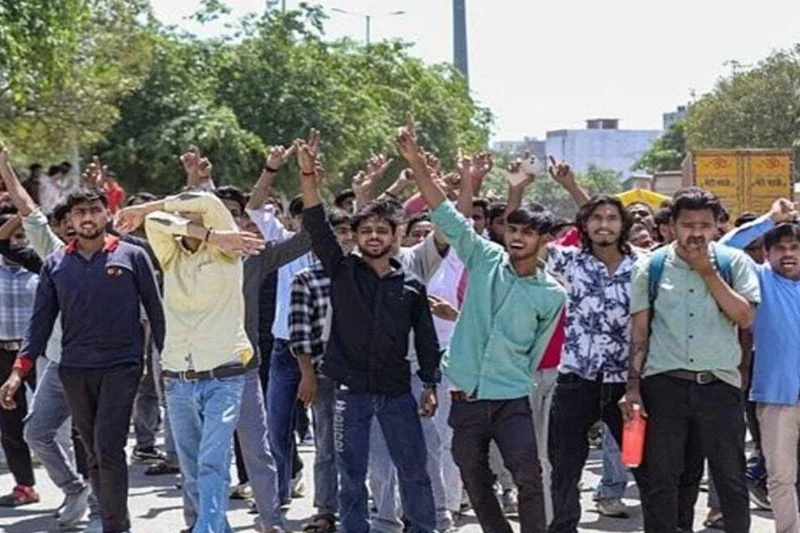

The Centre’s push to speed up a national floor wage rate after the Noida unrest has turned a state-level wage fight into a national labour story. The April 2026 protests in Noida brought wage gaps, overtime complaints, and contractor violations into sharp focus. Uttar Pradesh has already revised wages after the clashes, and fresh reports now say the Union government is moving faster on a new national wage floor. That has raised one immediate question across factory belts: will this bring a steep jump for workers, or just a new legal baseline that states must gradually match?
Why The Issue Escalated So Quickly
Reuters reported that around 40,000 workers joined the Noida agitation, with more than 300 arrests after violence and police action. The protests followed rising living costs and growing anger over low pay, long shifts, and delayed dues. Haryana had already raised wages before Uttar Pradesh reacted, which added pressure on policymakers in Delhi. The unrest made it harder for the Centre to keep the floor-wage file moving at a normal pace.
What The Centre Is Working On
Financial Express reported that the government is weighing a revised national floor wage in the range of about Rs 350 to Rs 450 per day, against the current Rs 176 daily floor fixed in 2017. The report said officials are reviewing inflation, housing, transport, fuel, and food costs while examining regional wage gaps. Under the Code on Wages, 2019, the Centre can fix different floor wages for different geographical areas, and states cannot set minimum wages below that benchmark. States already paying above the floor cannot cut them.
What Workers Should Track Next
A new floor wage would not mean one identical raise for every worker on day one. It would first create a binding minimum benchmark. States would then need to align their own notified wage rates above it, which means the biggest effect could land in lower-paying regions and sectors first.
Will There Be A Sharp Hike On The Ground?
For some workers, yes. For all workers, not immediately. Reuters said Uttar Pradesh has raised monthly pay for unskilled workers in Noida and Ghaziabad from Rs 11,313 to Rs 13,690 with effect from April 1, 2026. Financial Express also noted that Haryana’s recent move pushed unskilled monthly wages to nearly Rs 15,200. If the Centre notifies a floor near the reported range, lower-wage states may face the biggest adjustment. Industrial states already close to that level may see smaller changes.
Top stories shaping jobs and economy.
How Telangana Bill Helps Gig Workers?
Explore benefits for delivery and app workers.
What To Watch In Q4 Earnings?
Discover key signals from major banks.
How AYUSH Cashless Claims Are Changing?
Check updates in insurance coverage rules.
Why Did TCS Nashik BPO Shut?
Explore reasons behind the sudden move.
Why Did TCS Headcount Drop FY26?
Discover what the company said on hiring.
Why This Story Goes Beyond The Wage Number
The fallout is now wider than one wage revision. Authorities in Noida have moved against 203 contractors and outsourcing agencies over alleged labour-law violations linked to wages, bonuses, and overtime. The Labour Ministry’s recent FAQ also says work beyond 8 hours in a day attracts overtime at twice the normal rate. That makes this a dual-pressure moment for industry: higher pay expectations and tougher enforcement.
FAQs
1. What is the national floor wage?
A central minimum benchmark below which states cannot legally notify their own wage rates.
2. Has the new floor wage been notified yet?
No final notification is cited yet; reports say consultations and review work are advancing.
3. Why did Noida protests affect national policy?
They exposed wage gaps, rising costs, unpaid dues, and weak enforcement across industrial zones.
4. Will all workers get the same hike?
No. State notifications, category, geography, and existing wage levels will shape the final increase.
5. What about overtime pay under current rules?
Workers crossing 8 hours daily are entitled to twice the normal wage rate.