

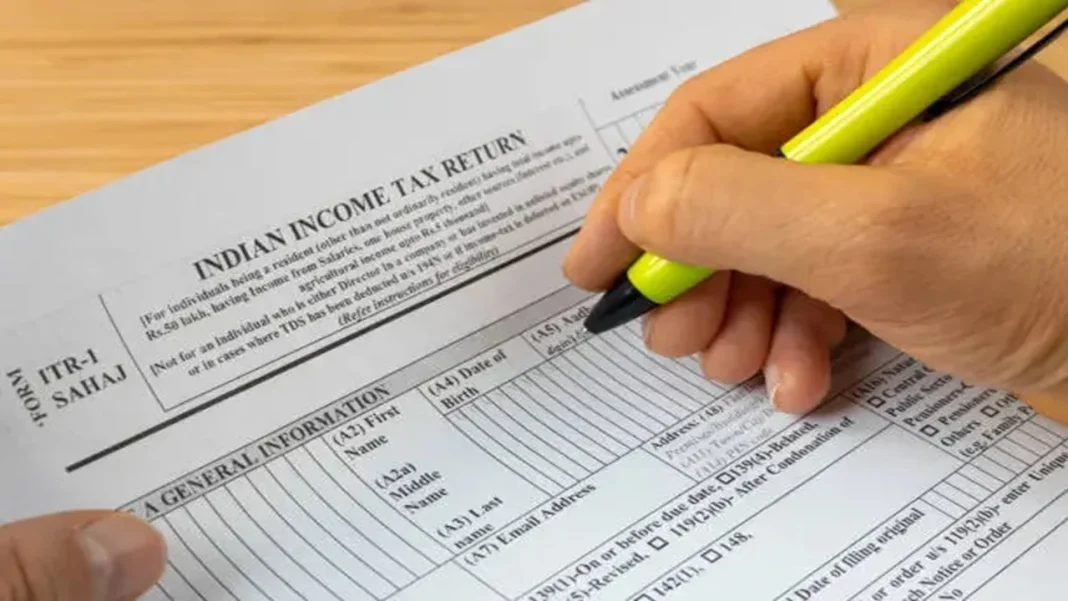

India’s new income tax framework has changed one familiar compliance route for taxpayers who suffer excess TDS or TCS. Form 13 has now moved to Form 128 under the Income-tax Act, 2025. The form is meant for people who want a certificate allowing the payer to deduct tax at a lower rate, nil rate, or collect tax at a lower rate under Section 395(1) and Section 395(3). The Income Tax Department’s official Form 128 guidance says the application must be filed electronically to the Director General of Income-tax (Systems), or an authorised person.
Why Form 128 Matters For Taxpayers
Form 128 is useful when normal TDS or TCS deduction is higher than the taxpayer’s final tax liability. This often affects property sellers, freelancers, consultants, NRIs, pensioners, businesses with losses, and people earning interest, rent, commission, professional fees, or other income where tax is deducted at source.
The trend is clear. Taxpayers now want cash-flow relief during the year, not a refund many months later. Economic Times reported that taxpayers, especially property sellers, can now use the newly introduced Form 128 to request nil or lower TDS under the 2025 Act.
Who Can Apply For Lower Or Nil TDS/TCS
Any resident or non-resident taxpayer can file Form 128 if they want no deduction, lower deduction, or lower collection of tax. The official FAQ confirms that the form applies to both TDS and TCS cases under the new Act.
The applicant must justify why the normal deduction is too high. For example, a property seller may have a lower capital gain after indexation or cost adjustment. A business may have carried-forward losses. A freelancer may have large expenses. A senior citizen may have lower taxable income after deductions.
How To Apply Through Form 128
The taxpayer must file the form electronically. In practical terms, the applicant should keep PAN, TAN details of the deductor or collector, estimated income, tax already paid, past return details, projected tax liability, and supporting documents ready.
Documents Usually Needed Before Filing
Keep computation of income, Form 26AS, AIS, previous ITR acknowledgements, agreement copies, rent or interest documents, business loss details, and any proof supporting lower tax liability. The Assessing Officer may check these details before issuing the certificate.
Once approved, the taxpayer can share the certificate with the deductor or collector. The payer should then deduct or collect tax only as per the approved certificate, not at the standard rate.
Stay ahead with Latest updates.
When Will NEET Answer Key Release?
Check how to download and challenge.
What Is NEET Dress Code 2025?
Explore rules and exam day guidelines.
When Will JEE Mains Results Release?
Discover expected date and score access.
When Will ICSE Results Be Out?
Check official sites and requirements.
How To Use DigiLocker For Results?
Explore steps to access marks easily.
What Has Changed From The Old System
The biggest change is the form mapping. Under the old Income-tax Act, 1961, taxpayers used Form 13 under Sections 197 and 206C(9). Under the new Income-tax Act, 2025, Form 128 is linked with Section 395(1), Section 395(3), and Rule 213 of the Income Tax Rules, 2026.
This matters because old references in tax planning, property sale checklists, and advisory notes may now be outdated. Taxpayers should use the new form name while speaking to their CA, buyer, employer, bank, tenant, or client.
Why Taxpayers Should Not Delay
A lower or nil certificate does not work backwards in the same way people expect refunds to work. It is safer to apply before the payment event. If TDS is already deducted at a higher rate, the taxpayer may have to wait until return filing and refund processing.
Form 128 is, therefore, not just a compliance form. It is a cash-flow tool. For people selling property, earning high-value professional fees, or receiving income with heavy deduction, timely filing can prevent unnecessary money blockage.
FAQs
1. What is Form 128?
Form 128 helps taxpayers request lower, nil TDS, or lower TCS under new rules.
2. Who can file Form 128?
Residents and non-residents can file it when normal deduction exceeds actual tax liability.
3. Is Form 128 replacing Form 13?
Yes, Form 128 replaces Form 13 under the new Income-tax Act, 2025.
4. Can property sellers use Form 128?
Yes, property sellers may use it to request lower or nil TDS deduction.
5. When should Form 128 be filed?
File it before payment or deduction to avoid excess TDS or TCS blockage.