

Karnataka now has 2,05,350 people living with HIV who are alive and receiving antiretroviral therapy, or ART. The figure, recorded on June 28, 2026, shows how widely treatment services have expanded across the state. Yet the same update carries a harder message: an estimated 56,406 people may still be living with HIV without knowing their status.
The gap has pushed the Karnataka State AIDS Prevention Society, or KSAPS, to widen confidential testing and awareness work in colleges, universities and workplaces. The latest Karnataka HIV report is therefore not only about patients already receiving medicine. It is also about finding people earlier, linking them to care and cutting avoidable transmission.
What Does The Latest Karnataka HIV Report Show?
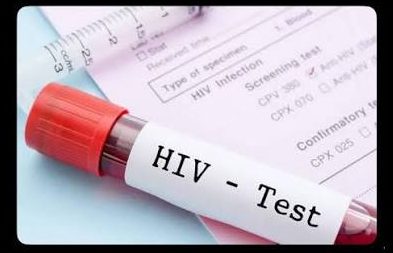
The state’s current treatment count comes from KSAPS data reported in July 2026. During 2025-26, more than 37.57 lakh people from the general population were tested, and 11,322 new positive cases were detected. Another 11.98 lakh pregnant women underwent testing, with 451 new positive cases identified. KSAPS also followed 1,009 pregnant women already known to be living with HIV.
The first two months of 2026-27 brought further activity. Around 4.11 lakh people were tested, while 2,057 positive cases were found. These numbers do not automatically mean infections are exploding. Wider screening can uncover cases that previously remained outside the health system.
The main figures at a glance are:
- 2,05,350 people were alive and receiving ART on June 28, 2026.
- 56,406 residents were estimated to be unaware of their HIV status.
- 37.57 lakh general-population tests were completed during 2025-26.
- 11,322 new positive cases emerged from those tests.
Why Is Karnataka Expanding HIV Testing Now?
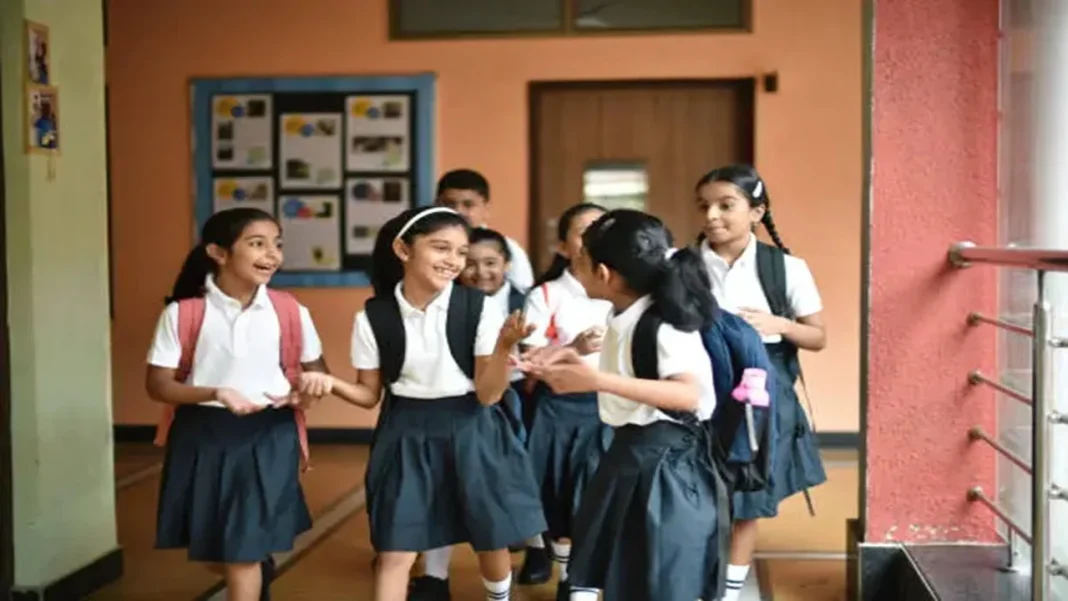
KSAPS launched a statewide campaign across educational institutions and workplaces in July. Universities, medical colleges, diploma institutions, first-grade colleges, software firms and industrial workplaces are being used as awareness channels. Testing remains voluntary, and officials have stressed confidentiality rather than compulsion.
A QR-based tool under the Mobilisation for AIDS Suraksha campaign lets users answer seven anonymous risk questions. Anyone whose answers indicate possible exposure can locate a testing centre or speak privately with a counsellor through the BreakFree platform.
The timing also follows a reported increase among men who have sex with men. KSAPS data showed positive cases in this group rising from 166 in 2023-24 to 362 in 2024-25 and 412 in 2025-26. Officials linked the need for stronger outreach to misinformation, low testing, changing social contact patterns and dating-app use, without blaming any community.
How Does ART Help People Living With HIV?
ART does not remove HIV from the body. It stops the virus from multiplying, protects the immune system and lowers the viral load. According to the WHO HIV fact sheet, when treatment is taken regularly and the viral load remains undetectable, a person does not sexually transmit HIV. This is commonly expressed as “Undetectable = Untransmittable”, or U=U.
That is why the two-lakh treatment figure is important. Each person retained in care has a better chance of living a long, productive life, while sustained viral suppression also supports prevention. Treatment gaps, missed medicines and late diagnosis can weaken those gains.
The National AIDS Control Organisation provides information on free testing, counselling and treatment services. An official NACO post on X also directs users to the BreakFree risk tool and the national toll-free AIDS helpline, 1097.
Can Karnataka Close The Diagnosis Gap Before 2030?
Karnataka has stated that it wants to end HIV/AIDS as a public-health threat by 2030. The immediate task is narrower and measurable: locate people who remain undiagnosed, begin ART quickly and help patients stay on treatment.
The state already has a large testing network. Earlier official statements listed 442 standalone Integrated Counselling and Testing Centres, 94 ART centres and 290 treatment sub-centres. The new college and workplace campaign adds another route to reach younger adults, migrants and people who may avoid hospitals because of fear or stigma.
People seeking care can use the KSAPS website, find services through BreakFree or call 1097. Testing is confidential. Casual contact, shared food, handshakes or hugs do not spread HIV.
Frequently Asked Questions
How many people receive HIV treatment in Karnataka?
As of June 28, 2026, 2,05,350 people were alive and receiving ART across Karnataka officially.
How many people may not know their HIV status?
KSAPS estimates 56,406 Karnataka residents may be living with HIV without knowing their current status.
Is HIV testing compulsory for Karnataka college students?
No. The college campaign promotes voluntary, confidential testing and counselling, not compulsory screening for students.
Where can people get free HIV testing?
Government hospitals and Integrated Counselling and Testing Centres provide confidential HIV testing and treatment free.
Can effective HIV treatment prevent sexual transmission?
Yes. People maintaining an undetectable viral load through regular ART do not sexually transmit HIV.