

India’s nuclear liability framework is heading for a regular review cycle. The Draft SHANTI Rules, 2026, released on August 14, require the Central Government to form an expert group once every five years to examine the maximum civil-liability limits placed on nuclear operators. Until now, revision depended largely on government discretion.
India is also opening more of civilian nuclear power to private participation while pursuing 100 GW of nuclear capacity by 2047. Meanwhile, the Supreme Court has asked the Centre whether statutory caps could restrict constitutional courts from granting fair compensation after a nuclear accident. The key distinction is between an operator’s capped liability and the wider compensation potentially available to victims.
What Do The Draft SHANTI Rules Change For Nuclear Liability?
Rule 78 says the Centre shall constitute a group every five years to review operators’ maximum civil-liability limits. The panel can include experts in nuclear science, engineering, actuarial science, insurance and law, plus public-interest representatives. It can propose amendments to the SHANTI Act’s Second Schedule, where operator caps are listed.
A review does not guarantee an increase. Section 83 of the SHANTI Act, 2025 allows the government to revise those limits upward or downward after considering advanced technology, enhanced safety features and other relevant criteria. The draft therefore creates a timetable for reconsideration, not an automatic inflation-linked hike.
The Department of Atomic Energy has opened public consultation on the draft rules and regulations until 8 PM on September 4, 2026, and repeated the invitation through its official X account.
How High Are Operator Liability Caps Under The SHANTI Act?
The SHANTI Act uses graded limits rather than one figure for every installation:
- Reactors above 3,600 MW thermal: ₹3,000 crore.
- Above 1,500 MW and up to 3,600 MW: ₹1,500 crore.
- Above 750 MW and up to 1,500 MW: ₹750 crore.
- Above 150 MW and up to 750 MW: ₹300 crore.
- Up to 150 MW, specified fuel-cycle facilities and nuclear-material transport: ₹100 crore.
These are operator caps, not a statement that total victim compensation can never exceed them. Section 13 separately sets the maximum liability for each nuclear incident at the rupee equivalent of 300 million Special Drawing Rights, unless the Central Government notifies a higher amount.
Operators must also maintain insurance, financial security or both. Under the draft, that protection must continue until all spent fuel is removed from the relevant storage pool.
Could Compensation Rise After A Major Nuclear Accident?
Potentially, yes, but Rule 78 is not an automatic post-accident trigger. Its five-year review is designed to reconsider operator limits for the statutory framework. The draft does not say a major accident immediately lifts those limits.
Other provisions go further. If nuclear damage exceeds an operator’s Second Schedule cap, Section 14 makes the Central Government liable for the excess within the Act’s framework. If compensation exceeds, or is likely to exceed, the overall Section 13 amount, the government may take additional measures. Draft Rule 76 specifically provides for seeking supplementary public funds under the Convention on Supplementary Compensation for Nuclear Damage.
The draft also provides for a Nuclear Liability Fund financed through levies on operators. Payments would require the government to determine the amount and obtain Parliament’s approval.
Victims would also face statutory claim periods. Section 67 says property-damage claims generally expire after 10 years, while personal-injury claims have a 20-year period from notification of the nuclear incident. That timetable becomes especially relevant where radiation-related harm appears gradually.
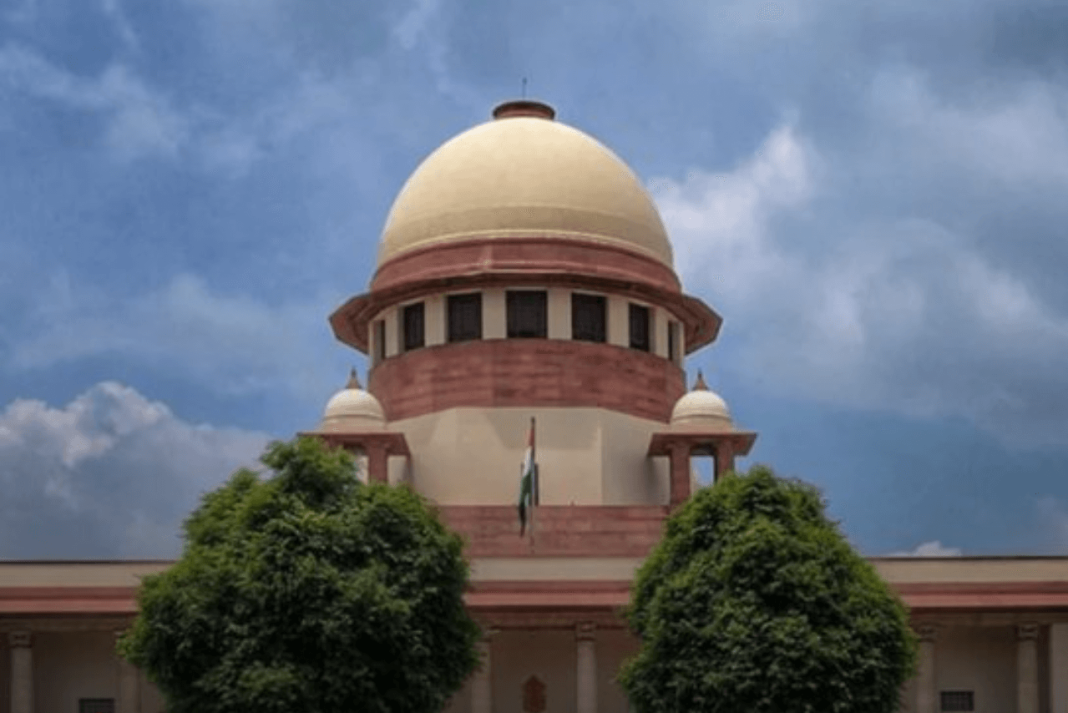
Then comes the court question. In the August 17 Supreme Court proceedings reported by LiveLaw, the Bench asked the Union to clarify whether constitutional courts are restricted from fixing fair and just compensation in a nuclear accident case. Its eventual view could affect how statutory limits interact with constitutional remedies after an extreme event.
Why Is India’s Nuclear Liability Debate Getting Hotter Now?
Liability is being rewritten as India tries to expand nuclear power quickly. A government nuclear programme backgrounder put installed capacity at 8.78 GW and projected 22.38 GW by 2031-32, with 100 GW targeted by 2047.
On August 21, reports said the US nuclear industry was preparing detailed feedback on the draft SHANTI rules. The consultation may therefore influence how overseas technology providers and private operators assess Indian projects.
The five-year review makes regular reconsideration more likely. It does not promise higher caps after every review, nor settle compensation after a catastrophic accident. That will depend on the law, government support, supplementary funds and the Supreme Court’s interpretation of compensation powers.
FAQs
Do the draft SHANTI Rules automatically increase nuclear liability caps every five years?
No. Rule 78 requires review every five years, but it does not require automatic increases.
What are the operator liability limits under the SHANTI Act?
Operators face graded caps from ₹100 crore to ₹3,000 crore, depending on installation size category.
Can the overall nuclear-incident liability limit be raised?
Yes. The Centre can notify a higher overall per-incident liability amount under Section 13 itself.
Who pays when damage exceeds an operator’s liability cap?
The Centre covers qualifying damage above operator caps and may seek international supplementary compensation funds.
When does public consultation on the draft rules close?
Feedback on the draft SHANTI Rules is open until 8 PM on September 4, 2026.