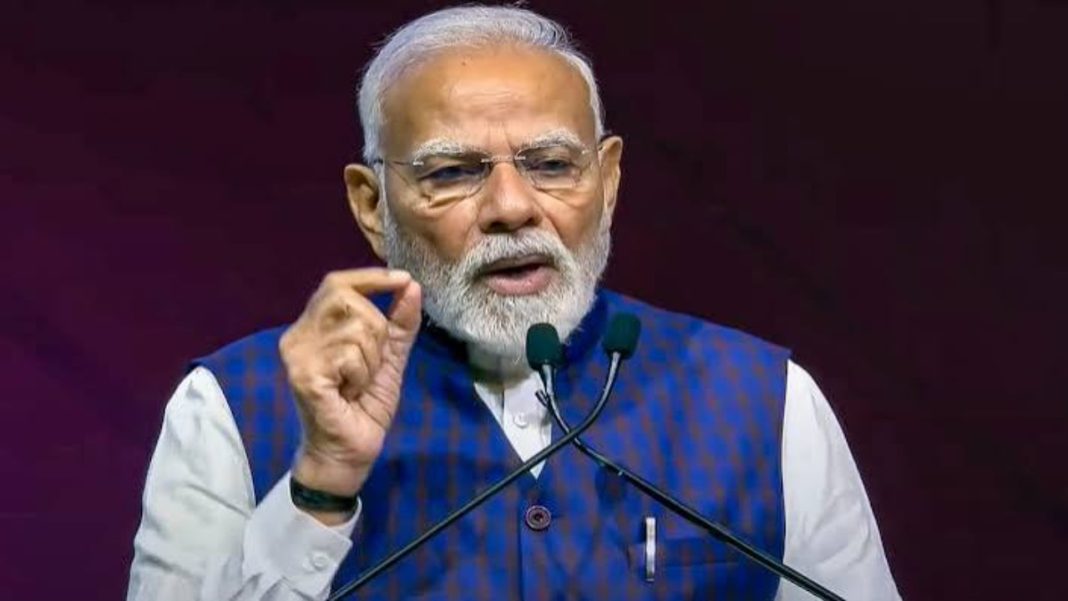

The Centre is considering a dedicated social-media code of conduct for government officers as reels, personal videos and opinion posts become increasingly visible online. Prime Minister Narendra Modi has reportedly asked senior bureaucrats to examine whether a formal code should be introduced, especially where officers post personal content while on duty.
A September 3 Times of India report said Cabinet Secretary T V Somanathan circulated action points from a recent interaction with secretaries. No final rules, draft text or implementation date have been publicly announced yet, so the proposal remains under examination.
What Has The Centre Proposed For Government Officers?
The proposed code is expected to address a gap between older service conduct rules and today’s creator-style social media. The immediate concern is not routine public information posted through authorised government accounts. It is personal branding, reels, stories, videos and opinions that may blur the line between an officer’s private presence and official position.
Key points reported so far include:
- The Centre is examining a dedicated social-media code for its officers.
- PM Modi has asked top bureaucrats to explore the proposal.
- Reels, videos, stories and personal opinions, including posts made during duty, are under focus.
- The government has not yet published the final scope, penalties or effective date.
The same meeting also discussed speeding up the proposed “Ek Bharat” portal, intended to give citizens one login for multiple government services.
What Rules Already Apply To Central Government Employees?
Government employees are not operating without conduct restrictions today. The government-run Institute of Secretariat Training & Management explains that the CCS (Conduct) Rules, 1964 already cover media interaction, criticism of government and communication of official information.
Rule 8 deals with connections with the press or other media. Rule 9 restricts adverse public criticism of current government policy, while Rule 11 protects official information from unauthorised disclosure. These provisions can already reach online behaviour, even though they were framed long before Instagram Reels, creator accounts and viral short-form video became common.
There is also earlier official work on digital conduct. The Bureau of Police Research and Development’s 2024 social-media guidelines were prepared after a police leadership conference recommendation, partly because an employee’s personal views can appear to represent the government.
Why Are Reels And Personal Branding Becoming A Bigger Issue?
The debate has already moved beyond hypothetical examples. Bihar tightened social-media rules for state employees in January 2026, including restrictions on workplace reels, personal opinions on government policies and presenting government achievements as personal accomplishments.
Maharashtra also issued 2025 guidance against using official vehicles or offices for personal reels.
UP Police also reinforced its social-media policy in May after concerns over personnel posting poetry clips, staged videos and other content in uniform. Delhi Police separately flagged lip-sync and stylised reels by personnel. In July, the Rajasthan High Court ordered an inquiry involving a police inspector accused of making social-media reels to build a following.
Could A National Code Copy These State-Level Restrictions?
Not necessarily. The Centre has not released wording showing whether it would prohibit workplace filming, monetised accounts, political commentary, use of official vehicles, uniforms, confidential locations or self-promotional posts. Any claim that these specific restrictions are already approved would be premature.
A broader central code could instead define clearer boundaries around duty hours, official identity, confidential material, public commentary and use of government resources. It may also clarify when an officer must state that a post is personal and when personal posting still creates a service-conduct issue.
What Could Change If The Code Is Formally Issued?
For bureaucrats, the biggest change could be clarity. A written digital-era code would give departments a more specific standard than applying decades-old conduct provisions to every new platform or content format.
For citizens, it could also make it easier to distinguish authorised government communication from an officer’s personal content. At the same time, the final wording will be important because officials can use social media constructively for public alerts, grievance redressal and service updates.
Until the government publishes a draft or notification, officers have not been placed under a new nationwide social-media code. The current development is a proposal being examined, not a rule already in force.
FAQS
2. Could officers be stopped from making reels while on duty?
Possibly, but the Centre has not published restrictions covering reels, videos or duty-hour posts yet.
3. Do government employees already face restrictions on online opinions?
Yes. Existing conduct rules restrict criticism, media activity and unauthorised disclosure of official information online.