
India’s Census 2027 population count will start early in Uttar Pradesh, Punjab, Goa and the non-snow-bound parts of Uttarakhand. Instead of waiting until February 2027 with most of the country, these areas will begin house-to-house population enumeration on December 1, 2026. The change is closely tied to the Assembly elections expected in these states in early 2027. Census work and election work draw heavily on the same pool of government employees, especially teachers, so separating the two exercises reduces the risk of staff shortages and administrative overlap. The revised plan also gives these four areas their own January 5, 2027 reference date.
Key Highlights
- Self-enumeration will run from November 16 to November 30, 2026.
- Door-to-door population enumeration will run from December 1, 2026 to January 4, 2027.
- A revisional round is scheduled from January 5 to January 9, 2027.
- January 5, 2027 will be the Census reference date for these areas.
What Changed In The Census 2027 Schedule?
The September 5 Gazette notification issued by the Office of the Registrar General and Census Commissioner formally moved the population enumeration dates forward for Goa, Uttar Pradesh, Punjab and non-snow-bound Uttarakhand. The rest of India, apart from separately scheduled snow-bound areas, is still expected to conduct the second phase in February 2027, with March 1, 2027 as the national reference date.
The Census is being held in two stages. The first is the Houselisting and Housing Census, which records housing conditions, household amenities and assets. The second is Population Enumeration, where information is collected about every individual. The first phase has already been completed in Uttar Pradesh, Punjab, Goa and Uttarakhand, allowing the Centre to move these states into the second phase earlier. For households, the date change does not create a different process; it mainly moves when information is submitted and verified.
Why Are Uttar Pradesh, Punjab, Goa And Uttarakhand Starting Early?
The strongest practical reason is the election calendar. The current Assembly terms in these states are due to end by May 2027, which places their elections in the same broad period as the original February population count.
Census teams and election authorities both rely on large numbers of government staff. Teachers are frequently deployed as enumerators and are also used for polling duties. Running both exercises together could create pressure on training, field deployment, school staffing, transport and local administration. Advancing the Census clears much of that workload before election preparations peak.
The timing has also entered political debate. Congress leader Jairam Ramesh questioned why the schedule was changed when the election calendar was already known, while the government notification itself sets out the revised dates without giving a political explanation. In Punjab, the new calendar also weakens recent speculation that the Assembly election might be held as early as November 2026.
Why Uttarakhand Has Two Timelines
Only Uttarakhand’s non-snow-bound areas are part of the December schedule. Snow-bound, non-synchronous areas of Uttarakhand were already placed on an earlier September 2026 timetable because winter conditions can make field access difficult. The same special arrangement applies to Ladakh and designated snow-bound parts of Jammu and Kashmir and Himachal Pradesh. The Home Ministry’s Census preparation update confirms the separate September enumeration period.
What Will Census 2027 Collect And How Will It Work?
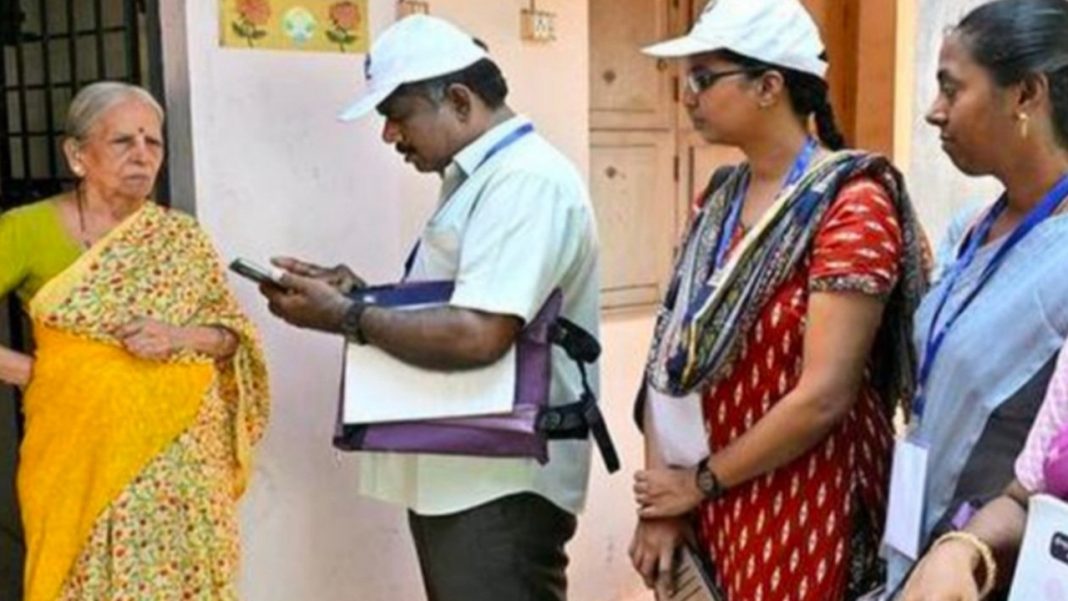
Census 2027 is India’s first fully digital Census, although enumerators will still visit households. The government has also introduced online self-enumeration, allowing residents to submit details before the field visit. The official self-enumeration portal is available in 16 languages, and respondents receive an SE ID that can be shown to the enumerator. The government’s Census 2027 digital tools announcement says more than three million enumerators, supervisors and other officials will participate nationwide.
During Population Enumeration, officials will collect demographic, socio-economic, education, migration and fertility information. Caste enumeration will also be included in this second phase, making it one of the most closely watched parts of Census 2027. The Registrar General has already published the official Population Enumeration questionnaire.
The Census is the 16th in India and the eighth after Independence. The previous Census was held in 2011, while the 2021 exercise was postponed following the COVID-19 pandemic. That makes the 2027 count especially important for updating population data used across public planning and government programmes.
Frequently Asked Questions
When will Census 2027 begin in Uttar Pradesh?
Population enumeration in Uttar Pradesh begins December 1, 2026 and continues through January 4, 2027.
When can residents complete self-enumeration?
Residents in these four notified areas may self-enumerate from November 16 to November 30, 2026.
Why were these states moved ahead of February?
The schedule reduces overlap between Census fieldwork and Assembly election duties expected during early 2027.
What is the reference date for these states?
January 5, 2027 is the reference date for Goa, Punjab, Uttar Pradesh and Uttarakhand areas.
Will caste be counted in Census 2027?
Yes. Caste enumeration is included in the Population Enumeration phase of Census 2027 across India.