
India’s HPV vaccination programme will continue after the Supreme Court declined to entertain a PIL questioning the nationwide rollout. The Universal Health Organisation raised concerns over informed consent, adverse-event monitoring, compensation and an alleged effect on fertility. During the September 10 hearing, the bench warned against disrupting a public-health programme through claims lacking adequate scientific backing. The formal order says the petitioner withdrew the case as the Court was preparing to dismiss it with adverse comments.
Why Did The Supreme Court Refuse To Entertain The HPV Vaccine PIL?
Chief Justice Surya Kant and Justices Joymalya Bagchi and V Mohana heard the case. The petitioner said it was not against vaccination, but questioned how the programme was being implemented. The case appears in the Supreme Court’s official records as Universal Health Organisation vs Union of India, Diary No. 37256/2026.
During arguments, counsel referred to reports alleging an effect on fertility and sought stronger adverse-event monitoring and compensation. Justice Bagchi pointed to the World Health Organization’s recommendation of HPV vaccination. The Chief Justice said the case involved the health of “millions of our daughters” and warned against derailing the campaign.
The one-page Supreme Court order is narrower than some headlines suggest. It does not contain a detailed ruling on vaccine safety or fertility. It records that the Court was proceeding to dismiss the petition with adverse comments when counsel sought permission to withdraw it. The writ petition was then “dismissed as withdrawn.”
What The Hearing Focused On
The dispute ended without a merits judgment on every allegation. The oral remarks were still sharply critical of unsupported vaccine claims. The bench also indicated that ordinary compensation rules would apply where incorrect vaccination created liability.
Key points were:
- The PIL questioned consent, risk disclosure, adverse-event reporting and compensation.
- The petitioner referred to reports alleging an impact on fertility.
- The Court stressed that vaccine claims need adequate scientific evidence.
- India’s free programme targets girls aged 14 across all States and Union Territories.
What Does The Evidence Say About HPV Vaccines And Fertility?
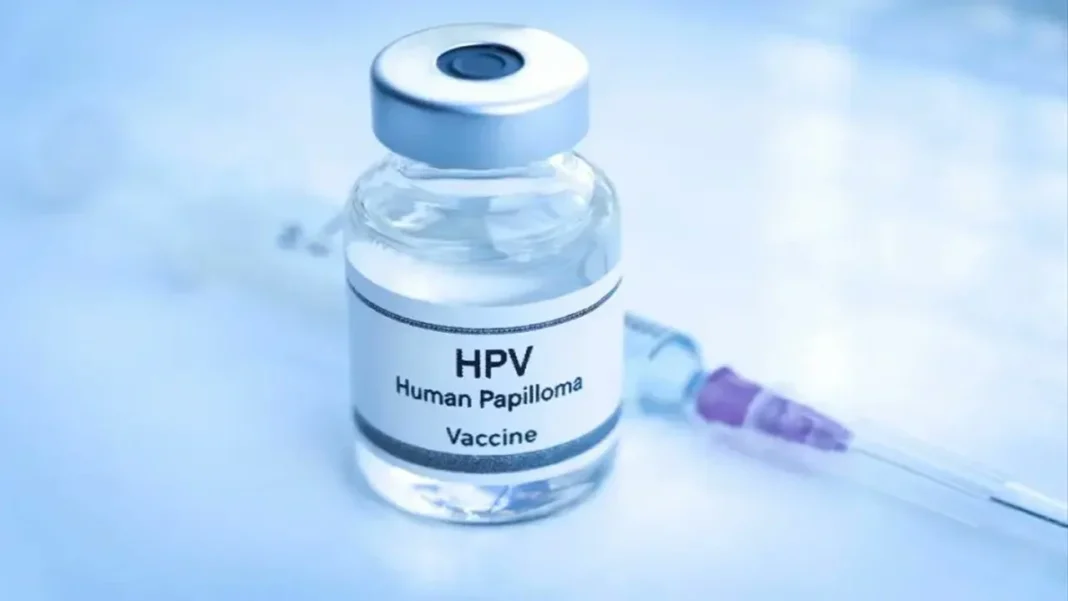
The WHO’s HPV vaccine fertility safety review examined evidence involving infertility and primary ovarian insufficiency. Its conclusion was that available data do not support a causal association between HPV vaccination and either condition.
A prospective study of women planning pregnancy found no association between HPV vaccination and the ability to conceive. WHO also noted that a study suggesting a possible association was later retracted because of serious problems with analysis and interpretation.
India’s official HPV vaccine rollout FAQ likewise says scientific reviews show no link between the vaccine and infertility, miscarriage or birth defects. Timing after vaccination alone does not prove causation.
How Large Is India’s HPV Vaccination Programme In 2026?
The Centre launched the free nationwide campaign on February 28, 2026, targeting around 1.15 crore girls aged 14. A single dose of Gardasil-4 is available at designated government facilities. The Health Ministry says vaccination is voluntary, parental consent is mandatory and adverse events following immunisation are monitored. Read the Health Ministry programme details
By July 15, 52,10,302 girls had received the vaccine, according to the Press Information Bureau update. Training had also been completed for medical and paramedical staff across all 36 States and Union Territories.
India’s cervical-cancer burden adds urgency. The IARC GLOBOCAN India fact sheet estimated 1,27,526 new cervical-cancer cases among Indian women in 2022, making it the second most common cancer among women after breast cancer.
Press Trust of India also posted about the planned rollout on X in February; its report is visible in this X thread quoting PTI’s official post.
Why Does The Court’s Decision Matter For India’s Cervical Cancer Strategy?
The immediate result is that this PIL has not paused the national campaign. The hearing also separates legitimate questions about consent or monitoring from medical claims that require reliable evidence.
Vaccination is only one part of cervical-cancer prevention. Screening and treatment remain necessary. The WHO cervical cancer elimination strategy calls for 90% of girls to be fully vaccinated by age 15, 70% of women to receive screening at specified ages and 90% of women with cervical disease to receive treatment.
For families, the fertility point is clear: the petitioner raised the allegation, but the Supreme Court did not endorse it. Current WHO safety reviews do not support a causal link between HPV vaccination and infertility.
FAQs
Did The Supreme Court Ban India’s HPV Vaccination Programme?
No, the Court allowed withdrawal of the petition, so India’s HPV vaccination campaign continues unchanged.
Did The Supreme Court Rule That HPV Vaccines Cannot Affect Fertility?
No, it issued no merits ruling; WHO evidence currently finds no causal link with infertility.
Who Filed The HPV Vaccination PIL In The Supreme Court?
Universal Health Organisation filed the PIL questioning consent, monitoring, compensation and parts of programme implementation.
How Many Girls Had Received India’s HPV Vaccine By July 2026?
Government data said 52,10,302 girls had received the HPV vaccine by July 15, 2026 nationwide.
Is HPV Vaccination India’s Only Cervical Cancer Prevention Measure?
No, vaccination works alongside cervical screening, early diagnosis and treatment within India’s wider cancer strategy.
India in Focus: Health, Railways, Defence & Global Diplomacy
- How Is This Cancer Vaccine Different?
Check out how personalised mRNA cancer vaccines differ from vaccines designed to prevent disease. - Could Chennai Families Face Displacement?
Find out how the proposed Pattinapakkam Secretariat could affect local fishing communities. - Which Trains Face Disruptions Today?
Browse the routes affected by diversions, delays, and rescheduling across Delhi. - Are Drone Swarms Shaping Future Warfare?
Uncover how Yudh Abhyas 2026 is using counter-drone systems in battlefield training. - What Could Putin’s India Visit Bring?
Reveal the strategic agreements India and Russia could announce during the BRICS summit.