
Thrifting has moved from a niche Instagram habit to a search trend across India. In its October 2026 thrifting trends update, Google India reported that searches for “thrifting” reached an all-time high. Searches for “how to thrift” climbed 850%, “thrift store near me” rose 600%, and “what is thrift store” jumped 1,000%.
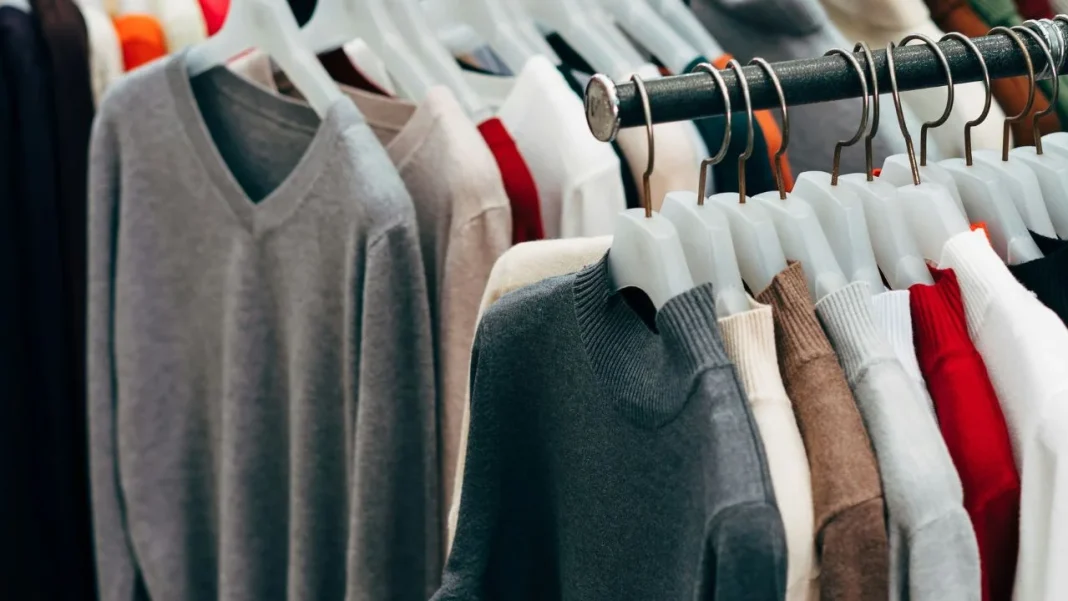
So, what is thrifting? It is buying pre-owned clothing, accessories, furniture or other goods instead of purchasing them new. For many young shoppers, the appeal now goes beyond lower prices. Vintage denim, Y2K pieces, old saris and one-off finds are becoming part of personal style.
Key Highlights
- Google says Indian searches for “how to thrift” rose 850%, while “thrift store near me” increased 600%.
- India generates about 70.73 lakh tonnes of textile waste annually, according to the Ministry of Textiles.
- Gen Z shoppers are helping turn pre-loved fashion into a style, resale and sustainability trend.
What Is Thrifting And How Does It Work In India?
A thrift purchase gives an existing item another owner. That could mean a pre-worn jacket from an Instagram seller, a vintage bag from a flea market, or furniture bought through a resale platform.
India already has a long culture of hand-me-downs, repair and reuse. What has changed is the presentation. Social media sellers photograph curated drops, describe eras or aesthetics, and create urgency around pieces that may exist only once.
Google’s latest India trend note says interest now stretches from Delhi and Mumbai to Bengaluru, Hyderabad, Chennai, Kochi, Kolkata, Dehradun, Guwahati and Jaipur.
For buyers, three checks are useful:
- Ask whether the item is genuinely pre-owned, vintage, export surplus or unused deadstock.
- Check measurements, stains, fabric wear, return rules and delivery charges before paying.
- Compare the final price with a new alternative, especially when a “vintage” label raises the cost.
Why Second-Hand Shopping Is Becoming Popular In India
Price remains a major attraction, but thrift shopping also gives buyers access to clothes missing from current collections. That is useful for shoppers chasing Y2K silhouettes, older denim cuts, discontinued labels or unusual prints.
A standard fashion website may stock thousands of identical units. A thrift page may post one jacket in one size, making the purchase feel closer to finding something than simply ordering it.
A September 2026 Hindustan Times report on India’s pre-loved fashion trend captured that shift through a red dress listed on resale platform Relove. The garment had already passed through three owners, each attaching a personal story to it. The example shows why “pre-loved” fashion is increasingly sold around provenance as well as price.
Younger buyers also discover products through Instagram, Pinterest, Reddit and short-form video, where thrift hauls and styling clips travel quickly. Recent Indian shopping coverage has similarly found young consumers relying heavily on creator content and social discovery before purchases.
Thrifting, Textile Waste And India’s Circular Fashion Push
Thrifting will not solve India’s textile-waste problem on its own, but keeping usable clothing in circulation can delay disposal.
The Ministry of Textiles waste-mapping release reported in March 2026 that India generates about 70.73 lakh tonnes of textile waste a year. A later government update said more than 70% is recovered for recycling, upcycling, downcycling or reuse, while around 55% of post-consumer textile waste is diverted from landfills.
That gives second-hand shopping a wider context:
- Reuse keeps wearable products in circulation before they enter recycling or waste streams.
- Repair, resale and redistribution can extract more use from clothes already produced.
- India’s textile recovery ecosystem supports an estimated 40–45 lakh livelihoods, according to the government.
PIB India’s official X post on the Union Budget 2026–27 textile push also highlighted sustainable manufacturing, showing how circularity and greener textile production are gaining policy attention.
Where India’s Thrift Trend Could Go Next
The next phase may be less about whether Indians will buy used goods and more about trust. Buyers increasingly want accurate condition descriptions, clear sourcing, hygienic handling, authentic labels and dependable returns.
That creates room for organised resale platforms alongside small Instagram stores and local markets. Shoppers also need to distinguish genuine second-hand goods from surplus merchandise marketed loosely as thrift.
If platforms make verification, payments and returns easier, second-hand shopping in India could move further from subculture into routine retail behaviour.
FAQs
1. What is thrifting in simple words?
Thrifting means buying previously owned goods, usually clothing, accessories, furniture or décor, through resale stores, online platforms, flea markets or individual sellers at lower prices.
2. Why is thrifting popular among Gen Z in India?
Gen Z shoppers like lower prices, unusual pieces, vintage aesthetics, creator-led discovery and the chance to find fashion outside standard retail collections and mainstream trends.
3. Is every thrift-store product second-hand?
No. Some sellers also list export surplus, deadstock or unused goods, so buyers should ask about an item’s source, condition and previous ownership before purchasing.
4. Is thrifting better for the environment?
Reusing wearable products can extend their usable life and delay disposal, although the environmental benefit also depends on shipping, cleaning, packaging and how often people buy.
5. Where can people thrift in India?
Shoppers can explore Instagram thrift pages, resale platforms, flea markets and local second-hand stores while checking seller reviews, measurements, condition details, pricing and return policies.
Stay Updated on India’s Latest Digital Changes
Why Are WhatsApp Accounts Under Review?
Check out why multiple Indian accounts are facing temporary restrictions.
Will WhatsApp Users Need Phone Numbers?
Find out what the username changes could mean for Indian users.
How Can You Access Telegram Chats?
Uncover access options and alternative messaging apps for users.
Can BSNL Satellite Phones Work Anywhere?
Explore BSNL’s satellite phone designed for areas without network coverage.
How Can You Add Bank Nominees?
Go through simple online steps to add a nominee across major banks.