

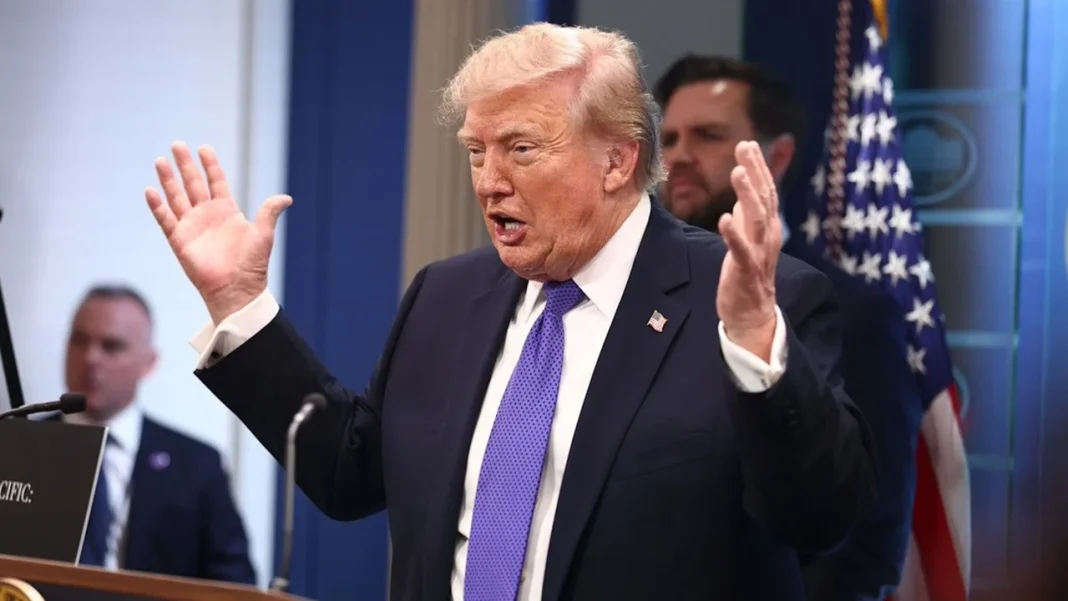

The Trump administration is preparing new tariffs that could affect Indian exports. US investigators flagged solar modules, petrochemicals and steel in a probe into excess manufacturing capacity, but Washington had yet to confirm which products would face new duties or what rates would apply as of 25 November 2026.
Many Indian goods already face an additional 10% US duty under a separate measure linked to forced-labour import rules. For exporters pricing their next orders, the question is whether a new duty would apply to their products on top of existing charges. Here’s what the investigation says about the sectors under scrutiny and what remains open.
Key Highlights
- Solar modules, petrochemicals, and steel are the clearest sectors to watch because US trade officials raised them in the India portion of the investigation.
- India is one of 16 economies covered by the US investigation into excess manufacturing capacity.
- An additional 10% duty already applies to many Indian goods under a separate US action linked to forced-labour import rules. Product exemptions apply.
What Has the US Announced So Far?
As of 25 November 2026, the US Trade Representative’s case page lists the investigation notice and hearing records. It has yet to publish a proposed rate for India, a product list or a start date. Reuters reported on 24 November that Washington was preparing to release the findings and propose additional duties.
The US opened the investigation on 11 March under Section 301 of the Trade Act of 1974. It is looking at whether policies in India and other economies encourage factories to produce more than markets can absorb and whether those policies burden US commerce. The case followed the US Supreme Court’s February ruling that the emergency-powers law used for an earlier round of tariffs did not authorise those duties.
Which Indian Products Could Face New Tariffs?
The US opening notice says India’s solar module manufacturing capacity was nearly three times annual domestic demand. It also alleges excess capacity in petrochemicals and steel. The same document mentions textiles, health, construction, and automotive goods when describing India’s trade surpluses. That distinction is useful when reading early reports about which sectors might be affected.
| Indian Export Category | What the US Notice Says | What Remains Open |
| Solar modules | It cites manufacturing capacity well above domestic demand. | Which solar products, if any, the new measure would cover. |
| Petrochemicals | It alleges significant excess production capacity. | Which chemicals or materials would appear on a tariff list. |
| Steel | It names steel as another sector with alleged excess capacity. | Which steel products would be covered and how any new duty would interact with existing measures. |
| Textiles, health, construction and automotive goods | It mentions these sectors in its discussion of India’s trade surpluses. | Whether the proposal would include any products from these sectors. |
Source: US Trade Representative’s investigation notice.
Solar exporters already have a recent example of how narrowly a US duty can be written. A November antidumping order covers crystalline silicon photovoltaic cells from India, including cells assembled into modules. Any additional duty arising from the excess-capacity investigation would come through a separate notice with its own scope.
How Do the Proposed Tariffs Relate to India’s Existing 10% Duty?
The US imposed the existing 10% levy after a separate Section 301 investigation into how trading partners prevent imports made with forced labour. India landed in the lower tariff tier after adopting a forced-labour import ban. The July notice sets out the exemptions, so the tariff treatment can differ from one product to another.
Reuters reported that the expected duties could come on top of earlier tariffs. The US notice would settle how that works for particular goods. A shipment’s existing duties and any applicable exemptions will help determine how much extra a US importer would pay. That difference can shape the next price negotiation with the Indian supplier.
What Should Indian Exporters Watch Next?
India shipped $8.72 billion in goods to the US in October 2026, up 39.25% from a year earlier, according to provisional Commerce Ministry figures. Across April to October, those exports totalled $59.52 billion. The figures show how much trade is at stake as suppliers and buyers price orders for the months ahead.
Once a notice appears, look for the US tariff code, any exemption, and the date it uses to determine which shipments qualify. For an order already at sea, the effective-date wording could decide whether the buyer owes extra duty when the goods enter US customs. Track the official Section 301 case page for the next notice.
Frequently Asked Questions
Have Trump’s new tariffs on India taken effect?
As of 25 November 2026, the US had yet to publish a rate, product list, or start date for duties tied to the manufacturing capacity investigation.
Which Indian products are most exposed?
Solar modules, petrochemicals, and steel are the main categories to watch because US trade officials singled them out in the India section of the opening notice.
Could Indian textiles face additional US tariffs?
Textiles appear in the US notice’s discussion of India’s trade surpluses. A proposed tariff list would show whether specific garments, fabrics, or other textile products are covered.
Does the existing 10% US tariff cover all Indian goods?
The 10% duty applies to many Indian goods under a separate forced-labour action. The official notice lists exemptions, so coverage depends on the product being shipped.
Who pays a US tariff on Indian goods?
The importer of record is responsible for paying the duty to US Customs. The extra cost can affect what the buyer offers the Indian supplier on future orders.
Explore the Global Trade Battles
1. Why Did Trump Target Chinese Imports?
Find out what triggered the 125% tariff on Chinese goods.
2. What Changed Under Trump’s Second Term?
Explore Trump’s immigration, tariff and travel policies.
3. Could Indian Goods Face 100% Tariffs?
Uncover the US tariff threat over Russian oil imports.
4. Why Is US Scrutinising Indian Exports?
Check out the US crackdown on Chinese goods transshipment.
5. Why Did India Challenge Trump’s Policies?
Dive into India’s response to US criticism over Russian trade.