

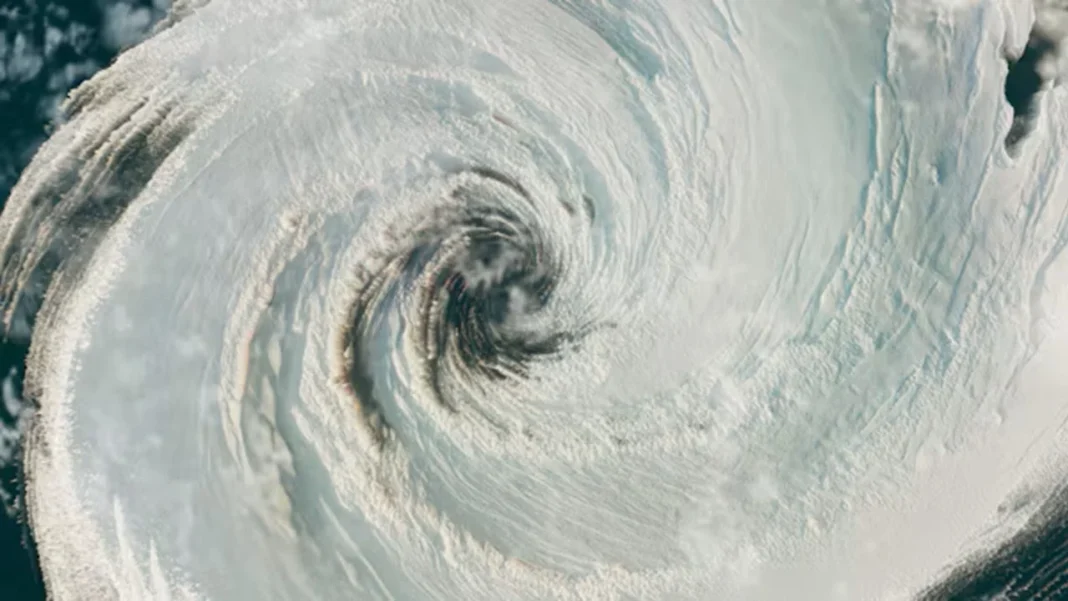

Cyclone names may sound ordinary, but their history includes wartime routines, fiction, and changing ideas about fairness. A surprising chapter in how cyclones get their names began during World War II, when some US military forecasters used their wives’ and girlfriends’ names to identify Pacific storms.
Why Wives And Girlfriends?
During this war, storm naming had not started. The 1890s saw the introduction of the Greek lettering, mythological names and feminine names for weather systems by Australian meteorologist Clement Wragge. He also chose the names of politicians he didn’t like. After his Queensland weather bureau shut down in 1903, the practice ended, says NOAA.
Decades later, George R. Stewart’s 1941 novel, Storm, included a young meteorologist who named storms in the Pacific after women in his life. The story was so inspiring that the U.S. Army Air Forces forecasters assigned to Saipan in 1944 were inspired by it. It is said that storms were named after the wives of Reid Bryson, E.B. Buxton, and Bill Plumley. The name of women was publicly used for Western Pacific typhoons by the US armed services in 1945. “NOAA reports, there is no record of the storm tracks from that early experiment.”
From Personal Names To Public Warning
It was no quirky tradition. The duration of a cyclone can be several days, and there may be more than one cyclone active simultaneously. Forecasts and warnings are more easily followed and less confusing because they are short and distinct. Clear communication is one of the reasons for storm names according to NOAA and the World Meteorological Organization.
The naming of storms with women’s names was introduced with weather services in the United States in 1953, but the naming system was not equal. Male names were added to lists in the eastern North Pacific in 1978, and in the Atlantic in 1979. Instead of individual meteorologists’ families, today, official names are drawn from lists agreed on by meteorological organizations in the region. Names are chosen to be friendly/pronounceable and acceptable in multiple languages. Names of quite devastating storms are retired in some areas.
What It Means For Bangladesh
For Bangladesh and its neighbours around the Bay of Bengal, cyclone names follow a regional system. The WMO/ESCAP Panel on Tropical Cyclones has 13 member countries, including Bangladesh, and its 2020 list contains 169 names, with 13 contributed by each country. India’s Regional Specialized Meteorological Centre in New Delhi names qualifying systems in the Bay of Bengal and Arabian Sea when maximum sustained winds reach 34 knots (about 62 km/h).
A name heard in a warning is therefore not a personal choice or a measure of danger. It is an agreed label that helps people understand which storm authorities are tracking. The history includes wives, girlfriends, and fiction, but the modern purpose is serious: clearer warnings can support faster decisions and safer communities.
Explore More Cyclone News, Weather Alerts and Safety Updates!
1. What Happened During Cyclone Murasu’s Updates?
Check out Cyclone Murasu’s November 2026 updates covering weather developments and regional alerts.
2. How Are Cyclones Named in India?
3. Which Coasts Faced Cyclone Arnab Risks?
4. What Did IMD Warn About Arnab?
5. Can Cyclone Murasu Passengers Claim Refunds?