

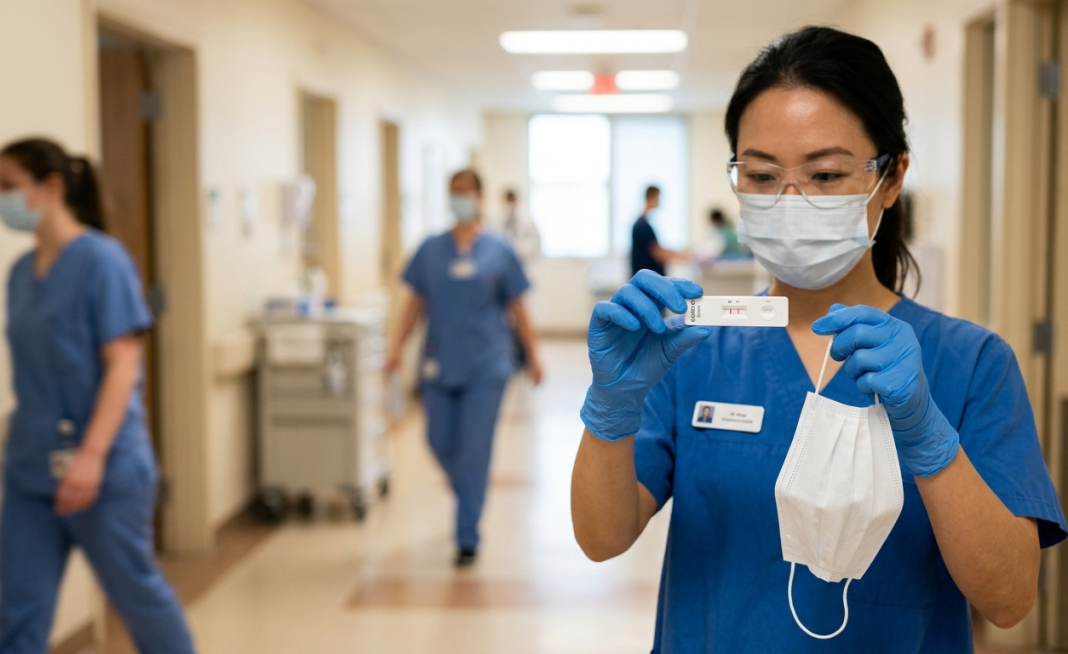

Delhi’s H1N1 surge has moved from a seasonal health concern to a daily conversation in schools, offices and homes. The capital recorded 138 new H1N1 cases in 24 hours, taking the 2026 tally to 2,446, while Influenza-A cases reached 3,177, according to figures reported by the Delhi government on August 26.
The rise has pushed hospitals to add isolation capacity and schools to tighten respiratory hygiene rules. The important part is that health authorities are not calling this a new strain or asking Delhi to panic. For most people, the practical advice is simpler: stay home when sick, avoid crowded indoor spaces when symptomatic, and use a mask when exposure risk is high.
How Fast Are H1N1 Cases Rising In Delhi?
The latest jump follows several days of climbing influenza numbers across Delhi-NCR. Earlier in the week, the city had crossed 2,300 H1N1 cases, and the newer count of 2,446 shows how quickly the total is moving.
Hospitals have now been asked to keep at least five isolation beds ready, while larger government hospitals should maintain 10 or more. Dedicated flu corners, adequate testing supplies and round-the-clock staffing are also part of the preparedness plan.
At the same time, the Union Health Ministry’s latest influenza update says the current H1N1 activity remains consistent with seasonal influenza. ICMR Director General Dr Rajiv Bahl said on August 25 that no unusual genetic shift or new influenza threat had been detected. Most infections in otherwise healthy people are expected to remain mild and self-limiting, though young children, elderly people and those with underlying illness can face higher complication risks.
Key Updates:
- Delhi’s 2026 H1N1 tally reached 2,446 after 138 fresh cases in 24 hours.
- Influenza-A cases in the capital rose to 3,177.
- Government hospitals have been told to reserve isolation beds and strengthen flu corners.
- ICMR says no new or unusual H1N1 strain has been detected.
- Delhi schools have been asked to improve ventilation, hygiene and illness reporting.
Why Are Schools And Offices Becoming Flu Transmission Hotspots?
Schools and offices are not officially labelled “hotspots” in Delhi’s surveillance data, but they have several conditions that help influenza spread. People spend hours indoors, often in air-conditioned rooms, sit close to others, and share desks, lifts, keyboards, door handles, and common areas.
Schools are drawing particular attention because children have frequent close contact and may not always follow cough etiquette or hand hygiene. Delhi’s Directorate of Education has asked recognised schools to improve classroom ventilation, clean frequently touched surfaces, encourage handwashing and keep symptomatic students away from class.
Some private schools have gone further. Hindustan Times reported on Delhi schools that certain sections and batches shifted online after children fell sick. That does not mean schools across Delhi are closing. It shows how individual campuses are reacting when illness appears in a class or age group.
The same logic applies to offices. An employee who comes to work with fever, cough, or sore throat can spend a full day around colleagues, often in closed meeting rooms. Working from home for a few days when ill can cut unnecessary exposure. The Centre also advises people to stay home when unwell and avoid close contact with others.
Should Delhi Residents Start Wearing Masks Again?
For many residents, selective masking is a reasonable step right now, especially in crowded indoor settings. Delhi officials have advised appropriate use of masks and avoiding unnecessary crowded exposure when symptomatic. The Delhi Medical Association has also urged mask use in crowded places.
That is different from a universal mask mandate. There is no citywide order requiring everyone to mask outdoors or throughout the working day. A mask becomes more useful when someone has flu symptoms, is caring for a sick family member, uses packed public transport, visits a hospital, or belongs to a higher-risk group.
The National Centre for Disease Control’s seasonal influenza guidance and Delhi Health Department’s H1N1 information page remain useful official references. The Centre continues to stress respiratory hygiene, handwashing, and staying home when unwell. Vaccination can also be discussed with a doctor, particularly for people at higher risk of severe influenza.
The bigger mistake is treating every fever with antibiotics or antivirals without medical advice. H1N1 is viral, and the Centre has specifically warned against self-medication.
FAQs
Is H1N1 The Same As Swine Flu?
Yes, H1N1 is an Influenza-A virus commonly called swine flu in public health reporting today.
Should Children Wear Masks To School In Delhi?
Children may wear masks when needed, especially if exposure risk is high or symptoms appear nearby.
Are Delhi Schools Closing Because Of H1N1?
No citywide closure has been announced, though some school sections have temporarily moved classes online.
What Symptoms Should People Watch For?
Watch for fever, cough, sore throat, headache, body ache, fatigue, chills and breathing difficulty early.
When Should Someone Seek Medical Help?
Seek medical advice for severe, persistent or worsening symptoms, especially in children, seniors or vulnerable patients.
More News about Health
Protein Snacks In India: What Should You Check Before Buying ‘Healthy’ Packaged Food?
High-Level Health Meeting on COVID-19 Spread: Should Indians Start Taking Precautions Again?