
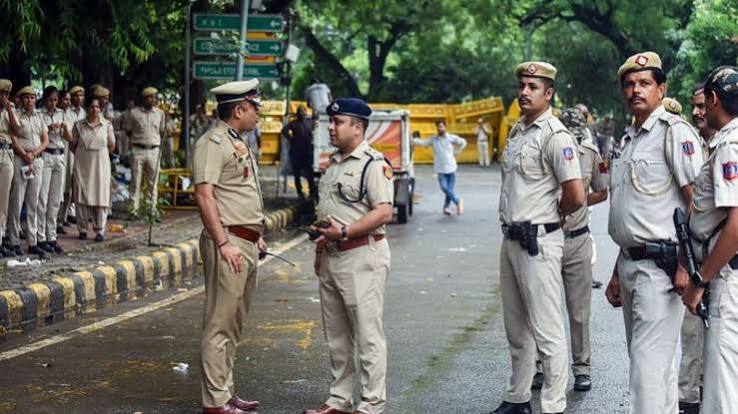

Delhi Police has created a Special Task Force inside its Crime Branch to investigate paper leaks, organised cheating and other offences linked to major public examinations. Announced on July 24, 2026, the move brings India’s biggest recruitment and entrance testing bodies under a dedicated police unit.
The STF will work under the Public Examinations (Prevention of Unfair Means) Act, 2024. The order names UPSC, SSC, Railway Recruitment Boards, IBPS and the National Testing Agency. It also covers recruitment exams run by Central government ministries, departments, attached offices and subordinate offices.
One detail is important: Delhi Police has named examination authorities, not a fixed catalogue of individual tests. The STF can therefore handle different examinations conducted by these bodies when an offence covered by the law is reported.
Why Has Delhi Police Created A Special Exam-Leak STF?
The unit comes during another intense period of debate over examination security. According to the Delhi Police statement reported by Akashvani News, the STF was set up with the Commissioner of Police’s approval and would investigate offences involving public examinations.
It will be headed by the Deputy Commissioner of Police, Crime Branch, while the Special Commissioner of Police, Crime Branch, will supervise it. The STF will also coordinate with prosecuting agencies so cases can move to trial faster.
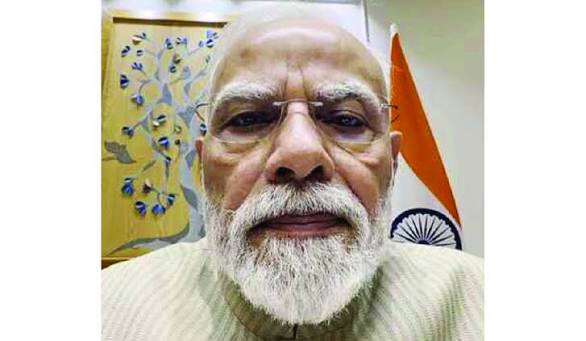
That prosecution link is especially relevant now. On July 23, Prime Minister Narendra Modi announced fast-track courts for paper-leak cases. A day later, the Delhi High Court designated a special fast-track court at Rouse Avenue to hear cases under the 2024 anti-cheating law and connected offences.
The timing also overlaps with the NEET-UG 2026 controversy and student protests. The official NEET portal lists scorecards and final answer keys for the June 21 re-examination, along with notices tied to the earlier May 3 exam. Reports on July 24 also said the NTA had terminated 47 officials during an internal overhaul.
Which National Recruitment Tests Can The STF Investigate?
The police order does not say every exam conducted by these agencies is automatically under investigation. Instead, it identifies authorities whose public examinations can fall within the STF’s mandate when a suspected leak, impersonation network, organised cheating operation or another covered offence emerges.
The main examination groups include:
- UPSC examinations, including national civil services and other recruitment tests conducted by the commission.
- SSC examinations, including Central government graduate, higher-secondary and specialised recruitment cycles.
- Railway Recruitment Board examinations for recruitment across railway posts.
- IBPS examinations used for recruitment to participating public-sector banking posts.
- NTA examinations covered as public examinations under Central law, including national entrance or eligibility tests.
- Recruitment examinations conducted by Central ministries, departments and attached or subordinate offices.
- Examinations of any additional authority notified later by the Central government.
So, a phrase such as “UPSC paper leak” or “SSC exam fraud” does not itself prove wrongdoing. The STF’s role starts where there is an alleged offence requiring investigation, evidence collection and prosecution.
What Can The STF Probe Under The Anti-Cheating Law?
The Public Examinations (Prevention of Unfair Means) Act became enforceable on June 21, 2024. It covers activities such as question-paper leakage, unauthorised possession or disclosure of exam material, impersonation, tampering with computer systems, fake examinations and organised unfair-means networks.
Under the existing Act, offences are cognisable, non-bailable and non-compoundable. A person convicted of covered offences can face at least three years in prison, extending to five years, plus a fine of up to ₹10 lakh. Tougher provisions apply to service providers, senior management involvement and organised crime.
The law also requires investigation by a police officer of at least Deputy Superintendent of Police or Assistant Commissioner of Police rank. Delhi’s STF adds a specialised Crime Branch structure around that legal framework.
Delhi Police also posted about the unit on its official X account, describing it as a step towards protecting the integrity and fairness of public examinations. ANI separately posted the announcement on X on July 24. The official ANI X post on the Delhi Police STF can be embedded with the article.
The practical change is straightforward: exam-leak cases now have a named team, a supervisory chain and a direct coordination role with prosecutors.
What Should Aspirants Know About The New STF?
Candidates do not need to change how they register for UPSC, SSC, RRB, IBPS or NTA examinations. The STF’s role is investigative, not administrative. Exam schedules, admit cards, results and application rules will still come from the respective authority.
What may change is the response after suspected fraud is detected. A specialised team can examine digital trails, communication records, money flows, impersonation links, logistics breaches and connections between suspects across cases.
Official exam websites remain the safest source for dates and notices. Claims about leaked papers sold through Telegram, WhatsApp or unofficial channels should be reported rather than forwarded or purchased.
FAQs
1. Which agencies are covered by the Delhi Police STF?
UPSC, SSC, RRBs, IBPS, NTA and notified Central government examination authorities fall within its mandate.
2. Will the STF investigate every UPSC or SSC examination automatically?
No, it investigates suspected offences connected with covered public examinations when cases or evidence arise.
3. Is NEET included within the STF’s examination-related scope?
NTA is specifically named, so NTA public examinations can come within the task force’s jurisdiction.
4. Who will head the new Delhi Police Special Task Force?
The Deputy Commissioner of Police, Crime Branch, will head the STF under Crime Branch supervision.
5. Can paper-leak offences lead to imprisonment under the 2024 law?
Yes, the law provides prison terms, penalties and tougher punishment for organised examination crime networks.