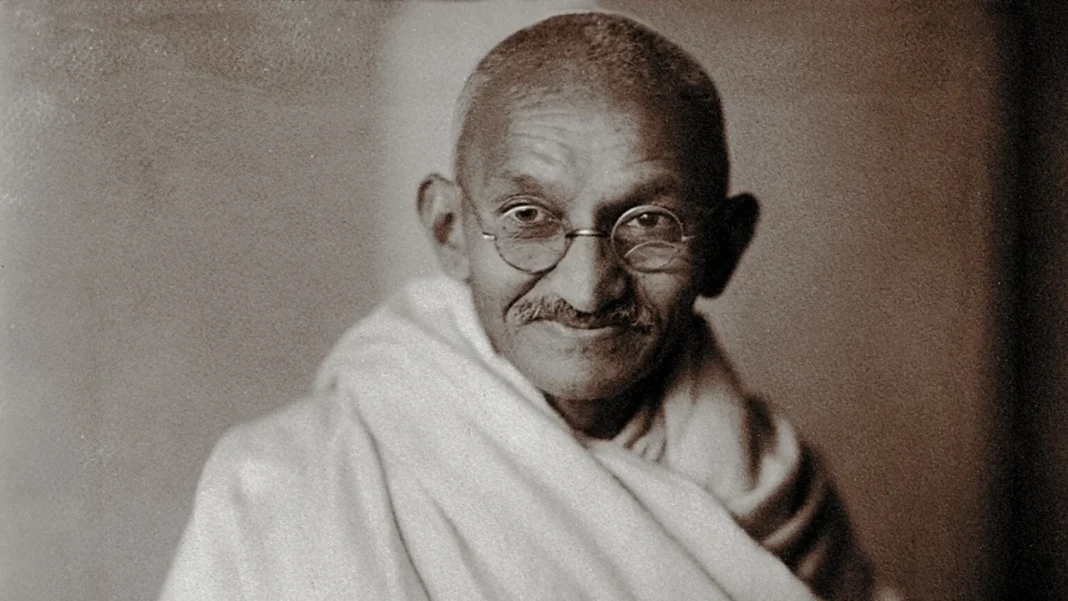

October 2 carries two identities. In India, it is Gandhi Jayanti, marking Mohandas Karamchand Gandhi’s birth in Porbandar in 1869. Globally, the United Nations observes the same date as the International Day of Non-Violence.
The connection is deliberate. In 2007, the UN General Assembly chose Gandhi’s birthday for an annual observance promoting non-violence through education and public awareness. In 2026, Gandhi’s 157th birth anniversary comes as the UN again calls for dialogue and peaceful action amid continuing conflict and division.
Key Highlights
- The UN General Assembly adopted Resolution 61/271 on June 15, 2007, establishing October 2 as the International Day of Non-Violence.
- India introduced the resolution on behalf of 140 co-sponsors, and it was adopted without a vote.
- The 2026 UN commemoration is themed “Non-Violence as a means to Peace and Development.”
- October 2, 2026, marks Gandhi’s 157th birth anniversary.
Why October 2 Became the International Day of Non-Violence
The date was chosen because Gandhi was born on October 2, 1869. The UN’s official International Day of Non-Violence page describes him as a leader of India’s independence movement and a pioneer of the philosophy and strategy of non-violence.
The formal step came in 2007. UN General Assembly Resolution 61/271 decided that the International Day of Non-Violence would be observed every October 2 and invited governments, UN bodies, organisations and individuals to promote its message.
India’s then Minister of State for External Affairs, Anand Sharma, introduced the proposal on behalf of 140 co-sponsors. UN records show it was adopted without a vote at the General Assembly’s 103rd plenary meeting.
- 2007: October 2 becomes an annual UN observance.
- 2026: Gandhi Jayanti marks 157 years since Gandhi’s birth.
That is why October 2 now carries both an Indian national commemoration and a formal global observance.
How Gandhi Turned Non-Violence Into Political Action
For Gandhi, non-violence was not simply avoiding physical force. He used satyagraha, resistance rooted in truth and non-violence, to challenge colonial laws while mobilising ordinary people.
The Salt March remains a clear example. The Gandhi Heritage Portal’s Salt Satyagraha record shows that Gandhi left Sabarmati Ashram on March 12, 1930. Another portal record puts the journey towards Dandi at about 385 km, with 80 fellow marchers. On April 6, Gandhi broke the colonial salt law at Dandi.
Salt was an everyday item, yet the law around it reached ordinary households. By choosing it, Gandhi turned a political demand into something people could immediately recognise. The campaign challenged colonial authority without organising an armed revolt and became a widely cited example of civil disobedience.
The UN’s background material notes that Gandhi’s approach later influenced non-violent campaigns for civil rights and social change beyond India.
What Is Happening on International Day of Non-Violence 2026
UN Web TV’s 2026 commemoration lists this year’s theme as “Non-violence as a means to Peace and Development.” The event places Gandhi’s methods alongside present-day questions about conflict, rights and development.
UN Secretary-General António Guterres, in his 2026 International Day of Non-Violence message, paid tribute to Gandhi and called for dialogue, diplomacy and non-violence amid rising division, inequality and conflict.
India is also marking the anniversary through official tributes. President Droupadi Murmu’s Gandhi Jayanti message said peace and non-violence have renewed relevance amid wars and conflicts. Prime Minister Narendra Modi paid tribute on October 2 and urged people to buy at least one Khadi product, linking the occasion with Gandhi’s emphasis on Swadeshi.
Today’s observance works on three levels:
- History: remembering Gandhi and India’s freedom movement.
- Education: carrying non-violence into schools, public events and civic discussion.
- Current affairs: applying peaceful dialogue to conflict, discrimination and social division.
Why Gandhi’s October 2 Connection Still Has Global Reach
The International Day of Non-Violence takes Gandhi’s birthday beyond remembrance. The UN uses October 2 to promote non-violent approaches to social and political change across countries.
A visible symbol stands at UN Headquarters in New York. The “Non-Violence” sculpture, commonly called the Knotted Gun, was created by Swedish artist Carl Fredrik Reuterswärd. It shows a revolver with its barrel tied in a knot.
For Gandhi Jayanti 2026, the distinction is straightforward. Gandhi Jayanti commemorates Gandhi’s birth in India; the International Day of Non-Violence uses that same date for a global message about peaceful action.
FAQs
Why is International Day of Non-Violence celebrated on October 2?
October 2 is Mahatma Gandhi’s birthday. The UN chose the date because Gandhi became globally associated with organised non-violent resistance and peaceful political action worldwide.
Why is International Day of Non-Violence celebrated on October 2?
October 2 is Mahatma Gandhi’s birthday. The UN chose the date because Gandhi became globally associated with organised non-violent resistance and peaceful political action worldwide.
When did the UN create the International Day of Non-Violence?
The UN General Assembly adopted Resolution 61/271 on June 15, 2007, formally establishing October 2 as an annual observance promoting non-violence worldwide and education.
What is the 2026 International Day of Non-Violence theme?
The UN’s 2026 commemoration uses “Non Violence as a means to Peace and Development,” linking peaceful methods with conflict resolution, rights and development worldwide today.
How is Gandhi Jayanti different from the UN observance?
Gandhi Jayanti marks Gandhi’s birth anniversary in India. The UN observance uses October 2 to promote non-violence internationally through education, public awareness and dialogue.
Which Gandhi protest is a major example of non-violent resistance?
The 1930 Salt March is a leading example. Gandhi marched from Sabarmati towards Dandi and broke the colonial salt law through organised civil disobedience peacefully.
Stay Updated: October’s Key News & Events
What Are October’s Holiday Dates?
Check out the complete October 2026 holiday calendar for India.
Can Voice-Only Plans Save Money?
Find out how voice-and-SMS-only plans could affect mobile users.
What’s Next For NavIC After NVS-03?
Uncover the planned NVS-03 launch and its significance for NavIC.
How Will NVS-03 Boost NavIC?
Dive into the upcoming satellite launch and India’s navigation ambitions.
Where Does India Stand Today?
See the latest Asian Games 2026 medal tally and India’s position.