
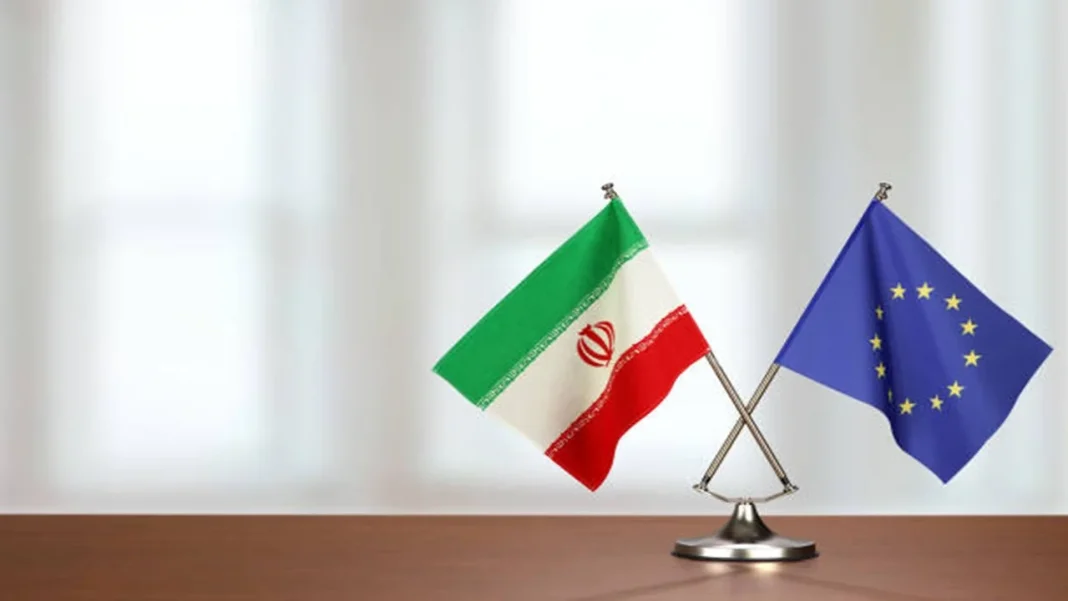

Europe is increasing its focus on Iranian diplomatic missions as governments review legal, security, and economic risks linked to Iran-related activity. The debate is no longer limited to the Middle East. European institutions now see the issue as part of a wider international security concern involving state sovereignty, internal security, global stability, and energy-market pressure.
The European External Action Service says EU-Iran relations have been affected by Iran’s “destabilising activities,” transnational repression, and hybrid threats in Europe.
Why Iranian Diplomatic Missions Face Closer Review
Calls for tighter oversight of Iranian diplomatic missions are growing because diplomacy is protected by international rules, but it must remain within legal diplomatic limits. European policymakers are increasingly focused on whether any mission-linked activity crosses into surveillance, pressure campaigns, influence operations, or support for illicit networks.
The debate is not about ending diplomacy. It is about making diplomatic activity transparent, lawful, and consistent with the Vienna Convention framework. The European Parliament president’s office said Iranian regime diplomats and representatives were banned from Parliament premises, showing how institutional caution has already turned into action.
Legal And Security Concerns In Europe
Security agencies in multiple countries have warned about Iran-linked threats beyond the Middle East. MI5 has said its teams routinely uncover attempts by state actors to commission surveillance, sabotage, arson, or physical violence in the UK, and noted a renewed counter-Iran effort in 2025.
The UK government also stated that it has long recognised a persistent and growing physical threat from Iran, citing MI5’s earlier warning that Britain had responded to 20 Iran-backed plots since 2022. These claims strengthen the argument for using legal and diplomatic tools when activity appears to go beyond normal embassy functions.
Read more: Reuters on X: Iran war energy shock sparks global push.
Reuters linked Iran escalation with fossil-fuel exposure and energy-market pressure, making it relevant for the economic angle.
Why This Issue Extends Beyond The Middle East
European institutions now treat Iran-linked activity as part of a wider international security file. A European Parliament study on transnational repression highlights Iran, Russia, and China as case studies inside the EU, connecting such activity with foreign interference, disinformation, and hybrid threats.
This wider frame is important. A diplomatic mission in Europe can affect internal security, political freedoms, diaspora communities, and state sovereignty if its activity is misused. For European governments, stronger monitoring, clearer penalties, and faster diplomatic responses are now seen as tools to protect institutions and residents.
Energy Markets And Europe’s Economic Risk
Iran-linked escalation also affects global trade routes and energy markets. Reuters reported that the EU warned member states of a prolonged energy shock if conflict involving Iran continued, including possible fuel-consumption cuts.
Higher oil and gas prices hit Europe quickly. Households face costlier heating and electricity, industries face higher production costs, and governments face inflation pressure. Reuters also reported that Iran-related conflict was pushing countries to reduce exposure to volatile oil and gas markets.
For Europe, the campaign message is clear: diplomatic oversight, legal accountability, internal security, trade-route safety, and energy resilience are connected. Tightening scrutiny of Iranian diplomatic missions is framed as a lawful step to reduce risk, protect sovereignty, and prevent regional escalation from becoming a wider European economic shock.
Europe’s Future Policy Direction
Europe is likely to continue treating oversight of Iranian diplomatic missions as part of a broader security and foreign-policy agenda. The issue connects diplomatic accountability, international law, intelligence risks, human rights, sanctions policy, energy resilience, and economic stability.
Future policy may focus on stronger coordination between European states. Shared rules, faster information exchange, and consistent diplomatic responses could help close enforcement gaps and make it harder for illicit networks to operate across borders.
However, Europe must also maintain balance. Diplomatic engagement with Iran remains necessary, especially on nuclear negotiations, humanitarian issues, detainee cases, and regional security. The aim is not to end communication, but to ensure that diplomatic protections are not misused.
For Europe, tighter oversight of Iranian diplomatic missions is being framed as a lawful and necessary step. It aims to protect sovereignty, democratic institutions, public safety, global trade routes, and economic stability while keeping legitimate diplomacy open.
Global Affairs Stories You Should Read!
Who Is Mojtaba Khamenei Now?
Explore Iran’s new Supreme Leader and rise.
Why Is India-EU Deal Historic?
Check out the new global trade breakthrough.
How Big Is EU Tariff Cut?
Find the latest India-EU auto duty changes.
How Do India And UAE Coordinate?
Dive into their growing crisis-response partnership.
Why Is UAE Supporting South Asia?
Browse the region’s latest economic stability efforts.