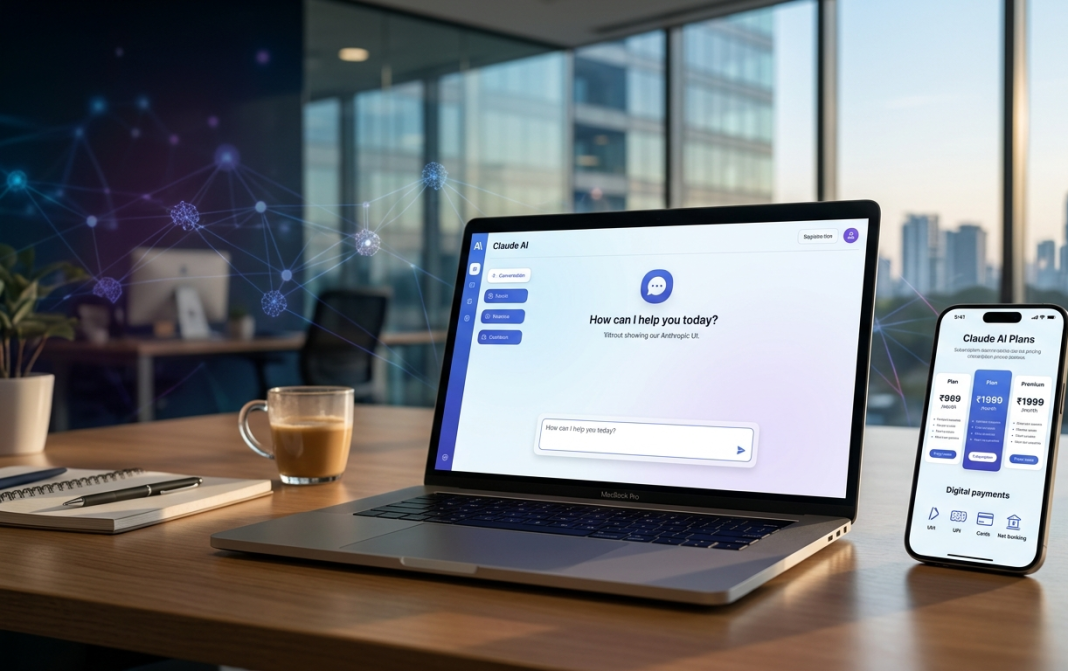

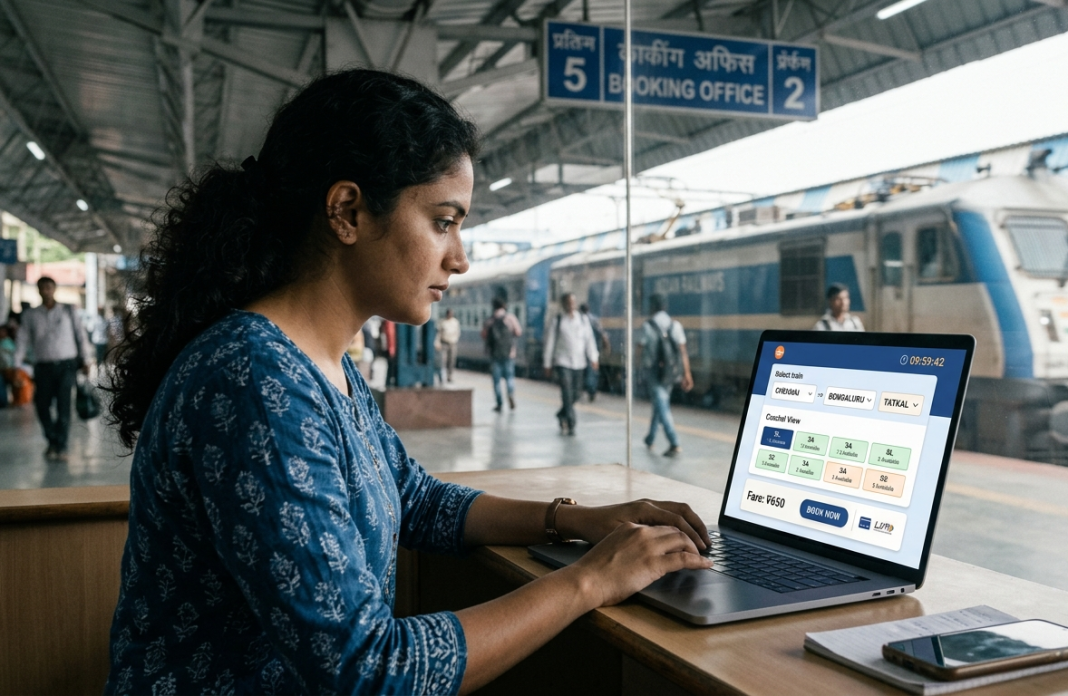

Anyone who has tried booking a Tatkal ticket at 10 am knows how quickly hope can turn into a frozen page. IRCTC’s redesigned website is expected to start reaching users around July 15, 2026, promising fewer interruptions, shorter booking steps, and a cleaner screen during the busiest reservation window.
Yet passengers should keep expectations measured. The July 15 change centres on a beta version of the website, while the fully functional portal still needs integration with Indian Railways’ upgraded Passenger Reservation System. Tatkal booking may feel smoother initially, but the biggest speed jump is likely to arrive gradually as the new reservation engine is rolled out.
What Has Changed On The New IRCTC Website?
The redesign followed complaints raised by students of MNIT Jaipur, who spoke about CAPTCHA delays, website clutter, and booking trouble. IRCTC and the Centre for Railway Information Systems later showed the beta portal to those students and asked for further feedback.
According to the Ministry of Railways’ official update, the beta version focuses on four visible changes:
- Unnecessary CAPTCHA, pop-ups, flashing graphics, and distracting elements are being reduced.
- Seat availability across different travel classes can appear together instead of requiring repeated searches.
- Checkout uses fewer steps, helping passengers move from train selection to payment more quickly.
- Saved passenger details should make repeat bookings easier, especially for regular travellers and families.
These changes target seconds that often disappear during Tatkal booking. A cleaner page cannot create additional berths, but it may reduce avoidable delays before payment confirmation.
Will Tatkal Booking Really Become Faster?
Yes, the website could feel faster because users will click through fewer screens and face fewer interruptions. That is useful during Tatkal, where AC-class booking opens at 10 am, and non-AC booking opens at 11 am, one day before the journey date, excluding the date of travel.
However, interface speed and booking capacity are not the same thing. The larger improvement comes from the new Passenger Reservation System, designed to process more than 1.5 lakh ticket bookings per minute, compared with about 32,000 earlier. Its enquiry capacity is planned to rise from 4 lakh to over 40 lakh enquiries per minute.
Those figures describe the upgraded reservation engine, not simply a fresh website design. When both layers work together, passengers should see fewer crashes, quicker searches, and better handling of sudden traffic. Until then, the July 15 beta may improve navigation without completely ending payment failures or seats disappearing mid-booking.
Why July 15 May Not Bring The Full-Speed Upgrade
The Ministry has said the revamped website is still being integrated with the reservation engine and that the fully functional portal will arrive in the coming months. Indian Railways has separately announced that shifting trains to the upgraded replacement for the 40-year-old PRS will begin in August.
This staged rollout explains the mixed reports around July 15. Some reports describe a public launch, while official wording points to a beta release followed by continued testing and integration. Passengers may therefore see the new layout in phases rather than everyone receiving every promised feature at once.
Another battle is happening behind the screen. Railways continue using anti-bot tools and authentication controls to stop automated bookings from swallowing Tatkal inventory. Aadhaar-authenticated users receive access under the existing Tatkal rules, while authorised agents remain restricted during the first 30 minutes of each opening window.
The official PIB India post on X explains the Aadhaar authentication, OTP verification, and agent-booking restrictions introduced to protect Tatkal inventory.
RailOne is also becoming part of the wider railway digital push. The Ministry said the app has crossed 4 crore downloads and combines ticketing, train enquiries, complaints, and other passenger services in one place.
How Travellers Should Prepare For Tatkal Booking
The redesign may save time, but preparation still decides whether a passenger reaches payment before the quota vanishes. Users should authenticate their IRCTC account, verify the linked mobile number, save passenger details correctly, and log in several minutes before bookings open.
Payment readiness is equally important. Keep a reliable UPI app or card available, avoid refreshing repeatedly, and check train numbers beforehand. The official IRCTC Tatkal booking guide remains the safest reference for booking steps, opening times, and quota rules.
The new IRCTC website is a welcome repair rather than a magic switch. July 15 can bring a cleaner, quicker booking path. Truly faster Tatkal performance will depend on how smoothly the beta portal, upgraded PRS, payment gateways, and anti-bot systems work together during the morning rush.
Frequently Asked Questions
Will the new IRCTC website guarantee confirmed Tatkal tickets?
No, confirmation still depends on berth availability, passenger demand, booking timing, and successful payment completion.
Is the complete IRCTC upgrade launching on July 15?
The beta interface may launch first, while full reservation-engine integration will continue over the coming months.
Will passengers face fewer CAPTCHA on the new portal?
Yes, IRCTC plans to remove unnecessary CAPTCHA checks, intrusive pop-ups, flashing graphics, and distracting elements.
Does the new website increase available Tatkal seats?
No, it improves booking flow and capacity, but does not automatically add seats to trains.
Should users link Aadhaar before booking Tatkal tickets?
Yes, Aadhaar authentication supports Tatkal access rules and helps genuine passengers compete against automated bookings.