
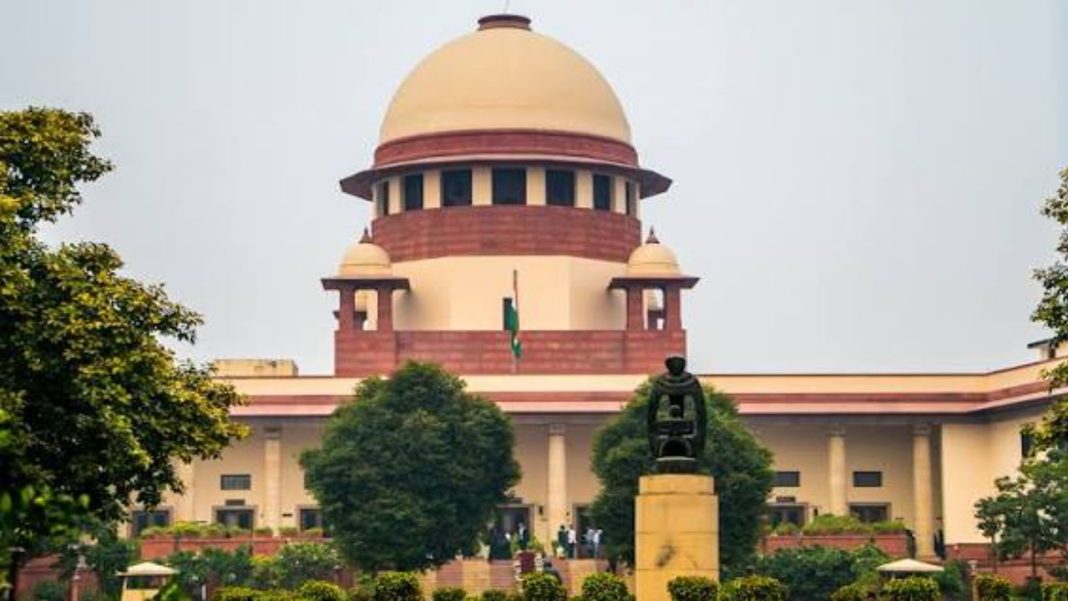

The Supreme Court on August 18 pushed the July 20 “Sansad Chalo” dispute into a new phase, saying preserved video material from the Delhi protest should be handed to a judicial high-powered committee. The panel will examine the footage alongside complaints of police excesses, protest violence and alleged targeting of women demonstrators, according to The Indian Express.
The case grew out of the student-led march towards Parliament over examination paper leaks and demands for accountability. A Bench of Chief Justice Surya Kant and Justices Joymalya Bagchi and V Mohana is hearing connected petitions from Delhi and several states. Dharmendra Pradhan resigned as Education Minister on July 25 after weeks of youth protests.
What Did The Supreme Court Say About The July 20 Footage?
During Tuesday’s hearing, the Court said the earlier preservation directions would continue and authorities would be asked to transfer the material to the committee. The Supreme Court’s July 28 order covers CCTV recordings, drone footage, body-worn camera videos, police videography, wireless communications and PCR logs.
The evidence can show where barricades were breached, when force was used and whether viral clips match official records. LiveLaw’s hearing updates reported that the Court also spoke of appointing nodal officers so material can reach the panel in an organised manner.
The Court had already observed on July 28 that the allegations made out a prima facie case for an independent and impartial investigation. It also ordered preservation of digital evidence and protected certain student protesters from coercive action.
What Will The High-Powered Committee Examine?
Lawyers raised questions about police tactics, protester behaviour, women’s safety and technology used after the march. The Court has indicated that these competing allegations should be tested through the preserved evidence.
Key issues before the panel include:
- Whether the force used by police was proportionate to the situation on the ground.
- Whether women protesters faced assault, harassment or improper use of lathis during crowd control.
- Whether pellet guns, rubber bullets, electronic batons or other disputed weapons were deployed.
- Why plain-clothes police personnel were present and whether officers should have carried visible identification.
- Whether violent acts came from students, alleged infiltrators, organised groups or different sections of the crowd.
- How facial-recognition technology was used to identify people after the protest and what safeguards applied.
Counsel also sought attention to alleged pellet injuries and compensation. The Supreme Court has separately indicated that it may frame a protocol on pellet-gun use by law-enforcement agencies.
An official Press Trust of India post on X had earlier tracked the Supreme Court proceedings arising from the July 20 march, including the Court’s decision to hear a plea seeking action against organisers.
What Are Delhi Police And Protesters Saying?
Delhi Police has denied using excessive force. In its Supreme Court affidavit, it said personnel showed “maximum restraint” and used only the force required after the crowd crossed barricades while attempting to move towards Parliament. Police also maintained that the march had no permission.
The affidavit further alleged that “anti-social elements” and people with criminal histories entered the gathering. Delhi Police said more than 240 personnel were injured, and Bar & Bench reported that the force was willing to have its actions examined by a court-appointed panel.
Petitioners tell a different story. Their lawyers have pointed to alleged pellet injuries, assaults on women, action by officers in plain clothes and questions over name tags. Some have argued that visible evidence concerning individual officers should trigger action without waiting for the entire inquiry to finish.
The committee will compare competing claims against original footage, deployment records, medical documents, FIRs and police logs.
What Happens Next In The Sansad Chalo Case?
The Court said it is constituting a judicial high-powered committee and is finalising the issues it will examine. LiveLaw reported that the proposed body could include a former Supreme Court judge, a former High Court judge and a retired senior police officer. The Chief Justice also referred to retired investigative officers whose consent had been obtained, while lawyers suggested adding a woman member or a gender-focused sub-committee.
The Bench is also considering which FIRs involving students may be closed or quashed, how alleged violent infiltrators should be separated from peaceful protesters and whether facial-recognition practices raise constitutional questions.
The next order will be closely watched because it can define the panel’s membership, powers and terms of reference. For the July 20 clash, that turns preserved footage from a background record into the central evidence on which accountability may finally rest.
FAQs
1. What footage will the committee examine?
CCTV, drone, body-camera, police videography and related digital records preserved after the July 20 protest.
2. Will allegations involving women protesters be examined?
Yes, the Court specifically indicated complaints involving women protesters should form part of the inquiry.
3. Has Delhi Police admitted using excessive force?
No, Delhi Police says personnel exercised restraint and used only required force during violent confrontation.
4. Will the committee examine violence by protesters too?
Yes, the panel can review the full sequence, including alleged violence by protesters and infiltrators.
5. Could FIRs against peaceful students be withdrawn?
The Court is considering eligible student cases while excluding people accused of serious offences from relief.