
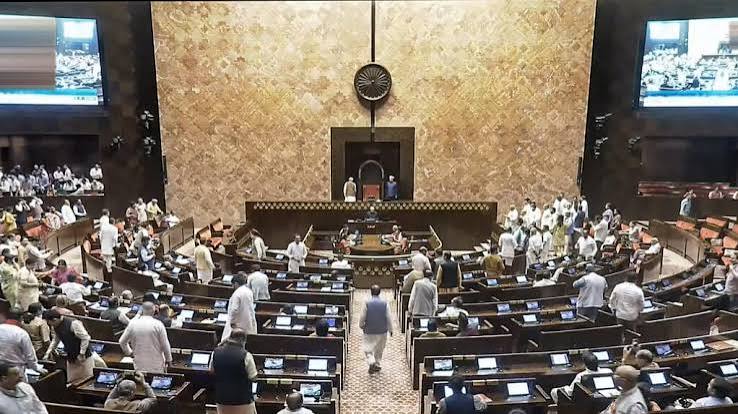

The Lok Sabha has again given more time to the panel examining the One Nation One Election Bills. On July 29, 2026, the House allowed the committee to submit its report by the first day of the final week of the Winter Session. The earlier deadline fell during the Monsoon Session.
The delay does not mean the proposal has been dropped. It shows that Parliament’s review has reached a difficult stage where constitutional wording, political objections and election logistics must be examined together. The panel, chaired by BJP MP P.P. Chaudhary, is studying changes that could reshape Lok Sabha and state assembly elections.
What Did The Lok Sabha Approve This Time?
P.P. Chaudhary moved the extension motion, which was adopted by voice vote. The panel now has time until the closing phase of the Winter Session in 2026. A similar extension in March had shifted the deadline to the Monsoon Session.
This is not the first postponement. The committee was formed after the Constitution (One Hundred and Twenty-Ninth Amendment) Bill, 2024, and the Union Territories Laws (Amendment) Bill, 2024, were referred for review in December 2024. Its timetable later moved to the Monsoon Session of 2025, Winter Session of 2025, Monsoon Session of 2026, and now the Winter Session of 2026.
The latest update was also posted by Akashvani News on X, an official public broadcaster account.
Why Is The Parliamentary Report Still Pending?
The main reason is the scale of consultation. The committee has heard legal experts, former judges, economists, the Election Commission, the Law Commission, universities, political representatives and civil society groups. The official parliamentary committee schedule records meetings across 2025 and 2026.
Consultations have also moved beyond Delhi. A Lok Sabha Secretariat release said the panel had completed outreach in Maharashtra, Uttarakhand, Punjab, Himachal Pradesh, Haryana, Karnataka, Gujarat and Goa by July 2026, with Uttar Pradesh next.
Several questions remain:
- How should assembly terms be aligned without weakening elected state governments?
- What happens when the Lok Sabha or an assembly falls before completing five years?
- Can a mid-term election cover only the remaining part of the common cycle?
- What safeguards apply if one state election cannot be held with the national poll?
- How many voting machines, security personnel and officials would simultaneous polling require?
The report may also record disagreement among parties. Supporters cite lower recurring costs and fewer Model Code disruptions. Opposition parties argue that synchronisation could reduce state autonomy and push regional contests beneath national campaigns.
What Constitutional Changes Are Being Examined?
The Constitution Amendment Bill proposes that the President may notify an “appointed date” after a general election. Assemblies formed after that date would end with the Lok Sabha’s term, allowing future elections together.
If the Lok Sabha or an assembly is dissolved early, the replacement House would serve only the unexpired part of the five-year cycle. The Bill also permits the Election Commission to recommend postponing a state election, though critics question the absence of a clear time limit.
These clauses explain why the exercise is not a simple calendar change. The panel must examine federalism, voter choice, government stability, no-confidence motions, anti-defection rules and the constitutional position of states.
Why Is The 2029 Timeline Trending?
Chaudhary said in July that the panel was working towards a framework that could make simultaneous elections possible around the 2029 Lok Sabha polls. That remains an ambition, not a confirmed schedule. Parliament must first receive the report, debate the Bills and secure constitutional support.
What Happens After The Committee Submits Its Report?
The report may recommend approving the Bills, changing clauses or adding safeguards. Members can attach dissent notes. The government must then decide whether to revise the legislation before seeking passage in both Houses.
The Winter Session deadline keeps the proposal alive, but it also raises scrutiny. Another extension would invite questions about consensus and readiness. A completed report would begin the harder phase: turning a political promise into constitutional text that can survive parliamentary debate and possible judicial review.
Frequently Asked Questions
Why was the One Nation One Election panel extended again?
The panel needs more time for consultations, legal review, logistics planning and drafting recommendations carefully.
When is the committee expected to submit its report?
It must report by the first day of Parliament’s final Winter Session week in 2026.
Which Bills is the parliamentary committee examining?
It examines the 129th Constitution Amendment Bill and the Union Territories Laws Amendment Bill, 2024.
Can One Nation One Election begin automatically in 2029?
No, Parliament must pass required laws before any nationwide simultaneous election schedule can legally begin.
Why are opposition parties questioning the proposal?
They fear shortened assembly terms, weaker federalism, and national campaigns overshadowing regional political issues significantly.