
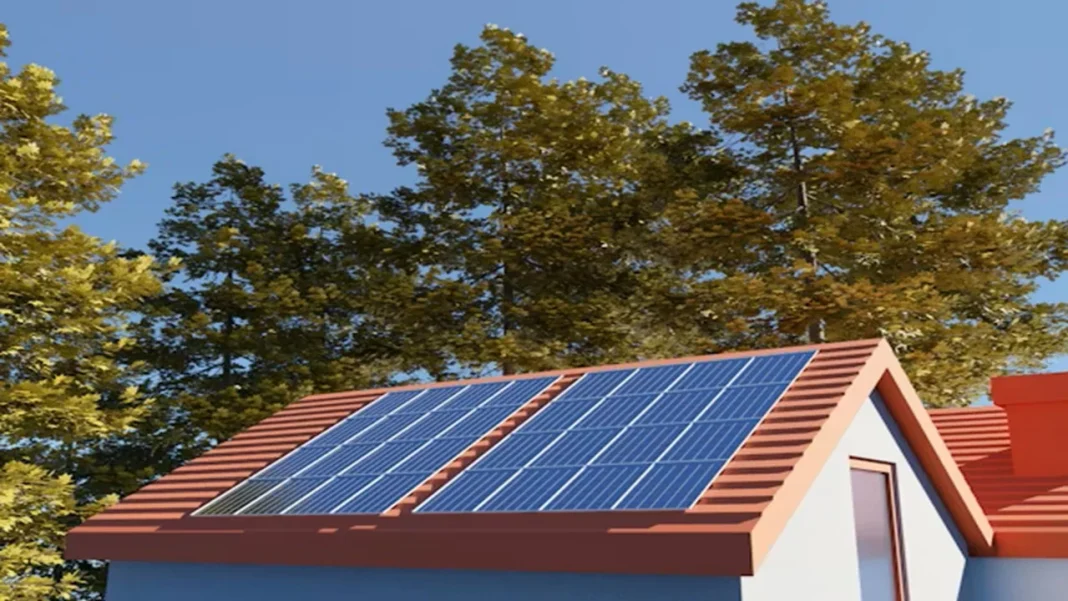

PM Surya Ghar: Muft Bijli Yojana is moving fast in 2026, so households are paying closer attention. The scheme is for residential rooftop solar, offers subsidy support up to 3 kW, and runs through the national portal. By March 2026, the government said the programme had reached 26 lakh installations with ₹17,967 crore in support, showing wider adoption.
Who Can Apply Under PM Surya Ghar
Eligibility is simple but strict. The applicant must be an Indian citizen, must own a house with a roof suitable for solar panels, must have a valid electricity connection, and must not have already taken another subsidy for solar panels. The scheme is for residential consumers. Official guidelines also make it clear that non-residential users are not covered under this subsidy component.
How To Apply Online Without Missing A Step
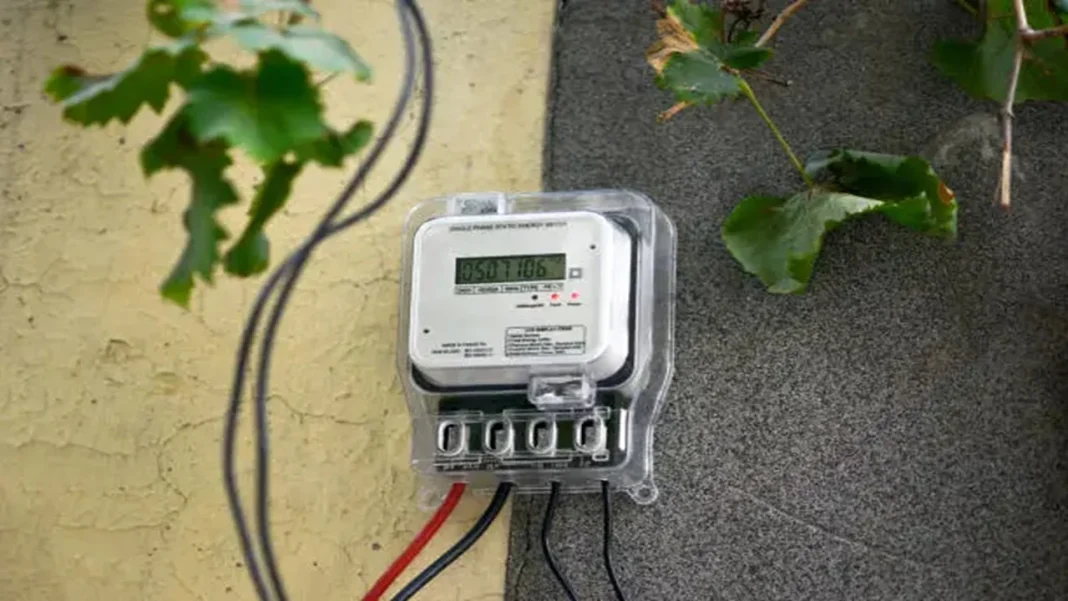
The official flow starts on the PM Surya Ghar portal. First, register and select your state and DISCOM. Then log in, apply for rooftop solar, wait for feasibility approval, install the plant through a registered vendor, submit plant details, apply for net metering, and complete inspection. After the commissioning report is generated, upload bank details and a cancelled cheque. The government has said the subsidy is to be transferred to the bank account within 30 days after this stage.
Check Vendor Status Before Paying Anything
The portal includes vendor information, and empanelled vendor lists are publicly visible. That matters because vendor quality and compliance can affect approvals and subsidy release. The PM Surya Ghar handles and agencies like UPNEDA post updates for applicants.
Subsidy Benefits And Why Interest Is Growing
The subsidy structure remains a major reason for demand. The government’s stated support works out to ₹30,000 for 1 kW, ₹60,000 for 2 kW, and ₹78,000 for 3 kW or higher, with subsidy capped at 3 kW. A household consuming up to 300 units a month can also target lower bills and possible savings of about ₹15,000 a year on a 3 kW system, according to the PIB explainer. There is also access to low-interest loans for residential systems up to 3 kW.
Big updates at a glance.
How Much Has PM-KISAN Paid?
Check total payout and impact.
Why UP Stopped Smart Meter Rollout?
Explore new rules and alerts.
Is Your Aadhaar Biometrics Really Safe?
Discover latest scam warnings.
What Will Vijay Announce April 16?
Check key manifesto highlights.
What Is Census 2027 Self Enumeration?
Explore digital census changes.
What To Be Careful About Before You Apply
Do not treat the subsidy as instant cash. It comes after feasibility approval, installation, net metering, inspection, commissioning, and bank verification. Be careful with fake promises such as guaranteed early approval, “double subsidy,” or vendor pressure to bypass the portal. Also check your sanctioned load and actual consumption before choosing system size.
In Maharashtra, the utility said approvals are linked to sanctioned load, usage history, and technical checks, and it flagged alleged misuse where oversized systems were later shifted to commercial use. Use only the official portal and official updates for decisions.
FAQs
Who can get the PM Surya Ghar subsidy?
Indian homeowners with electricity connections and suitable rooftops may apply without any earlier solar subsidy.
How much subsidy is available now?
Maximum subsidy is ₹78,000, depending on system size, with support capped at 3 kW.
Is the subsidy paid in advance?
No. It is credited after installation, inspection, commissioning, and bank details submission through the portal.
Can I choose any solar installer?
Choose a registered vendor because non-compliant installation can delay approval, net metering, and subsidy release.
Where should I follow official updates?
Use the PM Surya Ghar portal, MNRE releases, PIB updates, and official scheme social handles.