

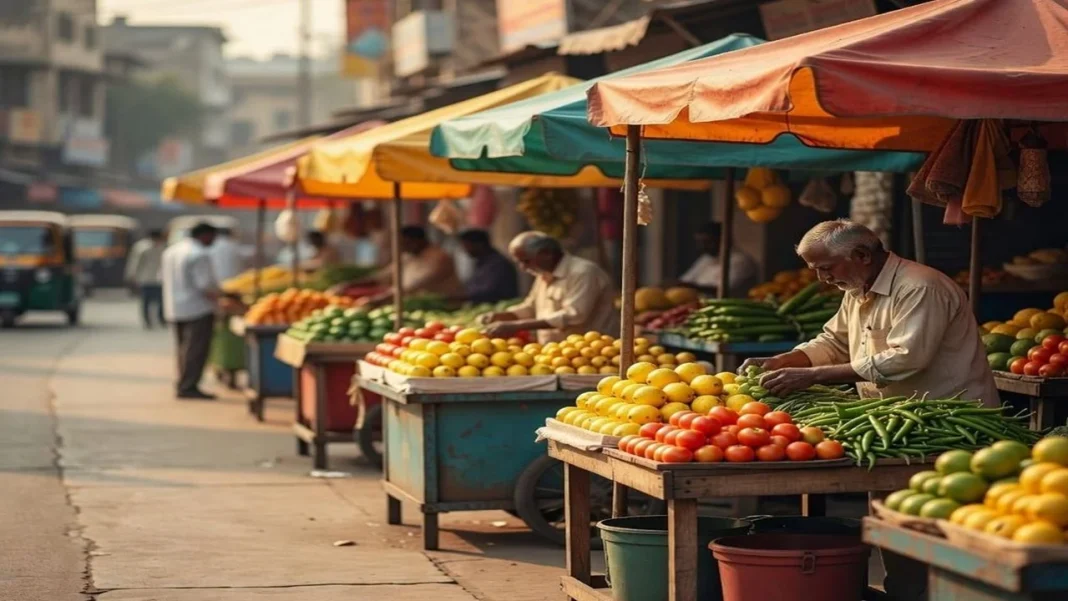

If a street vendor wants quick working capital in 2026, PM SVANidhi is still one of the strongest government-backed options on the table. But one update needs to be stated right at the start: after the scheme restructuring approved in August 2025, the active loan tranches are now ₹15,000, ₹25,000, and ₹50,000. The lending period has also been extended till March 31, 2030.
That change is important because many people still search with the older ₹10,000 slab in mind. In 2026, vendors who repay on time can move up step by step, earn a 7 percent annual interest subsidy, and even access a UPI-linked RuPay Credit Card up to ₹30,000 after successful second-tranche repayment.
What PM SVANidhi Offers In 2026
PM SVANidhi was launched for street vendors who usually struggled to get formal credit and often depended on costly informal borrowing. In its present form, the scheme gives collateral-free working capital support in three progressive stages and keeps digital payments at the centre. The latest official updates say the scheme now aims to cover 1.15 crore beneficiaries, including 50 lakh new beneficiaries, with the extended framework running till 2030.
The current support structure includes:
- First loan: up to ₹15,000
- Second loan: up to ₹25,000
- Third loan: up to ₹50,000
- Interest subsidy: 7 percent per annum for timely repayment
- Extra gain: higher next tranche for good repayment track
- Digital push: cashback support on eligible digital transactions
- Card option: UPI-linked RuPay Credit Card up to ₹30,000 for eligible vendors
This is one reason the scheme keeps showing up in policy conversations around small urban livelihoods. A fresh PIB release published at the end of May 2026 said more than 75.5 lakh beneficiaries have already availed over 1.12 crore loans, with disbursals crossing ₹17,800 crore.
Who Can Apply, and Which Documents Usually Help
The scheme is meant for people selling goods or offering services on streets, pavements, footpaths, carts, temporary stalls, or by moving from place to place. The official examples include vegetable sellers, fruit vendors, ready-to-eat food sellers, barbers, cobblers, and laundry workers.
A vendor with a valid Certificate of Vending (CoV) or Letter of Recommendation (LoR) can apply through the scheme portal or mobile app. If a person does not already have these papers, local bodies and authorised field channels may still help with the process, especially where LoR support is available. The official material also points to Aadhaar and other KYC records as commonly used documents during the application.
A Small But Useful Detail
The average loan approval timeline mentioned in the latest official explainer is about 23 days, subject to verification and completion of formalities. That may not feel instant, but it is still faster than the old routine many vendors had to follow through private lenders or informal borrowing circles.
How Street Vendors Can Apply Online
The online route is fairly direct now. A vendor can apply through the PM SVANidhi scheme portal, the mobile app, or take help from ULBs, CSCs, SHGs, BCs, MFIs, or lender-linked field staff, depending on what is available locally. Official releases confirm that the portal was built for direct applications and that the mobile app allows vendors to apply for both loan and LoR, while also checking status and cashback history.
A simple flow usually looks like this:
First, keep Aadhaar-linked mobile access ready. Then check whether CoV or LoR is already available. After that, open the official scheme route and fill in personal, vending, and bank details. Upload the required papers, complete e-KYC where asked, and submit. Once the lender or local authority finishes verification, the case moves to sanction and disbursal.
More Money Tips You Shouldn’t Miss
Caught In The EMI Trap?
Uncover the hidden charges many card users never see coming.
Which Cashback Card Pays More?
Check out the top cashback cards for smarter spending.
Is Your Credit Score Healthy?
Find simple ways to understand and improve your score.
Need An APAAR ID Card?
Get to know the quick steps to download it easily.
Form 97 Replaced Form 60?
Look into the new rules before your next big purchase.
Why PM SVANidhi Is Still Trending In 2026
The big reason is not only the loan size. It is the ladder effect. A vendor does not stay stuck at one level if repayment stays clean. That creates a growth path: stock more goods, buy better raw material, shift from daily cash stress to planned working capital, and start using digital payments with actual incentives attached.
Another reason is the wider government push around inclusion. The 2025 restructuring did not simply extend the scheme. It expanded reach beyond statutory towns in a graded way and added the UPI-linked credit card piece for eligible borrowers. That has made PM SVANidhi more than a post-pandemic relief line. It is now being pitched as a long-term channel for urban livelihood support.
FAQs
1. Is PM SVANidhi still active in 2026?
Yes, the restructured scheme continues, and lending has been extended till March 31, 2030, officially.
2. What is the first PM SVANidhi loan amount now?
The first tranche is now ₹15,000, replacing the older ₹10,000 slab after restructuring approval.
3. Can vendors apply without collateral under this scheme?
Yes, PM SVANidhi offers collateral-free working capital loans to eligible street vendors across India.
4. How much interest subsidy does the scheme provide?
Eligible borrowers can receive a 7 percent annual interest subsidy for timely or early repayment.
5. How can applicants track their loan status?
They can use the official portal or mobile app to check application progress updates.