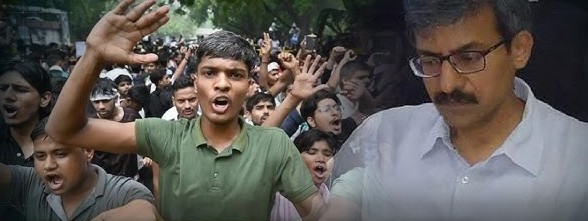
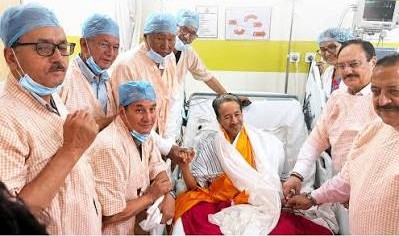

Sonam Wangchuk ended his 26-day hunger strike late on July 23 after Union ministers JP Nadda and Jitendra Singh visited him at Medanta Hospital in Gurugram. The Ladakh-based educator said long negotiations produced written commitments on three concerns raised by students protesting examination paper leaks. He also urged supporters to prevent violence as anger continued across Delhi and other cities.
The fast may be over, but the protest has not closed. The Cockroach Janta Party, or CJP, said it would continue demanding Union Education Minister Dharmendra Pradhan’s resignation. Wangchuk’s decision shifts the campaign from a life-threatening fast towards parliamentary debate, compensation and legal protection for peaceful demonstrators.
How The 26-Day Fast Reached Its Turning Point
Wangchuk began fasting on June 28 at Jantar Mantar, joining young protesters seeking accountability over alleged NEET irregularities and repeated paper leaks. As the agitation grew, opposition parties backed the students, demonstrations spread, and Parliament saw disruptions over the demand for Pradhan’s resignation. Reuters reported that the leak affected about two million students and triggered a major youth-led challenge for the Modi government.
His health worsened during the strike. He was removed from Jantar Mantar, taken to Safdarjung Hospital and later shifted to Medanta following court proceedings initiated by his wife. Reports said he lost around 11 kilograms, yet refused food until the government addressed the protesters’ immediate concerns.
Wangchuk broke the fast in the presence of Nadda, Singh and senior leaders from Ladakh’s Apex Body. PTI’s official X report confirmed the development. In his own post, Wangchuk called it the “end of hunger” and the “beginning of accountability.” He said 65 MPs had visited him or signed appeals asking him to protect his health and continue the campaign through democratic routes.
What Assurances Did The Government Give Protesters?
The agreement did not meet every CJP demand, but it covered three points Wangchuk described as urgent. According to his video and reports detailing the written assurances, the Centre committed to the following:
- No FIRs or legal action against students and youths who protested peacefully at Jantar Mantar or joined the July 20 Sansad Chalo march.
- Appropriate compensation for families of students who died by suicide following the recent NEET paper leak controversy.
- A full discussion in Parliament on examination failures, responsibility within the education system and steps needed to prevent another paper leak crisis.
These commitments gave Wangchuk a reason to stop before his health deteriorated further. The legal-protection promise was especially important because criminal cases can damage a student’s education, employment and travel prospects long after a protest ends. He said shielding young participants carried greater urgency than extending his fast solely over one minister’s resignation.
The compensation assurance also carries emotional and political weight. Protest leaders had sought ₹1 crore for each affected family, although the government used the broader phrase “appropriate compensation.” That leaves the amount, eligibility process and payment schedule unresolved. The parliamentary debate may similarly become useful only when it produces named responsibility, examination safeguards and deadlines rather than speeches alone.
Why The Student Protest Is Not Over Yet
The greatest unresolved demand is Dharmendra Pradhan’s resignation. Wangchuk said the ministers could not assure him when, or whether, that would happen. He chose not to keep risking his life over that point, arguing that the government would carry the political cost if accountability remained absent. CJP founder Abhijeet Dipke, however, said the movement would continue until Pradhan stepped down.
The protests have moved beyond one examination. Young demonstrators have linked paper leaks with unemployment, recruitment delays, policing and falling trust in testing agencies. Reuters reported gatherings in Ranchi, Pune, Kolkata and Thiruvananthapuram, while central Delhi saw metro closures and blocked mobile data around protest areas. Local businesses also reported trouble receiving digital payments during the shutdown.
What Happens After Wangchuk’s Fast?
The next test is whether the government converts assurances into action. Protesters will watch for FIR withdrawals, a compensation framework and a scheduled parliamentary debate. They will also seek details on proposed fast-track courts and tougher punishment for paper leaks. NDTV reported that the education secretary had been removed and a fast-track court formed, but protesters still want responsibility fixed higher up.
Wangchuk’s fast ended a dangerous personal chapter, not the wider confrontation. The government has gained space for dialogue, while the student movement secured written commitments and national attention. Whether that lowers tension will depend on speed, documentation and follow-through. For protesters, breaking the fast was not withdrawal. It was a move from physical sacrifice to checking whether promises are honoured.
Frequently Asked Questions
When Did Sonam Wangchuk End His Hunger Strike?
He ended the 26-day fast late on July 23 at Medanta Hospital after ministerial negotiations concluded.
What Was The Main Government Assurance?
Peaceful protesters would face no new FIRs or retaliatory legal action linked to their demonstrations.
Did The Government Accept Pradhan’s Resignation Demand?
No assurance was given on Dharmendra Pradhan’s resignation, so CJP plans continued peaceful street protests.
Will Families Of Deceased Students Receive Compensation?
The Centre promised appropriate compensation, though amounts, eligibility rules and payment dates remain unannounced publicly.
What Will Happen In Parliament Next?
MPs are expected to debate examination accountability, paper leaks, reforms and prevention measures in Parliament.