
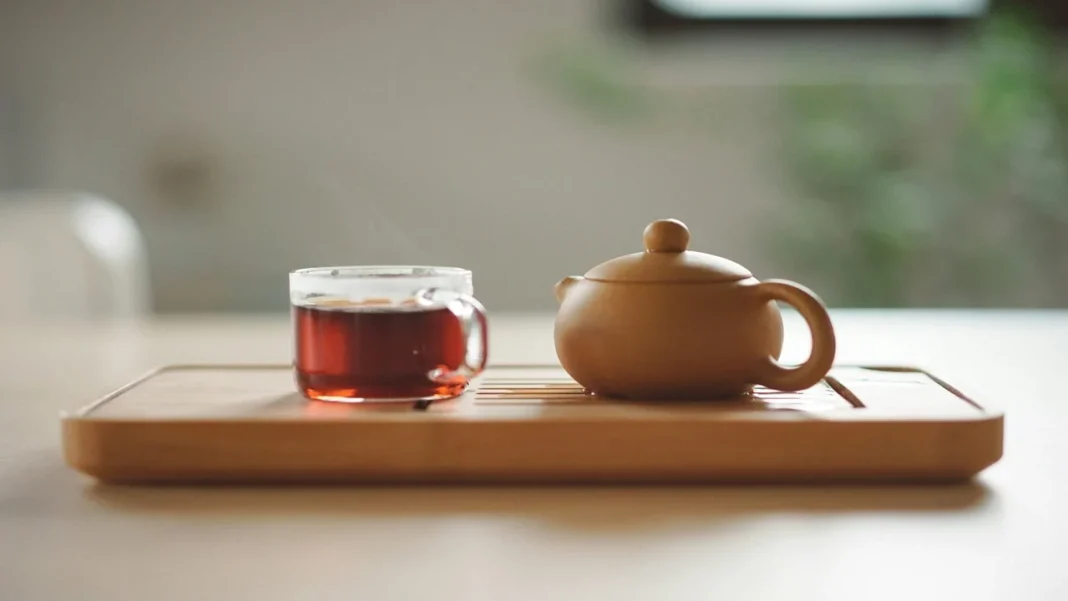

That cup of chai straight after lunch may need a little rescheduling. Tea and coffee contain compounds that interfere with iron absorption, particularly from plant-based foods such as dal, chickpeas, and leafy vegetables.
India’s ICMR-National Institute of Nutrition advises keeping at least an hour between meals and these beverages. A study published in February 2026 has added Indian evidence linking heavier tea consumption with poorer haemoglobin improvement among women receiving iron treatment.
Key Highlights
- ICMR recommends avoiding tea and coffee for at least one hour before and after meals.
- A 2026 Mumbai study linked greater tea consumption with poorer haemoglobin improvement.
- A controlled trial found iron absorption of 3.6% with tea during a meal versus 5.7% when tea followed one hour later.
- People with iron deficiency, pregnant women and those taking iron supplements need particular care.
How Tea And Coffee Affect Iron Absorption From Meals
Iron in food comes in two forms. Haem iron, found in meat and fish, is generally absorbed more readily. Non-haem iron comes from foods including beans, lentils and vegetables.
Tea contains tannins and other polyphenols that bind to non-haem iron during digestion. Coffee contains similar inhibitory compounds, including chlorogenic acids. The result is less iron becoming available for absorption.
For someone eating rajma chawal or dal with vegetables, the timing of a strong cup of chai may therefore be relevant.
The US National Institutes of Health also identifies vitamin C as a factor that improves non-haem iron absorption.
India has a wider reason to pay attention. An April 2025 government report cited NFHS-5 findings showing anaemia in 67.1% of children aged 6–59 months and 59.1% of adolescent girls. Those figures come from the 2019–21 survey, not a new 2025 survey.
Anaemia has several causes, however. Drinking tea alone does not establish that someone has iron deficiency.
What Research Found In 2026 And Earlier Trials
Researchers from Mumbai’s Lokmanya Tilak Municipal Medical College examined tea and coffee habits alongside haemoglobin changes in women undergoing oral iron treatment.
Their study, published on 27 February 2026, interviewed 380 anaemic women. Among 160 participants identified with iron-deficiency anaemia, 136 drank tea, and 24 drank coffee.
Higher tea consumption was significantly associated with poorer haemoglobin improvement (p=0.003). Average improvement during treatment was 0.58 g/dL.
The research was observational. It did not establish that tea caused the poorer response or isolate the effect of drinking it immediately after meals. The coffee group was too small for firm conclusions.
Earlier controlled experiments offer more direct evidence.
A 2017 study involving 12 women compared iron absorption when participants drank water, tea alongside porridge, or tea one hour afterwards.
Iron absorption averaged 5.7% with water, 3.6% with tea during the meal, and 5.7% when tea was delayed by an hour.
This was a small, short-term absorption experiment, not proof that postponing tea will cure anaemia.
How Long Should You Wait After Eating?
The ICMR-NIN Dietary Guidelines for Indians recommend avoiding tea and coffee at least one hour before and after meals.
There is one complication. An earlier controlled coffee study found that coffee consumed an hour after eating still inhibited non-haem iron absorption. A longer gap may be preferable for people managing iron deficiency.
A practical approach:
- During meals: Drink water rather than tea or coffee.
- After lunch or dinner: Wait at least one hour; a two-hour gap offers extra separation.
- With iron-rich foods: Include lemon, amla, or guava for vitamin C.
- With prescribed iron tablets: Follow medical instructions and keep coffee or tea away from the dose.
For example, someone finishing lunch at 1 PM could move their afternoon chai to 3 PM without giving it up.
Who Should Be More Careful About Post-Meal Chai?
The World Health Organization’s anaemia guidance advises avoiding drinks that interfere with iron absorption when consuming iron-rich foods.
Greater care is particularly relevant for:
- Pregnant women: Iron requirements rise during pregnancy, making adequate intake and medical follow-up particularly important.
- Women with heavy periods: Regular blood loss may contribute to iron deficiency.
- Vegetarians: Plant-based diets depend more heavily on non-haem iron.
- People taking iron supplements: Tea and coffee may interfere with treatment-related iron absorption.
There is no need for everyone to abandon chai. The better adjustment is often when it is consumed.
FAQs
Is Drinking Tea Immediately After Meals Harmful?
Tea is not automatically harmful after eating, but its polyphenols can reduce non-haem iron absorption. The concern is greater for people with iron deficiency.
Does Coffee Reduce Iron Absorption More Than Tea?
Both interfere with non-haem iron absorption. Their effects depend on beverage strength and meal composition, so neither drink has one fixed inhibition percentage.
Can I Drink Green Tea After Lunch?
Green tea also contains polyphenols that inhibit iron absorption. People concerned about low iron should avoid drinking it alongside meals and allow some time afterwards.
Does Adding Milk To Tea Prevent Iron Absorption Problems?
No. Adding milk does not eliminate tea’s iron-binding compounds. Milk also contains calcium, which may interfere with iron absorption under certain dietary conditions.
Can Avoiding Tea After Meals Cure Anaemia?
No. Changing tea timing may help dietary iron absorption, but anaemia requires an assessment of its cause and sometimes supplements or other prescribed treatment.
Discover More Health Tips, Food Stories And Nutrition Updates!
1. Could Vitamin D Deficiency Affect You?
Check out the causes, symptoms and prevention of vitamin D deficiency in India.
2. Where Are Udaipur’s Best Lakeside Cafes?
Explore the best lake-view cafes and restaurants in Udaipur for a scenic dining experience.
3. Craving South Indian Flavours In Mumbai?
Discover 10 authentic South Indian restaurants in Mumbai serving delicious regional favourites.
4. Which Protein Snacks Are Worth Buying?
Find the best protein snacks in India with practical buying tips for healthier snacking.
5. What’s New In Poshan Maah 2026?