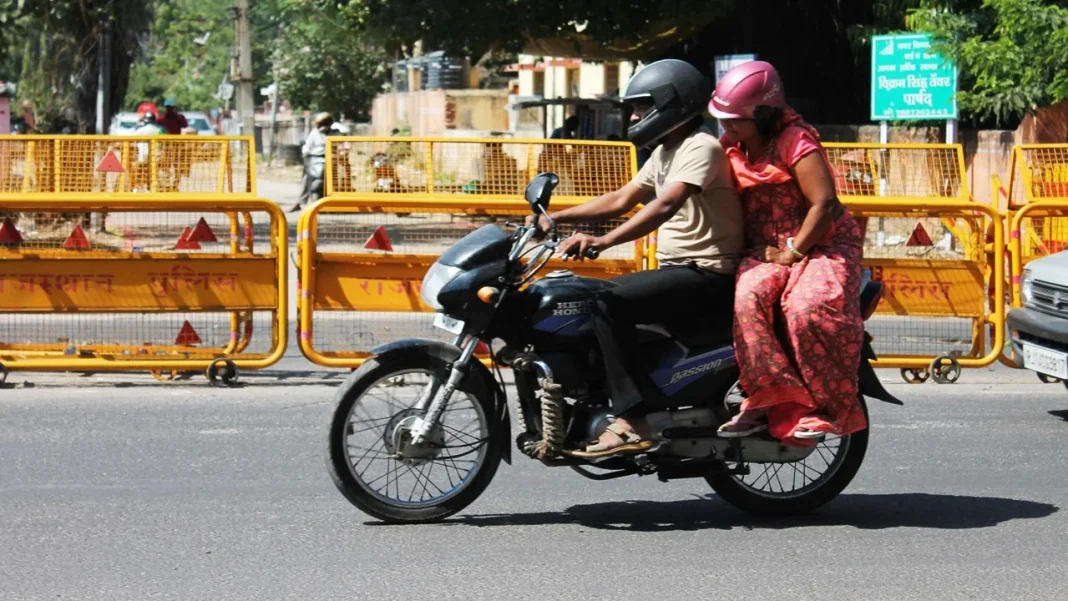



India receives strong sunlight across most regions for much of the year. Still, vitamin D deficiency is regularly detected among children, office workers, women, older adults, and even people who spend some time outdoors. Indian medical reviews have reported deficiency across a wide range of population groups, though the exact percentage changes with location, age, laboratory cut-offs, and study design.
The contradiction is easier to explain than it first appears. Sunshine available outside does not automatically become vitamin D inside the body. Indoor jobs, covered travel, darker skin pigmentation, air pollution, limited dietary sources, obesity, ageing, and certain medical conditions can reduce vitamin D production or absorption.
India Vitamin D Deficiency is therefore not only caused by a shortage of sunshine. It is closely connected with daily routines, food choices, urban living, health conditions, and how much skin receives direct ultraviolet B rays.
Why Does A Sunny Country Still Have Low Vitamin D Levels?
The skin produces vitamin D when ultraviolet B, or UVB, rays reach it. Yet many Indians leave home early, travel in covered cars, buses, or metro trains, spend eight to ten hours indoors, and return after sunset. A city may look bright all day while its residents receive very little useful UVB exposure.
Glass creates another common problem. Sitting beside a sunny office or car window may feel warm, but ordinary glass blocks most of the UVB rays required for vitamin D production.
Melanin also affects the process. Darker skin contains more melanin, which provides natural protection against ultraviolet radiation but can slow vitamin D synthesis. This does not mean people with darker skin should remain in intense sunlight for long periods. The required exposure varies with skin tone, season, location, clothing, age, pollution, and the amount of skin exposed.
Polluted air may further reduce the UVB reaching ground level. Long commutes, heat, covered clothing, cultural dress, fear of tanning, and growing dependence on indoor entertainment also limit outdoor exposure.
A person who walks for ten minutes before sunrise and then works beside a glass window cannot assume that enough vitamin D has been produced. These small lifestyle details help explain India Vitamin D Deficiency more accurately than the country’s annual sunshine figures.
Who Is More Likely To Develop Vitamin D Deficiency?
Anyone can have low vitamin D, but some groups face a higher risk. The National Institutes of Health vitamin D fact sheet identifies limited sunlight, darker skin, older age, obesity, and poor intestinal absorption among recognised risk factors.
People who may need closer medical attention include:
- Office employees, students, night-shift workers, and people who rarely spend time outdoors.
- Older adults, because ageing skin produces vitamin D less efficiently.
- Pregnant women, infants, adolescents, and postmenopausal women.
- People with obesity, since vitamin D may become less available inside body tissues.
- Patients with coeliac disease, Crohn’s disease, kidney disease, liver disease, or bariatric surgery.
- People taking medicines that interfere with vitamin D processing inside the body.
Symptoms are often difficult to identify. Tiredness, muscle weakness, cramps, bone discomfort, low mood, or repeated body aches may occur, but these complaints can also have several unrelated causes. Some people experience no obvious symptoms until a blood test shows low levels.
Severe or prolonged deficiency can weaken bones. Children may develop rickets, while adults can develop osteomalacia, lower bone density, or an increased fracture risk.
Doctors usually assess vitamin D through a serum 25-hydroxyvitamin D blood test. Routine testing for every healthy person remains debated, so viral symptom lists should not be used for self-diagnosis.
Can Sunlight And Food Correct India Vitamin D Deficiency?
The ICMR-National Institute of Nutrition Dietary Guidelines for Indians encourage regular physical activity and suitable sunlight exposure. Brief outdoor time with some skin exposed may support vitamin D production, but no single duration suits everyone.
The World Health Organization states that some ultraviolet exposure supports vitamin D production. However, excessive UV exposure can damage the skin and eyes. Advice such as “sit in midday sunlight for exactly 30 minutes” should therefore not be followed as a universal rule.
Skin should never be allowed to burn. People with photosensitivity, previous skin cancer, lupus, pigmentation disorders, or medicines that increase sun sensitivity should seek medical advice before changing their sun routine.
Which Foods Can Add Vitamin D?
Very few foods naturally contain large amounts of vitamin D. Fatty fish, egg yolks, liver, and certain UV-exposed mushrooms provide varying quantities. Fortified milk, edible oils, cereals, and other labelled products may also help.
Consumers should read the nutrition label carefully because not every milk packet, oil, or breakfast cereal contains added vitamin D.
Vegetarians may find dietary intake harder when fortified products are unavailable or consumed irregularly. Even for non-vegetarians, food alone may not quickly correct a confirmed deficiency.
Doctors may prescribe supplements according to blood levels, symptoms, age, diet, pregnancy status, and existing health problems. Weekly sachets or injections should not become casual household remedies.
Large doses taken repeatedly without supervision can cause vitamin D toxicity. Excess intake may raise calcium levels, leading to nausea, weakness, kidney stones, kidney injury, or abnormal heart rhythms.
Stay Updated, Stay Protected — Read These Must-Know Updates Before You Miss Out!
1. Got a Wrong Traffic Challan?
Explore how to file an online grievance and cancel your fine without visiting court.
2. Are Your Apps Risking Your Money?
Discover the dangerous apps you should delete now to protect your bank account from cyber fraud.
3. Made a Tax Challan Mistake?
Check how to correct your assessment year and tax head online in 2026.
4. Ready for ITR Filing 2026?
Explore the important documents salaried employees should prepare before the July 31 deadline.
5. Planning a Tatkal Passport?
Discover the new ₹5,000 fee update and important booking details before applying.
What Should Indians Do Before Taking Supplements?
Begin by reviewing daily habits and personal risk factors. Spend suitable time outdoors, remain physically active, include vitamin D-containing foods, and discuss testing with a qualified doctor when symptoms continue.
Do not abandon sunscreen during prolonged outdoor exposure. Sunscreen protects against sunburn, premature skin ageing, and ultraviolet damage. Limited outdoor exposure and sun protection can be balanced according to skin type, local UV intensity, and medical advice.
No recent official social-media post provides enough detailed vitamin D guidance to replace medical consultation. Readers can follow the official Ministry of Health and Family Welfare X account for verified health updates instead of relying on supplement sellers or viral reels.
India Vitamin D Deficiency will not disappear through sunshine slogans alone. Better outdoor routines, wider food fortification, targeted testing, and medically supervised supplementation provide a safer approach.
Anyone experiencing persistent bone pain, muscle weakness, repeated fractures, pregnancy-related concerns, kidney disease, or digestive illness should seek individual medical guidance rather than copying an online dosage.
FAQs
1. Why Is Vitamin D Deficiency Common In India?
Indoor routines, darker skin, pollution, covered clothing, poor diets, and limited UVB exposure increase deficiency risk.
2. Which Test Checks Vitamin D Levels?
Doctors usually measure serum 25-hydroxyvitamin D, the primary blood marker used to assess vitamin D status.
3. Can Morning Sun Correct Vitamin D Deficiency?
Morning sunlight may help, but UVB strength varies by season, location, skin tone, and exposure duration.
4. Which Foods Contain Vitamin D?
Egg yolks, fatty fish, mushrooms, fortified milk, edible oils, and cereals provide some vitamin D.
5. Is Weekly Vitamin D Safe?
Take high-dose weekly vitamin D only when prescribed, because excessive intake can cause serious toxicity problems.