

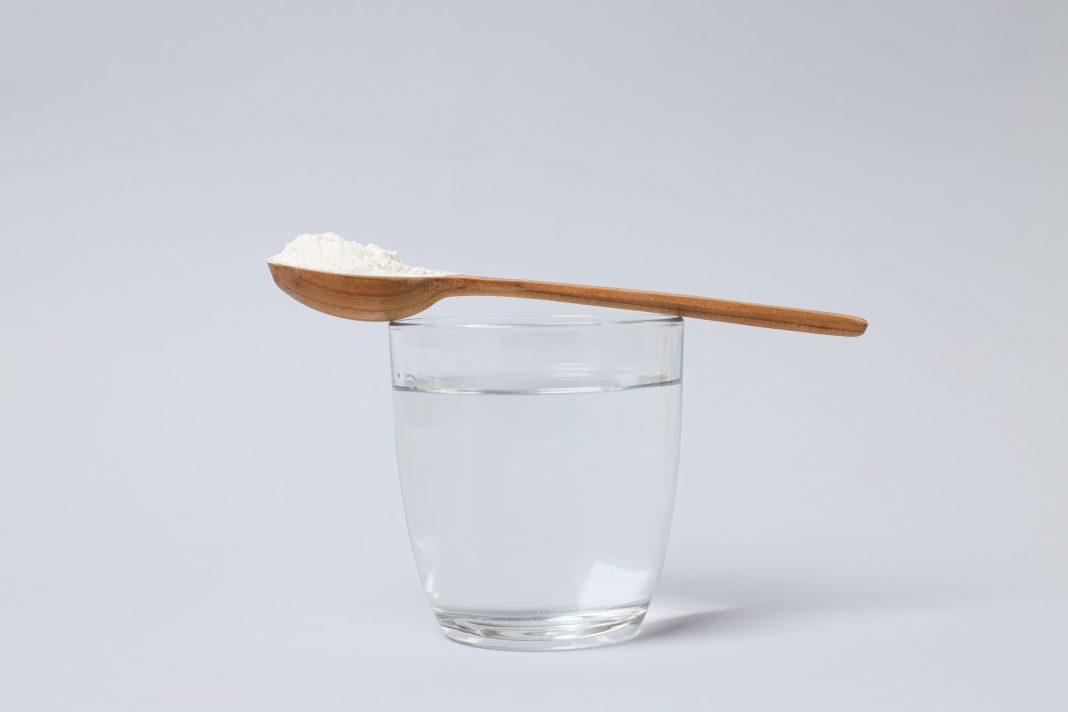

A glass of water with sea salt first thing in the morning has turned into the latest wellness ritual online. It is often pitched as a simple longevity habit that can improve hydration, support minerals, and kick-start the day. Doctors and public health agencies, though, draw a sharper line: most healthy adults do not need extra salt in plain morning water, and making it a daily habit can quietly raise sodium intake over time.
That gap between social media claims and medical advice is exactly why the trend keeps getting attention. Sodium is essential for the body, but official guidance from the World Health Organization recommends adults stay below 2,000 mg of sodium a day, while U.S. guidance commonly uses a limit of less than 2,300 mg daily. Many people already overshoot those numbers through packaged foods, restaurant meals, breads, sauces, soups, and snacks.
Why The Sea Salt Water Trend Went Viral
The habit spreads well because it sounds simple, cheap, and easy to copy. Social posts often frame sea salt water as a cleaner option than store-bought electrolyte drinks, especially for people chasing “better hydration” or “longevity routines.” But health agencies do not recommend routine salt loading for the average person. The CDC says the body needs only a small amount of sodium, while too much raises blood pressure and increases heart disease and stroke risk.
The type of salt also gets overstated online. Sea salt, pink salt, and table salt may differ slightly in texture or trace minerals, but the sodium content still drives the health effect. That is the part doctors keep bringing the conversation back to. Cleveland Clinic has also noted that claims around “sole water” and similar salt-water drinks do not hold up well when checked against evidence.
The World Health Organization’s recent Instagram messaging during Salt Awareness Week, where it highlighted the risks of high salt intake and pointed users to updated sodium-reduction guidance.
What Doctors Actually Say About Morning Salt Water
Doctors are not saying sodium is useless. They are saying context decides the value. Sodium helps regulate fluid balance, nerve signaling, and muscle function. But sodium deficiency is unlikely in healthy people eating a normal diet. WHO states that deficiency is extremely unlikely in healthy individuals, while excess sodium is linked to raised blood pressure and other adverse outcomes.
That is why routine sea salt water in the morning is not a blanket health recommendation. For many adults, it adds extra sodium without solving a real need. FDA guidance also notes that sodium draws water into the bloodstream, which can raise blood volume and blood pressure over time.
When Extra Sodium May Actually Make Sense
There are situations where targeted sodium intake is useful. Athletes doing long endurance sessions, people sweating heavily in heat, and those losing fluids from vomiting or diarrhea may need electrolyte replacement, including sodium. Even then, the goal is not random morning salt water. It is structured rehydration based on sweat loss, illness, or medical advice. A recent sports nutrition review also found that sodium strategies are most relevant in exercise settings, not as a universal daily longevity ritual.
Who Should Be Careful With This Habit
Some groups should be especially cautious before copying the trend:
- People with high blood pressure
- Anyone with kidney disease, heart failure, or liver disease
- Those advised to follow a low-sodium diet
- People with diabetes or fluid retention issues
- Anyone already eating a high-packaged-food diet
These groups can run into trouble faster because sodium adds up from food long before the morning glass enters the picture. CDC data says average sodium intake in the U.S. is above 3,300 mg a day, already well over recommended levels.
A Better Morning Hydration Routine Than Copying Social Media
For most people, a more useful morning routine is plain water, breakfast with potassium-rich foods, and better label reading throughout the day. FDA guidance suggests using Nutrition Facts labels, picking lower-sodium foods, and leaning on herbs and spices instead of extra salt. WHO also points people toward lower overall sodium intake rather than adding more salt to drinks.
If someone wakes up dehydrated after travel, heat exposure, a hard workout, or illness, an oral rehydration solution or a properly formulated electrolyte drink can make more sense than homemade salt water. The safer takeaway is simple: sea salt in water is not a proven longevity shortcut, and for the average healthy adult, doctors generally do not recommend it as a daily must-do.
FAQs
Is Sea Salt Water In The Morning Good For Everyone?
No. Most healthy adults do not need added salt in plain water every morning daily.
Can Sea Salt Water Improve Hydration?
Only in specific cases like heavy sweating, illness, or endurance exercise with fluid losses.
Is Sea Salt Better Than Table Salt For This Habit?
Not by much. The sodium load still counts more than trace mineral differences daily.
Who Should Avoid This Trend?
People with hypertension, kidney disease, heart issues, or low-sodium advice should skip it.
What Is A Safer Morning Hydration Option?
Plain water, balanced meals, and doctor-guided electrolytes work better for most people each morning.