
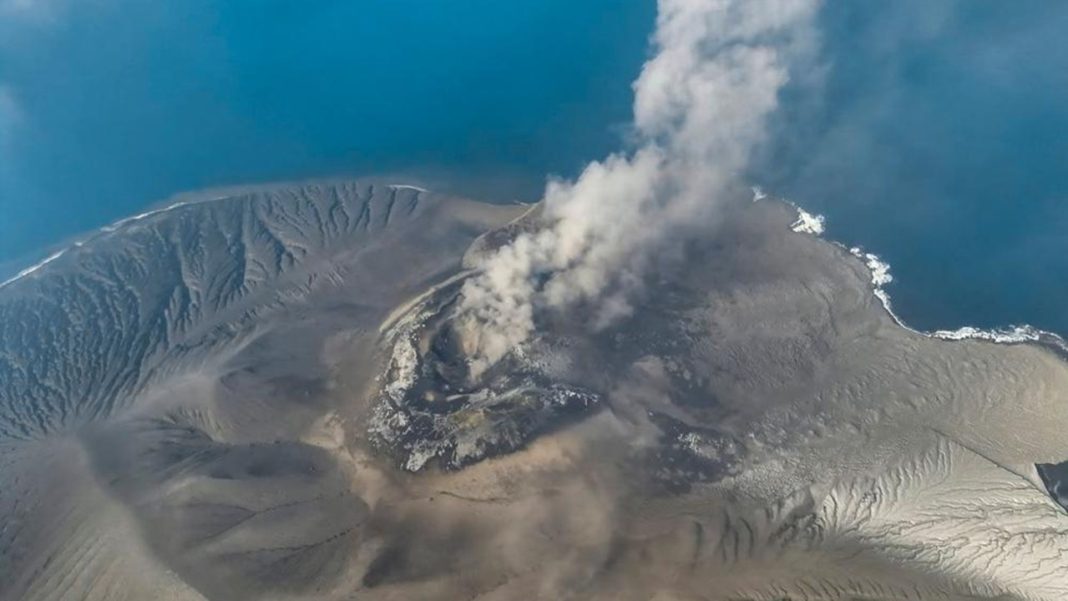

Indonesia’s Anak Krakatau volcano has thrown regional air travel into turmoil after volcanic ash spread across Java and Sumatra, forcing airport closures and widespread flight cancellations. Indonesia initially reported 1,558 flights delayed or cancelled and about 170,000 passengers stranded on September 6. By September 7, the disruption had grown to more than 2,300 flights and over 270,000 travellers, while seven airports remained closed.
Jakarta’s Soekarno-Hatta International Airport, one of Southeast Asia’s busiest gateways, has been among the hardest hit. The situation also affects Indian passengers flying to Indonesia, Bali or onward through hubs such as Singapore and Kuala Lumpur. No blanket India-wide cancellation has been announced, but volcanic ash can shift quickly, forcing airlines to reroute, delay or cancel services with little notice.
Key Highlights
- Anak Krakatau sent ash as high as about 50,000 feet during the latest eruptive episode.
- Eight airports were initially shut; seven remained closed on Monday.
- More than 2,300 flights had been disrupted by September 7.
- Over 270,000 passengers were affected in the latest tally.
- Singapore Airlines, AirAsia and other carriers cancelled or adjusted Indonesia services.
- Indian travellers connecting through Jakarta, Singapore, Kuala Lumpur or Bali could face knock-on delays.
What Happened After Anak Krakatau Erupted?
Anak Krakatau, located in the Sunda Strait between Java and Sumatra, erupted repeatedly over the weekend. The eruption sent ash into heavily used aviation corridors and over populated areas including Jakarta, Banten and Lampung.
Indonesia’s aviation authorities temporarily closed Soekarno-Hatta, Halim Perdanakusuma, Husein Sastranegara, Pondok Cabe, Budiarto, Radin Inten II, Pagar Alam and Taufik Kiemas airports. AirNav Indonesia confirmed the closures through updated NOTAMs as ash spread farther across the region.
The first major aviation tally put the disruption at 1,558 flights and 170,000 stranded passengers. Reuters reported on Monday that the figure had since exceeded 2,300 affected flights and 270,000 travellers. Atung Bungsu Airport in South Sumatra reopened, but seven other airports remained shut.
The eruption has affected more than aviation. Schools in Jakarta and several surrounding provinces shifted to online classes, ash fell across roads and vehicles, and authorities warned residents to use masks. Officials said there was no immediate tsunami threat.
Why Is Volcanic Ash So Dangerous For Aircraft?
Volcanic ash is not ordinary smoke. It contains fine fragments of rock, minerals and volcanic glass. When an aircraft enters a dense ash cloud, the particles can damage windscreens, interfere with sensors and melt inside jet engines.
That danger explains why airlines often cancel flights even when an airport itself appears far from the volcano. Anak Krakatau sits more than 150 kilometres from Jakarta’s main airport, yet wind carried ash into the surrounding airspace.
Indonesia’s meteorology agency BMKG said the airport shutdowns were a proactive safety measure and that ash movement was being monitored continuously. AirNav Indonesia has also been issuing revised airspace notices as conditions change.
AirAsia separately warned that the eruption had created extensive ash clouds capable of affecting flight paths. The airline cancelled or rescheduled some Jakarta services and advised passengers to check flight status before travelling.
AirAsia’s official Mount Anak Krakatau travel advisory confirms that operational changes may continue while volcanic conditions remain fluid.
Could Flights From India To Indonesia Be Cancelled Next?
Further disruption is possible, but it does not mean every India–Indonesia flight will be cancelled.
The biggest immediate exposure is for passengers travelling through Jakarta or using regional connections that pass through affected Indonesian airspace. Flights between India and Bali may also be disrupted indirectly if aircraft rotations, crews or connecting sectors are delayed elsewhere.
Bali’s Ngurah Rai International Airport was not among the eight airports closed in the main shutdown, but it still recorded cancellations linked to the eruption. Indonesian state news agency ANTARA reported that several Jakarta–Bali flights were cancelled or adjusted on Sunday.
Air India’s published schedule continued to show Delhi–Bali services for the week beginning September 7 when checked. That suggests Bali remained accessible from India, although a published schedule is not a guarantee that every flight will operate.
Passengers travelling from Delhi, Mumbai, Bengaluru, Chennai, Kochi or other Indian cities should therefore check the operating airline rather than relying only on airport departure boards.
Will Southeast Asia See Wider Flight Disruption?
Singapore, Malaysia and other nearby aviation hubs are more exposed to knock-on effects because Jakarta is closely connected with their regional networks.
Singapore Airlines and Scoot cancelled Jakarta services during the disruption, while AirAsia adjusted flights as volcanic ash spread. Routes from Jakarta to Kuala Lumpur, Singapore, Hong Kong, Sydney, Seoul, Doha and Amsterdam were among those affected during the initial shutdown.
The next phase depends mainly on three things: whether Anak Krakatau erupts again, how high fresh ash rises, and which direction upper-level winds carry it.
Indonesia has kept Anak Krakatau at Alert Level III. Authorities have warned that further eruptions remain possible even though the prolonged eruptive episode eased. That leaves airlines with little room to take chances.
Travellers should check airline apps before leaving for the airport, keep notifications switched on and avoid booking tight same-day connections through Jakarta. Those with separate tickets face extra risk because one delayed sector can break the rest of the itinerary.
Passengers should also keep boarding passes, cancellation messages and hotel receipts. These records may be needed for airline rebooking, reimbursement or travel-insurance claims if the disruption stretches into another day.
FAQs
Is Jakarta Airport Open After The Anak Krakatau Eruption?
Seven Indonesian airports remained closed on September 7, including Jakarta’s main Soekarno-Hatta airport.
Are Flights From India To Bali Cancelled?
No blanket cancellation was announced, but individual flights can change quickly if volcanic ash spreads.
Can Volcanic Ash Reach Singapore Or Malaysia?
Ash movement depends on wind direction, although regional flight schedules can still suffer indirect disruption.
Why Do Airlines Cancel Flights Because Of Volcanic Ash?
Ash can damage jet engines, windscreens and aircraft sensors, creating serious risks during flight.
Could Anak Krakatau Erupt Again?
Yes. Indonesian authorities remain on alert and have warned that additional eruptions are still possible.