

Key Highlights
- The Power Ministry has moved the Draft National Electricity Policy 2026 into inter-ministerial consultation after incorporating stakeholder feedback.
- The policy would replace the National Electricity Policy notified in 2005 after final approval and notification.
- Proposed changes cover tariff revisions, cross-subsidies, storage, nuclear power, shared distribution networks and grid cybersecurity.
- The draft targets per capita electricity consumption of 2,000 kWh by 2030 and over 4,000 kWh by 2047.
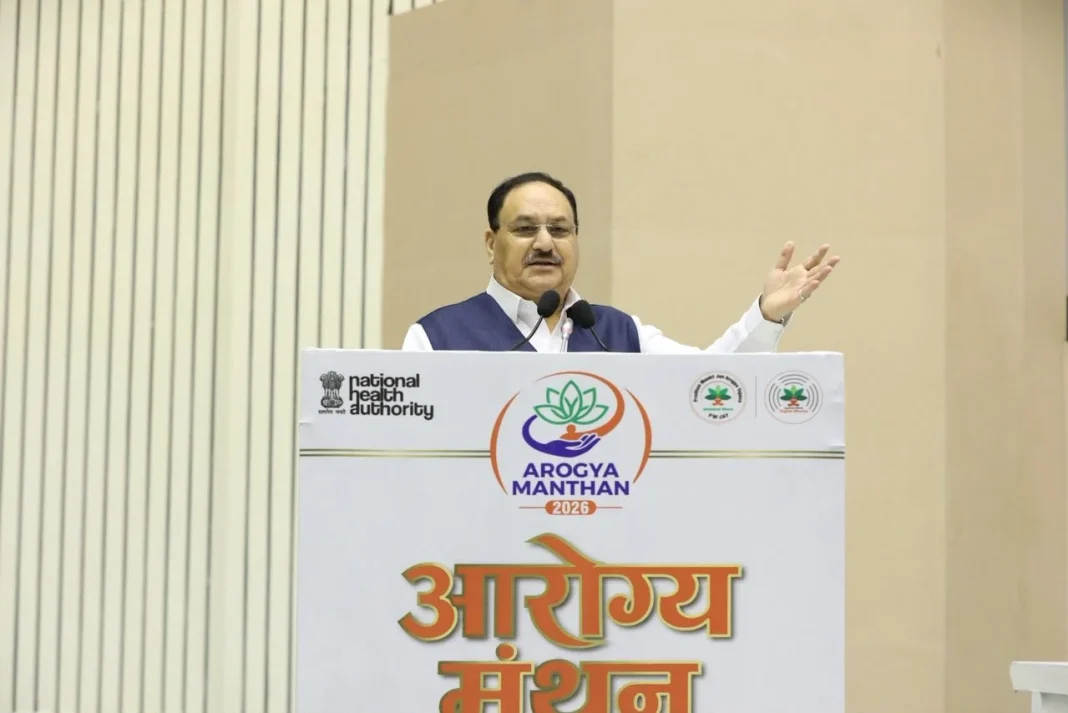
India’s long-awaited National Electricity Policy 2026 has moved closer to a final decision. On September 24, Power Secretary Pankaj Agarwal said the Ministry of Power had incorporated stakeholder comments and moved the Cabinet note for inter-ministerial consultation. The policy is still a draft, so its proposed tariff and market rules have not taken effect. The latest development was reported by Akashvani News on September 24.
The update comes more than 21 years after the existing policy was notified in February 2005. The new framework is designed for higher demand, renewable capacity, storage, cyber risks and financially stressed distribution companies.
The Ministry of Power’s official January release says installed generation capacity has increased about fourfold since 2005, while per capita electricity consumption reached 1,460 kWh in 2024-25. India’s unified national grid became operational in December 2013.
What Has Changed In The Approval Process?
The Ministry of Power released the draft for public consultation in January 2026. The government said it would replace the 2005 policy and support its Viksit Bharat 2047 roadmap.
Eight months later, Agarwal said stakeholder comments had been incorporated before the Cabinet note was sent for inter-ministerial consultation. He indicated that the process should not take very long, although no final notification date has been announced.
Moving a Cabinet note for consultation does not make the proposals binding. The final policy must complete the approval process and be formally notified. Ministry of Power’s official X post on National Electricity Policy 2026.
What Could Change For Tariffs And Consumers?
Tariff reform is a major proposal. The draft says tariffs should be linked to a suitable index for automatic annual revision when a State Electricity Regulatory Commission does not issue its tariff order on time. It also calls for tariffs to progressively recover fixed costs through demand or fixed charges.
The government has clarified that state regulators continue to determine retail tariffs. The draft also proposes automatic monthly fuel and power purchase cost adjustments, with a stabilisation fund that could soften sharp swings in power-purchase costs. The details were outlined in an August Ministry of Power statement.
For industry, railways and metro systems, it proposes exemptions from cross-subsidies and related surcharges. Regulators could also consider exempting distribution licensees from universal service obligations for consumers with contracted load of 1 MW or more.
Consumers could see stronger service rules, online grievance tracking and more competition if shared distribution networks expand. Implementation would depend on final wording and later regulations.
How Could Grid And Generation Rules Shift?
The draft asks distribution companies and state load dispatch centres to prepare resource-adequacy plans, while the Central Electricity Authority would prepare a national plan.
Renewable energy and storage receive a large role. The draft supports market-based storage, battery manufacturing, pumped storage and trading of surplus distributed renewable energy. It proposes parity between renewable and conventional sources in scheduling and deviation treatment by 2030.
For nuclear power, the policy refers to advanced technologies, modular reactors and small reactors, with a goal of 100 GW by 2047. Older thermal units could also be repurposed for grid support.
Distribution reform includes single-digit AT&C loss targets, shared networks, Distribution System Operators, Vehicle-to-Grid integration and stronger cybersecurity. The draft also proposes storing power-sector data within India.
Agarwal said on September 24 that future grid planning must account for large, fluctuating loads from data centres and green hydrogen projects.
What Happens Before The Policy Takes Effect?
The next stage is inter-ministerial consultation around the Cabinet note. Changes can still be made before the final policy is cleared and notified.
No nationwide tariff reset or supplier-choice system starts automatically from the September 24 development. State regulators, electricity rules and follow-up regulations would still shape how individual proposals are applied.
If approved, the National Electricity Policy 2026 would replace the 2005 framework and set direction for generation, tariffs, distribution, storage, grids and consumer services.
FAQs
Has the National Electricity Policy 2026 been approved?
No. It has entered inter-ministerial consultation, and final approval and notification are still pending formally.
Will electricity bills rise immediately?
No immediate change follows from the draft; state regulators still determine retail electricity tariffs independently.
What is the policy’s 2030 consumption target?
It targets per capita electricity consumption of about 2,000 kWh by 2030 across India nationally.
What does it propose for renewable energy?
It backs storage, stronger grids, market mechanisms and wider integration of distributed renewable resources nationwide.
Could consumers get more supplier choice?
The draft supports competition and shared distribution networks, but implementation would require regulations and approvals.
Solar & Power Updates You Should Know
Who Can Get Delhi’s Free Solar Panels?
Check out who may qualify for zero-cost rooftop solar systems.
How Can Bihar Residents Get Solar Subsidies?
Find out about eligibility, installation costs, and monthly subsidy benefits.
Can India Help Stabilise Nepal’s Grid?
Uncover how emergency electricity support could help Nepal’s power network.
Could Your Smart Meter Overcharge You?
Try this quick main-switch test to spot unusual meter readings.
How Can Solar Cut Your Bills?
Reveal how to apply for the rooftop solar subsidy today.