

India has stepped in as Nepal’s emergency electricity supplier after the August 26 Bhote Koshi floods badly damaged hydropower stations and transmission infrastructure. New Delhi has approved exports of up to 654 MW for 18 hours daily, from midnight to 6 pm, between September 13 and December 31, 2026. The support gives the Nepal Electricity Authority a large replacement source while damaged plants remain offline. It will not repair the broken hydro system, but it can reduce immediate supply pressure, protect essential services and give engineers more room to manage a weakened grid.
Key Highlights
- India can supply Nepal up to 600 MW through Muzaffarpur-Dhalkebar and 54 MW through Tanakpur-Mahendranagar.
- The approved daily window runs from 00:00 to 18:00 until December 31, 2026.
- Flood damage knocked more than 400 MW of Nepali generation offline, forcing emergency use of Kulekhani.
- Nepal normally imports more electricity from India during the dry winter, when river flows and hydro output fall.
What Has India Approved For Flood-Hit Nepal?
India’s Ministry of Power approved the expanded supply after Nepal sought additional electricity following severe damage to its hydropower network. The official Akashvani News report says the Nepal Electricity Authority can receive up to 600 MW through the 400 kV Muzaffarpur-Dhalkebar double-circuit line and another 54 MW through the 132 kV Tanakpur-Mahendranagar line.
The timing is important. Electricity is available for 18 hours, not around the clock. The six-hour gap from 6 pm to midnight overlaps with a period when India also faces high evening demand. India’s September peak demand reached 269 GW on September 10, according to the Indian Express report on the new arrangement. That makes the daytime-heavy export window a practical compromise between Nepal’s emergency requirement and India’s own grid conditions.
Why Did Nepal Suddenly Need Indian Electricity?
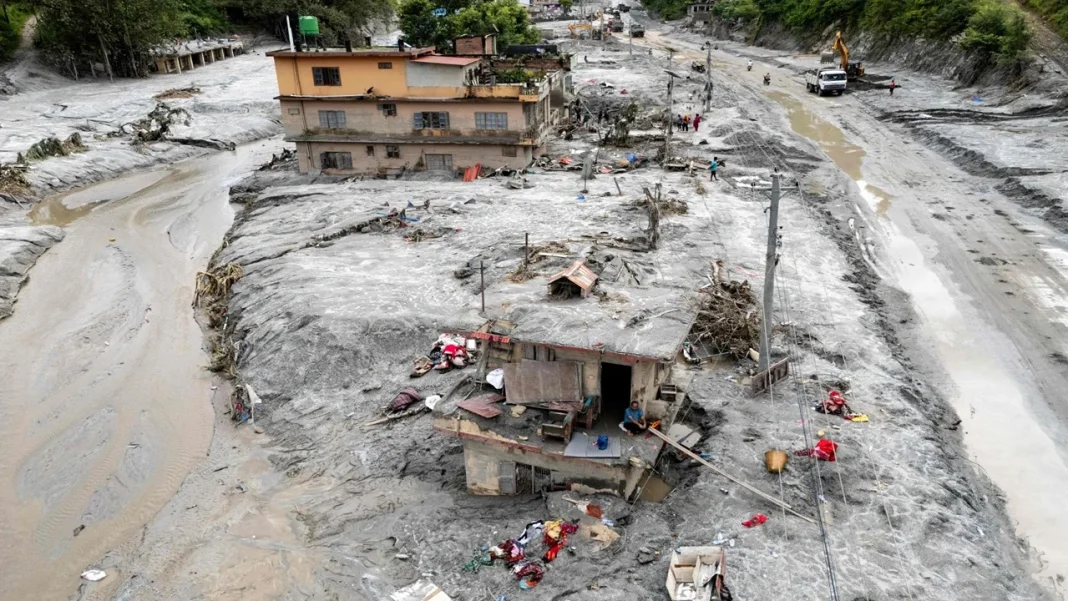
The August 26 disaster struck the Bhote Koshi and Trishuli river system and damaged more than a dozen hydropower projects. Nepal’s Ministry of Foreign Affairs confirmed extensive damage to hydropower facilities and other critical infrastructure across Rasuwa, Nuwakot and Dhading. Reuters later reported that the disaster followed a glacier collapse and caused enormous loss of life across Nepal and Tibet.
For Nepal’s power system, the shock was immediate. The Kathmandu Post reported that more than 400 MW of national generation was lost. The Nepal Electricity Authority responded by operating the reservoir-based Kulekhani hydropower system continuously, even though it is normally conserved for winter shortages. That emergency use helps today, but it can reduce the cushion available when dry-season river flows fall.
The flood also reversed the seasonal direction of regional electricity trade. Nepal had been exporting surplus hydropower during wetter months. With generation damaged, it halted exports and began leaning more heavily on Indian supply.
Can 18 Hours Of Indian Power Stabilise Nepal’s Grid?
The extra electricity can stabilise day-to-day operations, but 654 MW should not be read as a permanent replacement for damaged Nepali hydropower. The supply can cover a large portion of the lost generation during approved hours, help NEA balance demand and reduce the risk of wider shortages while repairs continue.
Transmission availability will still decide how much power can reach consumers. Local lines, substations and feeders damaged by floods must also function. Earlier restoration work had returned electricity to 75 to 80 percent of affected areas in Rasuwa and about 95 percent in Nuwakot, showing that generation is only one part of recovery.
The remaining risk is winter. Nepal’s hydro output normally weakens as river flows decline, while Kulekhani is usually reserved for that period. If damaged projects remain unavailable and reservoir levels fall, the country could need continued imports after December. India has said the January 2027 export quantum will be reviewed in December.
What Happens Next For Nepal’s Power Recovery?
The next test is whether emergency imports buy enough time for Nepal to repair plants, transmission routes and distribution networks before winter demand tightens supply. India’s support provides breathing room, but long-term stability will depend on rebuilding flood-resistant infrastructure and restoring domestic generation.
The crisis also highlights the growing value of cross-border grids. India and Nepal already have multiple electricity links under their wider bilateral power cooperation framework. Their seasonal trading relationship allows electricity to move in either direction when conditions change. After this disaster, that network is functioning less like ordinary commerce and more like regional energy insurance.
FAQs
How much electricity can India supply Nepal?
India can supply up to 654 MW through two cross-border transmission corridors during approved hours.
How long will the emergency power arrangement continue?
The approval runs from September 13 through December 31, with January supplies reviewed in December.
Why is Nepal facing an electricity shortage now?
Floods damaged hydropower stations and transmission infrastructure, removing hundreds of megawatts from Nepal’s electricity system.
Will Nepal receive Indian electricity for 24 hours?
No, the approved window covers 18 hours daily, running from midnight until 6 pm currently.
Can Indian power completely solve Nepal’s grid crisis?
No, imports can reduce shortages, but damaged plants, local networks and winter hydro risks remain.
What’s Changing Around India?
Could Uzbekistan Visa Rules Boost Travel?
Check out how visa-free entry could reshape tourism and business trips.
How Are Students Trapped In Cybercrime?
Find out how mule accounts pull vulnerable groups into cybercrime networks.
Who Could Face New Visa Bonds?
Uncover which travellers may be affected by proposed US visa bonds.
Can BRICS Detect Future Outbreaks Faster?
Explore how India’s early-warning initiative could strengthen disease detection.
What Could Modi And Xi Discuss?
Dive into the key issues shaping their latest India meeting.