

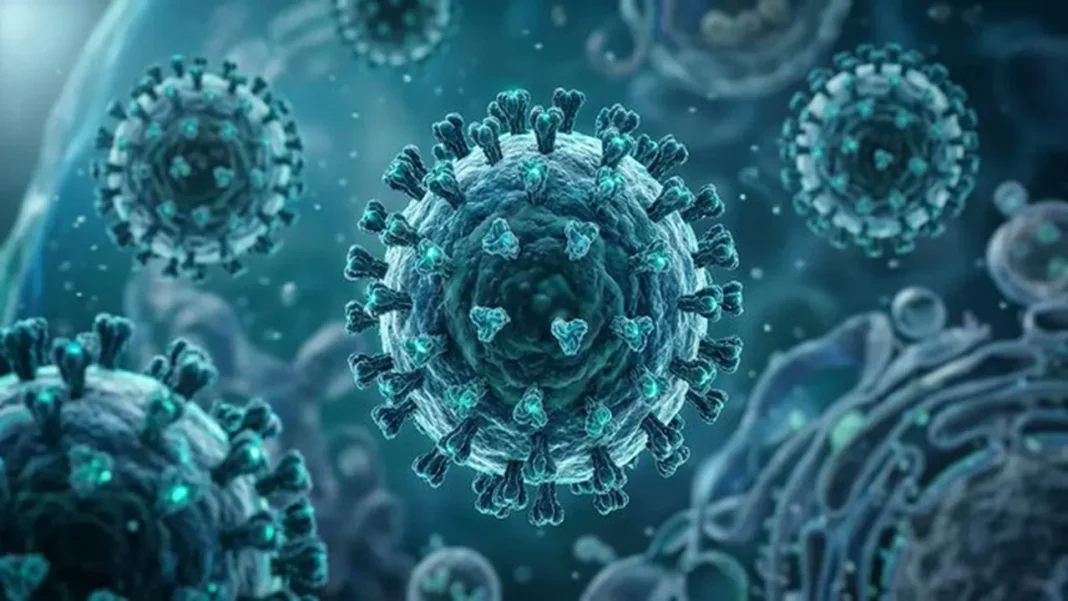

France announced the first documented human Shamonda virus infection on 22 October 2026. The severely immunocompromised patient, treated for a serious illness in Lyon, died in early October. Investigators have not established whether the virus contributed to the death.
This is not evidence of a widespread outbreak. French officials have identified no risk to the general population. One case cannot establish symptoms in otherwise healthy people.
Key Highlights
- French authorities announced the first recorded human Shamonda infection on 22 October 2026.
- The patient had severe immune suppression; investigations into the death continue.
- Biting midges transmit the virus among animals. The route in this human case remains a hypothesis.
- No human-to-human spread or wider public health threat has been established.
What Happened in France, and Was Shamonda the Cause of Death?
The French announcement did not name the patient or give a symptom-by-symptom timeline. It did report complications affecting the brain.
In its official statement dated 22 October 2026, France’s Agriculture Ministry said those neurological complications were very probably connected to Shamonda.
The European Centre for Disease Prevention and Control (ECDC), however, said the exact part played by the virus in the patient’s death had not been determined. Brain complications being linked to infection does not establish a cause of death.
This was the first documented human case worldwide. France notified the World Health Organization and ECDC, while medical, animal-health and environmental specialists investigate exposure.
How Does Shamonda Virus Spread, and Where Has It Been Found?
Shamonda is an insect-borne orthobunyavirus first identified in Nigeria in the mid-1960s. It was later reported in cattle across parts of Africa and Japan.
European livestock detections emerged in summer 2026. Some cattle had fever, diarrhoea and falling milk production. Researchers used broad genetic sequencing when earlier tests did not explain the illness.
Their findings, published by INRAE in August 2026, preceded the human announcement by two months. This livestock investigation is one reason laboratories were already familiar with Shamonda when the Lyon case was reported.
The established animal transmission route involves tiny biting midges called Culicoides. They are not mosquitoes. Investigators suspect a bite in eastern France, but human exposure remains unconfirmed.
The evidence has limits:
- Person to person: No human-to-human Shamonda transmission has been documented.
- Food: French officials report no scientific evidence that eating meat, milk or related products transmits the virus.
- Animal contact: Infection in cattle does not, by itself, prove that touching an animal infects people.
What Are the Symptoms of Shamonda Virus in Humans?
No established list exists. With one documented patient who was already seriously ill and immunocompromised, doctors cannot confidently assign common symptoms, an incubation period, or an average recovery time to human Shamonda infection.
The neurological complications reported in France should not be presented as symptoms every infected person would develop.
Animal findings are more extensive, although they are not a guide to diagnosing people. In cattle, researchers have described episodes of fever, diarrhoea and reduced milk production.
Reproductive complications are being investigated in infected herds, as described by the French Agriculture Ministry. Animal findings are not a human symptom checklist.
An ordinary fever after an insect bite has many possible explanations and cannot be attributed to Shamonda without proper medical testing.
Someone experiencing fever, confusion, seizures or a rapidly worsening illness needs medical assessment, regardless of whether Shamonda is suspected.
Is There a Public Health Risk, and What Happens Next?
The ECDC said on 22 October that it was strengthening laboratory testing for possible additional cases. Surveillance does not establish sustained human transmission, and the announcement reports no cases in India.
For people travelling or working around biting insects, ordinary bite precautions remain sensible:
- Use a repellent labelled for biting midges and follow its directions. Cover exposed skin with long sleeves and trousers where practical.
- Fit fine-mesh screens where midges are common. Standard mosquito screens may have openings large enough for them to enter.
The US CDC’s guidance on biting midges explains these precautions.
They are general insect-bite measures, not evidence of local Shamonda spread. No specific human vaccine or proven treatment is established.
Follow official French and ECDC updates. The key questions remain how the patient was infected and whether further human infections exist.
FAQs
What Is Shamonda Virus?
Shamonda is an insect-borne orthobunyavirus long detected mainly in livestock. France confirmed the first documented human infection in October 2026, prompting investigations into possible human health effects.
What Symptoms Does Shamonda Cause in People?
There is no established human symptom profile. The French patient experienced neurological complications, but the person had a severe underlying illness and a weakened immune system.
Can Shamonda Virus Spread From Person to Person?
No human-to-human transmission has been documented. In animals, spread typically involves biting Culicoides midges; investigators are still testing whether that explains the French patient’s infection.
Has Shamonda Virus Been Found in India?
The French and European announcements do not report any human Shamonda case in India. They do not, however, establish a comprehensive picture of surveillance everywhere.
Did the French Patient Die Because of Shamonda Virus?
The patient died in early October 2026. French investigators consider neurological complications likely associated with infection, but the ECDC says its contribution to death remains under investigation.
5 Trending Stories on Health Risks and Global Emergencies!
1. Why Is Europe Expanding Water Bombers?
Discover how Europe is preparing for longer wildfire seasons with more firefighting aircraft.
2. What’s Driving France and Spain’s Wildfires?
Uncover the wildfire crisis, emergency evacuations and growing concerns across France and Spain.
3. How Can You Recognise Hantavirus Infection?
Find out the symptoms, transmission risks and prevention measures for hantavirus infection.
4. Could This Bat Coronavirus Cause COVID-2?
Explore scientists’ findings about the newly identified bat coronavirus and its potential risks.
5. Could El Niño Increase Dengue Risk?
See how El Niño weather conditions could influence dengue risks in India and what the WHO warns.