

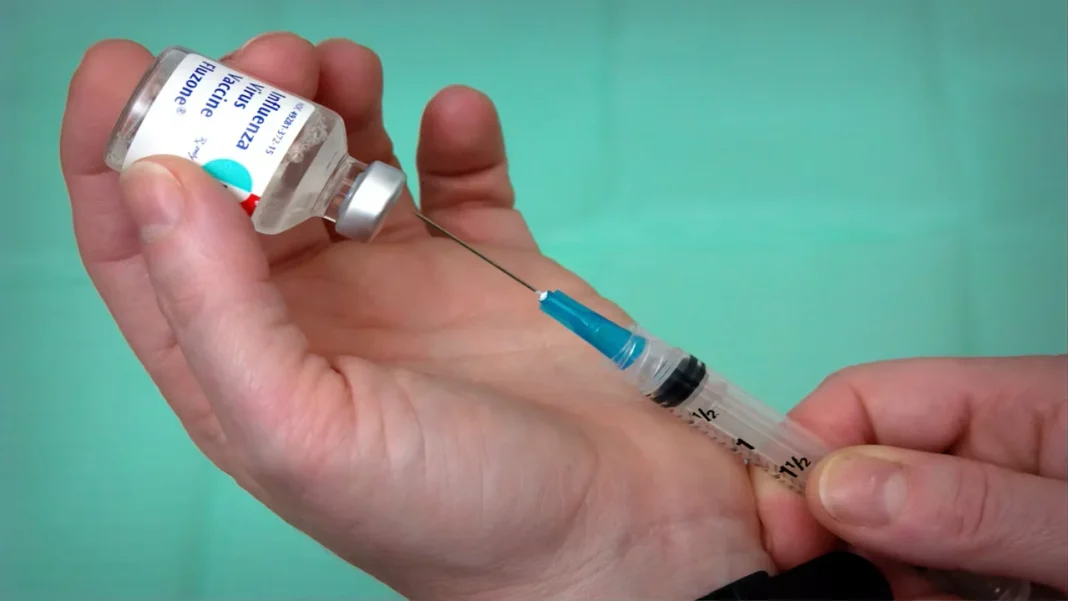

Can a vaccine help after a cancer diagnosis? An mRNA cancer vaccine uses genetic instructions to help immune cells recognise tumour markers. Unlike a flu or COVID-19 shot, it aims to treat cancer, often alongside existing therapies.
On October 22, 2026, Moderna and Merck released melanoma trial findings showing fewer recurrences after surgery. Their personalised vaccine remains experimental.
Key Highlights
- Experimental mRNA cancer vaccines train immune responses against tumour markers, not infectious germs.
- A Phase 3 melanoma trial involved 1,137 patients after surgery.
- At two years, 82.2% receiving vaccine plus pembrolizumab were recurrence-free, against 70% receiving pembrolizumab alone.
- Regulatory approval and long-term survival results are still pending.
How Does an mRNA Cancer Vaccine Differ From a Regular Vaccine?
Infection vaccines prepare immune defences before a germ causes disease. COVID-19 mRNA vaccines, for example, instruct cells to make a harmless viral protein fragment. The CDC explains how mRNA vaccines work and confirms that this mRNA does not alter DNA.
Tumours arise from the body’s own cells, carrying mutations that vary between patients. Cancer vaccines may encode abnormal proteins called neoantigens, teaching immune cells what to attack. The US National Cancer Institute calls these therapeutic cancer vaccines.
The difference is also about timing. Infection vaccines usually come before exposure, while therapeutic cancer vaccines are given after cancer develops, sometimes following surgery. Personalised tumour vaccines may require genetic sequencing of an individual patient’s cancer first.
Not all cancer vaccines use mRNA. Existing HPV and hepatitis B vaccines prevent infections linked to certain cancers, rather than treating tumours already present.
What Happens When Doctors Create a Personalised Cancer Vaccine?
First comes the tumour sample. Researchers sequence its genetic material, looking for mutations that distinguish malignant cells from healthy tissue. They select promising neoantigens and encode them into an mRNA formulation. Once administered, the instructions prompt antigen production; immune cells then present these targets to T cells.
The Associated Press reported that tumour analysis and vaccine preparation take roughly six weeks, sometimes longer. Standard treatment may continue during manufacturing.
In melanoma testing, the vaccine was paired with pembrolizumab, which removes a brake on immune cells. The vaccine identifies targets; the medicine helps immune responses. Results cannot automatically extend to other cancers.
What Did the Latest 2026 Melanoma Trial Actually Find?
On October 22, Moderna and Merck published detailed results from INTerpath-001, a Phase 3 trial of intismeran autogene, also called mRNA-4157 or V940. The study enrolled 1,137 people with high-risk stage IIB–IV melanoma removed through surgery. All received pembrolizumab; participants were randomly assigned an additional personalised vaccine or placebo.
At the two-year mark:
- 82.2% in the vaccine combination group remained alive without melanoma recurrence, compared with 70.0% in the control group.
- The combination produced a 42% relative reduction in the risk of recurrence or death, not a 42-percentage-point increase in survival.
These findings concern recurrence after melanoma surgery, not a universal cancer cure or prevention shot. Overall survival needs longer follow-up. The study is registered on ClinicalTrials.gov under NCT05933577.
An earlier, much smaller trial illustrates the uncertainty outside melanoma. The National Cancer Institute reported in April 2025 that eight of 16 people given an experimental personalised mRNA vaccine for pancreatic cancer developed a targeted immune response. Six responders remained cancer-free around three years after surgery. Larger controlled trials are needed to establish the treatment’s contribution.
IARC estimated 20.6 million new cancer diagnoses worldwide in 2024. Yet success in melanoma does not establish efficacy against other tumours.
Can Patients Get an mRNA Cancer Vaccine Now?
As of October 24, 2026, the vaccine remains investigational. The developers are discussing possible next steps with regulators; pricing has not been announced.
Two details deserve attention before interpreting headlines:
- Side effects: The trial reported fever, injection-site pain, and fatigue. Grade 3–5 treatment-related adverse events affected 14.2% with the combination versus 13.4% with pembrolizumab alone.
- Availability: A clinical trial may provide access for eligible patients. Trial criteria depend on cancer type, stage, prior treatment, and recruitment status.
Current treatment should continue under an oncologist’s advice. For updates, read the official trial record and subsequent regulatory decisions.
FAQs
Is an mRNA cancer vaccine the same as a COVID-19 vaccine?
Both use messenger RNA instructions, but COVID-19 vaccines target viral proteins to prevent illness. Personalised cancer vaccines target tumour mutations and are investigated as treatment.
Can an mRNA cancer vaccine prevent all cancers?
No. Current personalised candidates are being studied for selected cancers, generally after diagnosis. HPV and hepatitis B vaccination already prevent infections that can cause certain cancers.
Has the personalised melanoma vaccine received approval?
Not as of October 24, 2026. Positive Phase 3 findings support regulatory discussions, but approval requires authorities to review efficacy, safety, and detailed manufacturing information.
Does a 42% risk reduction mean 42% more patients survived?
No. It refers to a relative reduction in recurrence or death during follow-up. Overall survival is a separate outcome requiring longer observation of trial participants.
How can patients look for mRNA cancer vaccine trials?
Use ClinicalTrials.gov to search by cancer type and trial status. An oncology team can assess eligibility, travel requirements, and whether standard treatment must continue.
More Health Stories Worth Exploring!
Could Personalised Vaccines Change Melanoma Treatment?
Discover how personalised mRNA technology is being studied for melanoma treatment.
Could Traditional Medicine Shape Cancer Care?
Explore WHO’s 10-year traditional medicine plans and their connection to cancer care in India.
Are New COVID Precautions Still Needed?
Check out India’s latest health review and guidance on COVID precautions.
What Could Improve Cancer Drug Access?
Find out how the Supreme Court is addressing cancer medicine accessibility in India.
Why Do Cancer Drug Prices Vary?
Uncover the reported 10-fold price differences in cancer medicines across India.