

The CJP’s Jantar Mantar protest has become a dispute over more than a place to gather. On October 13, members of the Cockroach Janta Party (CJP) entered the barricaded area with the national flag, a day after Delhi Police removed Jantar Mantar from its list of approved protest venues. Police detained CJP co-convenors Ashutosh Ranka and Saurav Das, national organisation in-charge Ajinkya Shinde and other members.
CJP says the move weakens the right to protest. Founder and national convenor Abhijeet Dipke argued that an administrative order cannot erase public resistance. The group says demonstrations must remain visible to decision-makers and the media.
Why Jantar Mantar Matters
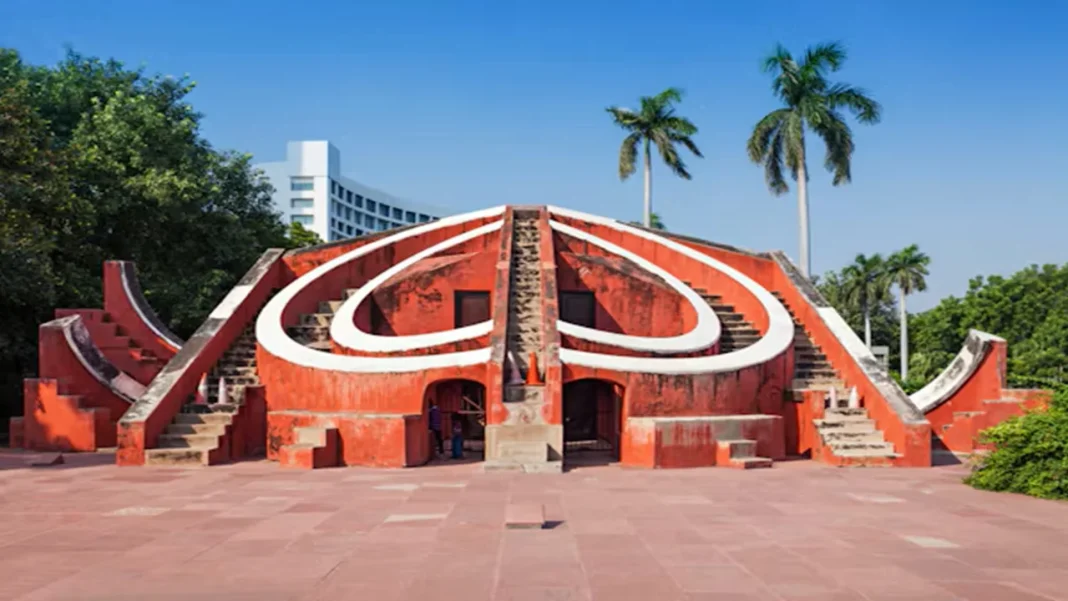
In 1993, demonstrations were not allowed on the lawns of the Boat Club, adjacent to India Gate, in Delhi, and this was how Jantar Mantar became the city’s main protest site. Since then it has accommodated anti-corruption movements, One Rank One Pension protests, farmers agitations, protest of the women wrestlers and student and worker protest.
It is at the centre of CJP’s stand. Parliament and the government offices are close by and even a small group can draw attention to itself. About 3,000 could make a visible protest at Jantar Mantar, while it takes about 80,000 to make a similar protest visible at the much larger Burari Ground. The difference for campaigners is not so much about space but about visibility.
Why CJP Rejects the New Venues
On 11 October, the Delhi Police issued an order that three other locations were to be used, namely, Ramlila Maidan, Burari Ground and CBD Ground in the Shahdara area. According to the police statement, the decision is based on the recommendations of a committee set up by the Union Home Ministry.
CJP does not believe that these locations are suitable substitutes. Ramlila Maidan is primarily for larger events and may entail fees for booking. Burari is huge, but further from the political heart, as is CBD Ground, which is outside of the protest zone in Delhi. CJP states that it is possible to move the demonstration to decrease the impact.
What Is the Protest About?
On October 12, CJP has requested permission for a peaceful protest to demand the resignation of Chief Election Commissioner Gyanesh Kumar. The broader issue is about changes to voter rolls. CJP and opposition groups said the changes unfairly took voters away and the Election Commission and the Bharatiya Janata Party denied allegations of political manipulation.
Security, traffic and residents’ rights also play a role. Courts have emphasized the importance of respecting this balance between these concerns and the right to assemble. CJP’s determination to not back down is based on sound logic: a protest needs to be noticeable to it to have an impact. The next few days will determine whether authorities maintain public order or if citizens will be able to challenge those in power.
Explore India’s Biggest Protests, Security Updates and Policy Changes!
1. Why Does BRICS Need 30,000 Officers?
See Delhi’s security preparations and the plans involving 30,000 police personnel.
2. How Can Delhi Drivers Access Tokens?
Find the 2026 Lok Adalat token registration details for settling traffic challans.
3. What Sparked Seven Protests Across India?
Uncover the demands and disputes behind seven major protests across India.
4. What Happened During Ranchi’s Student Protest?
See how barricades and water cannons featured in the Jharkhand student demonstration.
5. What’s Behind India’s Latest Exam Overhaul?
Explore examination reform discussions following the higher education secretary’s exit.