


Choosing a daycare is rarely a small decision. Parents hand over a child’s daily routine, food, naps, playtime, and safety to strangers for several hours a day. That trust has come under sharper public focus after fresh daycare abuse allegations in Bengaluru in July 2026 triggered a suo motu NCPCR probe, while another June 2026 case from Maharashtra raised questions about supervision after CCTV footage allegedly showed toddlers left alone inside a locked room.
That is why parents now look beyond colorful classrooms and neat brochures. CCTV coverage, staff background checks, complaint systems, child pickup rules, and emergency response plans deserve a closer look before admission. In India, official child protection and crèche frameworks already point to some of these basics, including police verification for staff in government-linked childcare setups and online complaint systems for child-rights violations.
Why Daycare Safety Checks Cannot Be Ignored
The recent Bengaluru corporate daycare case shook working parents because it hit a place many assumed would be tightly managed. Reports said the allegations pushed parents to demand stronger monitoring, better video access, and tougher accountability from operators.
The Maharashtra case added another warning. NDTV reported that a caretaker allegedly left children unsupervised for about 30 minutes, during which one toddler repeatedly bit another child. CCTV footage became central to the complaint.
These stories do not prove that every daycare is unsafe. They do show one thing clearly: parents should verify systems before paying fees, not after an incident. A good daycare should be ready to answer direct questions about cameras, staffing, training, visitor control, and complaint escalation without sounding defensive.
CCTV, Access Control, and Supervision: What Parents Should Ask
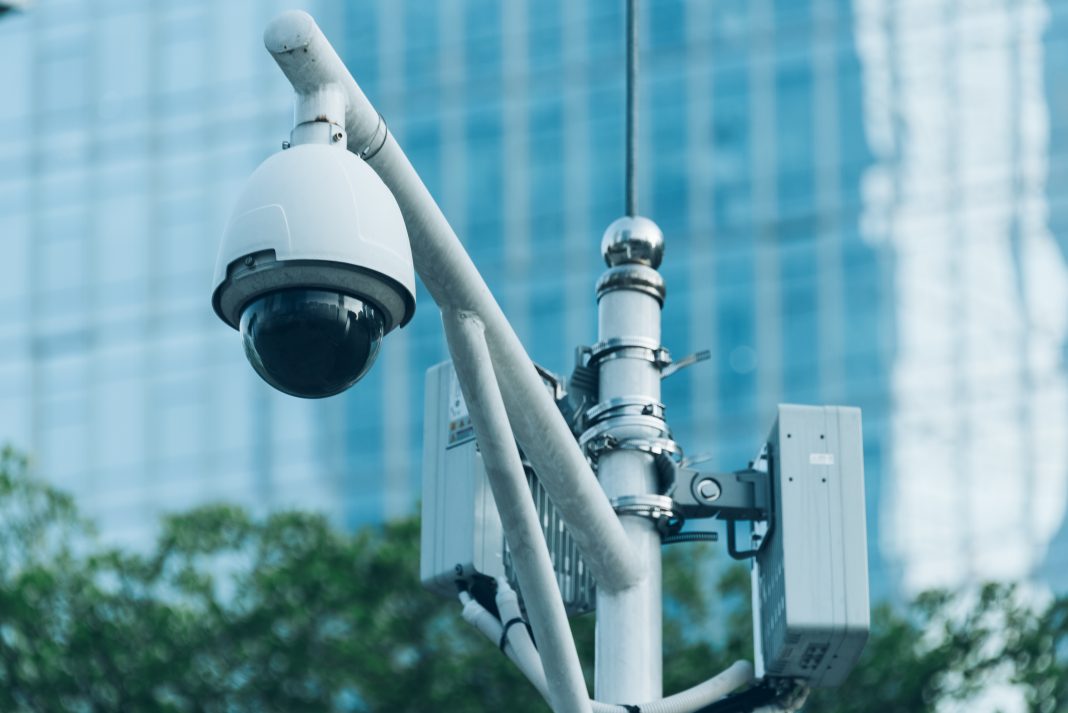
CCTV is not a magic fix, but it can reduce blind spots. Ask where cameras are installed, how long footage is stored, who can access it, and whether key areas such as entrances, play zones, hallways, and common rooms stay under coverage. Bathrooms and diaper-changing areas need privacy, so the better question is whether adjacent access points are monitored and how staff movement is recorded.
Parents should also ask for the center’s daily supervision pattern. If one caregiver leaves a room, who takes over? What is the adult-child ratio during meals, naps, and washroom breaks? How are pickups and drop-offs handled when a parent sends a relative, driver, or nanny?
Check these points before enrollment:
- CCTV coverage in common areas and entrances
- Footage storage period and access policy
- Live visitor logs and pickup authorization process
- Staff-to-child ratio during peak hours
- Emergency medical contact and nearest hospital tie-up
- Written incident reporting policy for injuries or disputes
- Daily attendance, nap, meal, and medication records
A Strong Daycare Should Welcome Questions
If a center becomes vague when asked about camera placement, backup power, room supervision, or incident logs, treat that as a warning. Safe daycare operators usually have written SOPs, not verbal promises.
Staff Verification, Training, and Child Protection Basics
This is one of the most important checks. Under the Anganwadi-cum-Crèche SOP, hiring prerequisites include a police verification certificate, prescribed educational qualification, character certificate, and medical certificate. Mission Shakti guidelines also say police verification of character and antecedents is mandatory for contractual staff before engagement.
Parents should ask private daycare centers whether they follow the same discipline even when not directly covered by that exact scheme. A serious center should be able to say yes and show at least part of its process. That does not mean sharing private staff files with parents, but it should mean confirming police checks, identity documents, references, child-safety training, and emergency training.
There is another legal angle many working parents miss. The Maternity Benefit Act says establishments with 50 or more employees must provide crèche facilities within the prescribed distance, and women must be allowed four visits a day to the crèche, including rest intervals.
For parents using employer-linked daycare, this should trigger more questions. Is the crèche run by the company, outsourced, or shared with another employer? Who audits it? Who handles complaints? What happens if CCTV footage is disputed?
Complaint Rules, Helplines, and What Parents Can Do Fast
If a parent suspects negligence, physical abuse, verbal abuse, or unsafe handling, delay helps no one. India already has formal complaint routes. Child Helpline 1098 runs round the clock under Mission Vatsalya and is integrated with ERSS-112 across states and UTs.
Parents can also file an online complaint through NCPCR’s e-BaalNidan portal, which allows registration and tracking of child-rights complaints. The PIB note on the platform says complaints can include details such as date, place, nature of complaint, and action taken.
A parent should act in this order: document visible injuries, preserve chats and fee receipts, request written incident details from the daycare, seek medical examination where needed, save CCTV requests in writing, and approach police or child-rights authorities without waiting for internal settlement talks. When a center pushes silence, asks parents not to escalate, or changes its story, that is not damage control.
FAQs
1. Is CCTV compulsory in every daycare in India?
No single national rule covers all private daycares, but cameras are now a major safety expectation.
2. Should parents ask for police verification of daycare staff?
Yes. Official childcare frameworks require police verification, and private centers should ideally follow the same practice.
3. Where can parents report suspected daycare abuse quickly?
Call Child Helpline 1098 immediately and file an online complaint through NCPCR’s e-BaalNidan portal.
4. What records should a daycare maintain for parents?
Attendance, pickup logs, incident reports, staff details, emergency contacts, CCTV policy, and daily care notes.
5. Is an employer daycare automatically safer than others?
Not always. Parents should still check CCTV, staffing, complaint systems, supervision patterns, and audits carefully.