
The sweets are ordered, relatives are coming, and train tickets still need booking. Then the bill arrives. Food, jewellery, travel and gifts compete for the same festival budget.
The latest numbers explain some of the pressure. India’s retail inflation reached 5.54% in September 2026, while food inflation climbed to 7.74%, the Ministry of Statistics reported on 12 October. Diwali falls on 8 November 2026.
Key Highlights
- September food inflation stood at 7.74%, above overall inflation of 5.54%.
- Gold, festive travel and large purchases are adding separate pressures.
- A bigger national shopping total does not mean every family is buying more.
Food Prices Are Changing the Festival Shopping List
A larger grocery bill often begins before the celebration. Extra oil for snacks, sugar for homemade sweets and vegetables for visiting relatives add to ordinary purchases. Buying larger quantities amplifies price rises.
Sugar provides a particularly clear example. The Centre recorded a rise from ₹48.18 a kilogram on 20 July to ₹55.70 on 20 August 2026, citing lower production and festive demand among the causes. The Centre authorised raw sugar imports and stockholding restrictions in its official announcement.
But not every ingredient has continued rising. On 1 October, the government reported a 15% decline in retail sugar prices from their August peak. National food inflation is an average, not every shop’s price change. Homemade sweets and gift boxes carry different costs.
Gold and Travel Create the Biggest Budget Surprises
Even a small gold purchase adds up. On 14 October 2026, the India Bullion and Jewellers Association listed 22-carat gold at ₹1,33,795 per 10 grams in its closing benchmark. The IBJA rate excludes GST and making charges; the showroom bill will be higher. Rates change daily.
Travel brings a different surprise. An Indian Express report on 11 October described Pune–Bengaluru flights that previously cost around ₹5,000 being quoted at ₹8,000–₹10,000, amid higher fuel surcharges and seasonal demand. Those figures are route-specific, not an all-India fare increase.
The bill also includes:
- Travel: fares for each person, local transport and baggage charges.
- Jewellery: daily metal rate, making charges and applicable taxes.
- Hosting: extra groceries and last-minute deliveries when guests arrive.
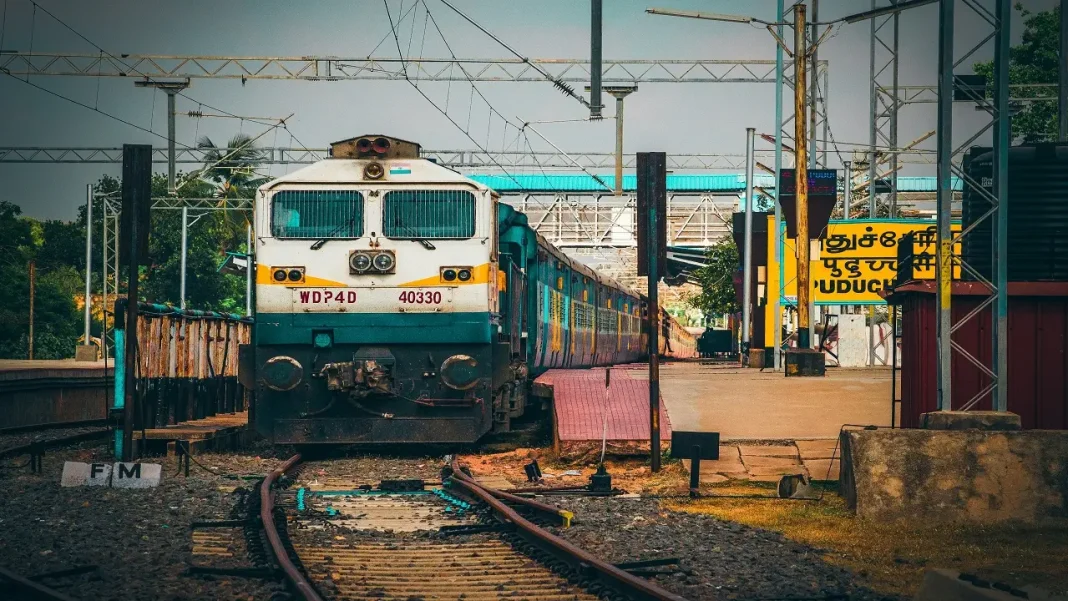
Indian Railways operated more than 12,000 special trains during Diwali–Chhath 2025, although no equivalent 2026 total is confirmed. Travellers can check availability through IRCTC before considering costlier alternatives.
Festive Discounts Do Not Always Reduce Total Spending
A discount on a phone does little for a household that also buys new curtains, clothes and gifts because each purchase appears affordable separately. Delivery fees or borrowing costs can quietly widen the gap between the advertised offer and the final payment.
Retailers nevertheless expect heavy demand. Redseer Strategy Consultants forecasts $15–16 billion in festive online sales in 2026 from 180–185 million shoppers. It also expects festive online sales growth of roughly 25%. These projections do not measure individual household spending.
Reporting on 16 October, The Times of India described smaller average online orders alongside greater use of instalments. Amazon India said purchases using no-cost EMI had increased to about 50%, from roughly 30% a year earlier. Instalments do not cut the price, and additional charges may apply.
How Families Can Celebrate Without Overspending
The useful starting point is last year’s actual spending, not a retailer’s festive price tag. Separate unavoidable commitments, particularly travel home, from purchases that can wait. A family with ₹20,000 available for festivities should not treat a ₹5,000 EMI purchase as free simply because the first instalment falls later.
Three decisions are worth making before checkout:
- Set limits by category: allocate amounts to food, travel and gifts rather than maintaining one loose total.
- Check final prices: include jewellery making charges, delivery fees and EMI terms.
- Leave a buffer: unexpected guests or a changed return journey should not require expensive borrowing.
For one family, the pressure is travel; for another, catering or gold. Last year’s actual bills offer a better comparison than assuming every item costs more.
For more festival updates and practical shopping information, follow India Focus Daily and plan purchases around verified prices rather than countdown offers.
Why Are Festivals More Expensive in India in 2026?
Food inflation, jewellery prices and seasonal travel fares are pressing on household budgets. The increase varies by location, shopping habits and how extensively each family celebrates.
What Was India’s Food Inflation Rate in September 2026?
The government reported 7.74% annual food inflation in September 2026, compared with 5.54% overall retail inflation. These measures reflect national averages, not local shop prices.
Is Buying Gold During Diwali 2026 More Expensive?
Gold prices fluctuate daily. IBJA’s 14 October benchmark for 22-carat gold was ₹1,33,795 per 10 grams, before GST and making charges, which vary by jeweller.
Why Do Flight Tickets Cost More Around Festivals?
Popular routes face concentrated demand during holiday travel. Fuel surcharges can add further costs, although ticket prices still depend on the route and booking date.
How Can a Family Reduce Festival Expenses?
Agree on a total budget early, reserve travel money, and compare final prices across sellers. Avoid instalment purchases unless future repayments comfortably fit household income.
Explore festive traditions, smart savings and the latest lifestyle trends!
1. How Can You Book Festival Trains?
Check out how to book festival special trains for your holiday journey.
2. Why Are Retro Hobbies Returning Again?
Discover why Gen Z is bringing old-fashioned hobbies back.
3. What Makes Maa Katyayani So Special?
Uncover Maa Katyayani’s story and Navratri Day 6 significance.
4. Could Repo Rates Change Your EMI?
Find out how repo rate changes affect borrowers and repayments.
5. Can Gold Alternatives Lower Your Taxes?
Explore gold investment alternatives and tax-saving possibilities in 2026.