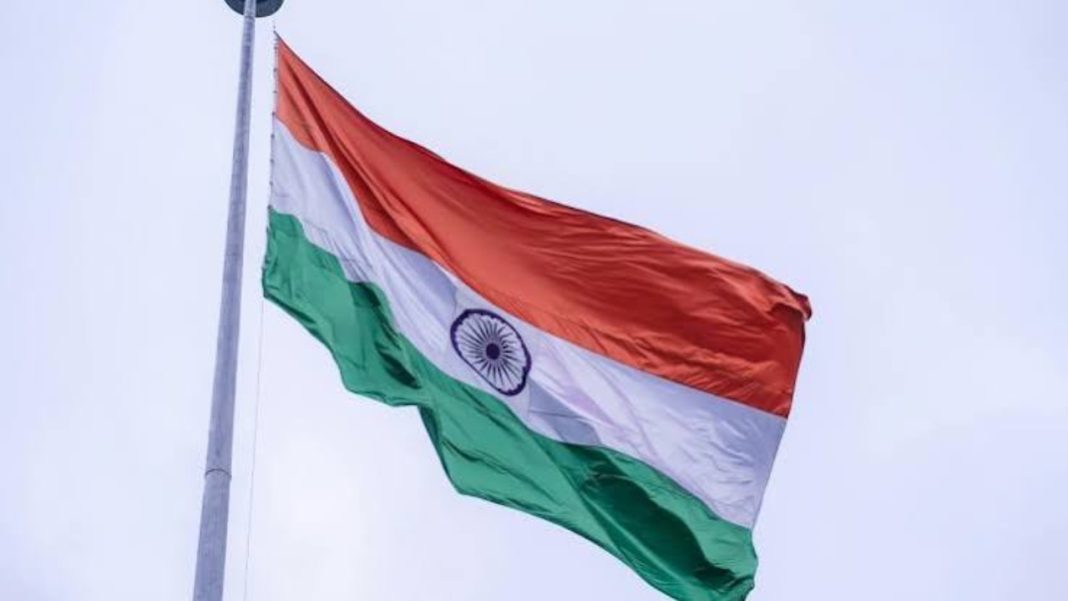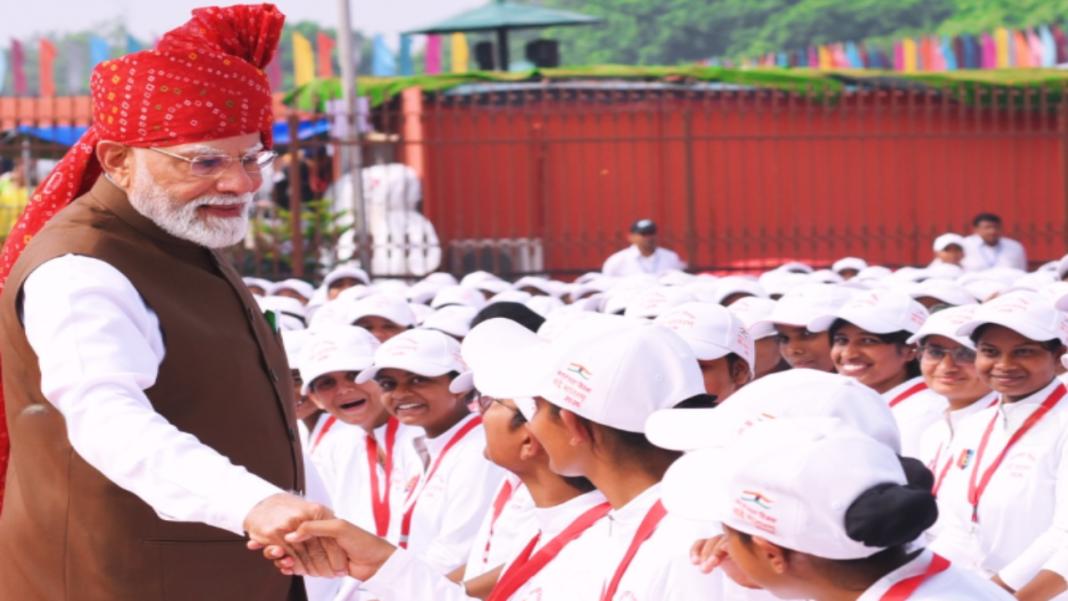

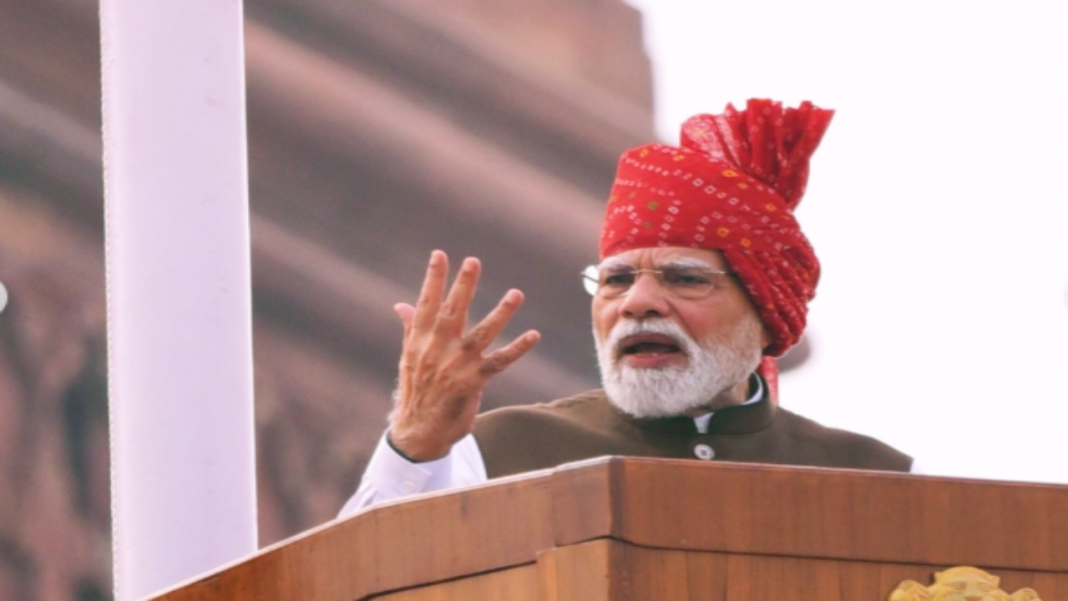

India’s 80th Independence Day did more than bring the Tricolour back over the Red Fort. Prime Minister Narendra Modi used his August 15 address to put a new seven-part development pitch at the centre of the Viksit Bharat 2047 story. Called “Shakti Ki Saptadhara,” or seven streams of strength, the framework runs from factories and farms to technology, defence and culture.
The government’s official Independence Day programme also marked 150 years of “Vande Mataram” and highlighted Yuva Shakti. Modi’s speech widened that youth focus with announcements on AI skills, competitive-exam coaching and sports talent identification.
What Are The Seven ‘Saptadhara’ Priorities Announced By PM Modi?
The Saptadhara idea is not a single scheme. Modi presented it as a policy map linking the strengths India wants to build together for faster growth, greater self-reliance and a bigger global role by 2047. All India Radio News shared his call to embrace the seven streams in an official X post.
The seven priorities are:
- Manufacturing Power: Expand domestic production, improve competitiveness and give Indian industry a larger place in global supply chains.
- Agriculture and Food Processing: Raise value from farming through processing, technology and stronger market opportunities.
- Technology And Innovation: Build capacity in AI, robotics, quantum technology, semiconductors, space and other emerging sectors.
- Gati Shakti: Improve infrastructure, logistics and connectivity so goods, people and businesses can move faster.
- Defence Power: Deepen indigenous defence production and reduce strategic dependence on overseas suppliers.
- Green and Blue Economy: Grow clean energy while using marine and coastal resources more productively and sustainably.
- India’s Soft Power: Take Indian culture, wellness traditions and creative industries to wider global audiences.
The links between them are clear. Manufacturing needs logistics. Technology feeds defence and industry. Agriculture gains from processing, while energy security supports nearly every stream.
AI Training, Free Coaching And Chips Put Youth At The Centre
Some of the most discussed announcements sat outside the seven labels but supported them directly. Modi said one crore young people would receive AI skilling over the next year, while free online coaching would be provided for competitive-exam aspirants. The AI training and free coaching announcement quickly became one of the speech’s biggest youth-focused headlines.
Sport also entered the picture. A nationwide talent hunt is planned for children aged five to 15, with identification expected across villages, cities and schools as India keeps its 2036 Olympics ambition in view.
On technology manufacturing, Modi said India already has three semiconductor plants operating and expects another five to eight plants over the next seven to eight years, according to NDTV Profit’s report on the chip push. That feeds directly into the manufacturing and innovation streams.
Energy was another major thread. Modi reiterated India’s goal of reaching 100 GW of nuclear power capacity by 2047, a target tied to the country’s long-term energy transition plans.
Why The 80th Independence Day Speech Stood Out
The address mixed economic priorities with politically significant messages. Modi urged political parties to move quickly on 33% reservation for women in the Lok Sabha and state legislatures. He also called on MSMEs to use India’s expanding network of free-trade agreements to reach global markets.
The setting carried extra symbolism. India’s 80th Independence Day marks 79 completed years since independence on August 15, 1947. The Red Fort programme placed “Vande Mataram” prominently in its 150-year commemoration and framed youth participation around the Viksit Bharat 2047 goal.
That made the speech broader than a list of schemes. It linked industrial policy, jobs, skills, energy, security and culture under one theme: India should produce more at home, innovate faster and compete more confidently abroad.
What Happens Next With The Saptadhara Push?
Saptadhara now gives the government a simple seven-part frame for its 2047 agenda. The bigger test will be execution. AI training must reach young people at scale, chip projects need to move into production, infrastructure must reduce logistics friction, and green growth needs steady investment.
For businesses, students and investors, the follow-through through ministries, budgets and individual schemes will be more important than the slogan. Still, the speech made the direction clear: manufacturing, technology, food value chains, infrastructure, defence, sustainable growth and cultural reach are being presented as connected priorities.
FAQs
What is Saptadhara in PM Modi’s Independence Day speech?
Saptadhara is a seven-part framework covering manufacturing, agriculture, technology, infrastructure, defence, sustainability and soft power.
How many young Indians will receive AI training?
The government plans AI skilling for one crore young people over the coming year nationwide.
What did PM Modi announce for competitive-exam aspirants?
He announced free online coaching aimed at helping young people prepare for competitive examinations nationwide.
What is India’s nuclear power target for 2047?
India is targeting 100 GW of nuclear power capacity by 2047 under its energy strategy.
Which children are covered by the sports talent hunt?
The nationwide sports talent hunt will identify promising children between five and fifteen years old.
Explore more stories on India’s Independence Day, Viksit Bharat 2047, AI, manufacturing, defence, and national development.
Article 370 Abrogation Anniversary: PM Modi Says J&K And Ladakh Entered A New Chapter
PM Modi ₹25 Lakh Monthly Income Scheme Video Is Fake: How To Spot AI-Generated Government Scam Ads
Gold Price Check: 5 Smart Ways To Invest In Digital Gold After PM Modi’s ‘One Year Pause’ Request