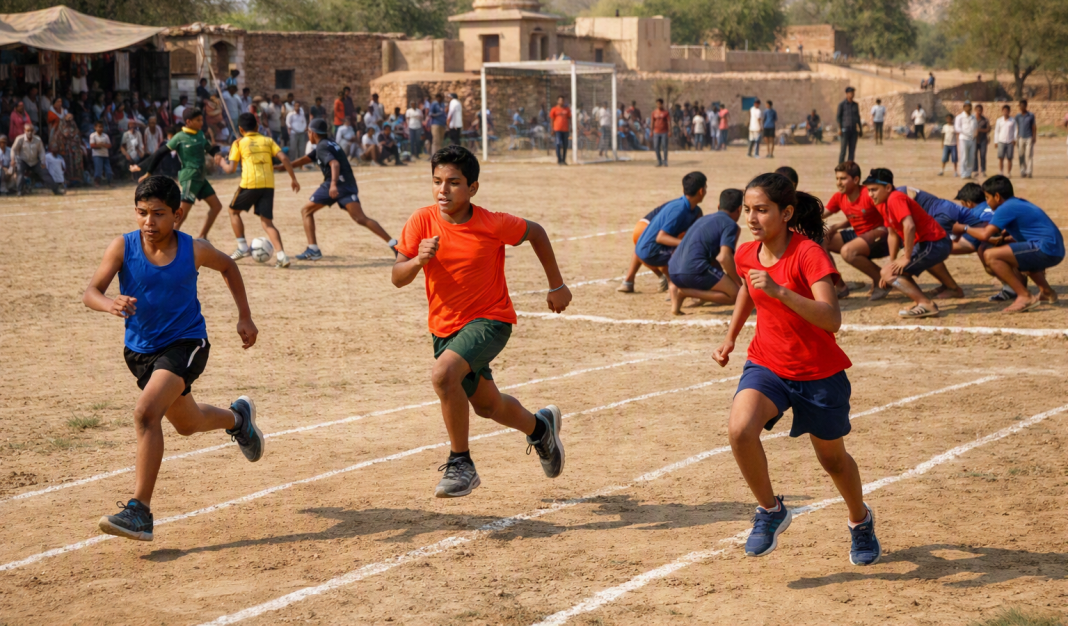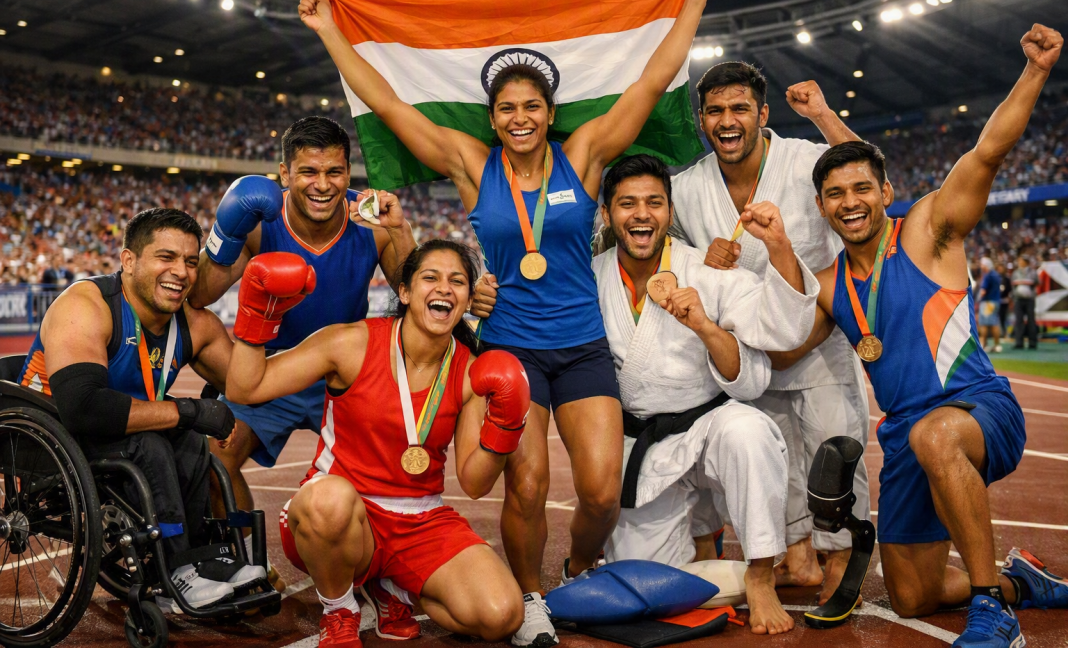
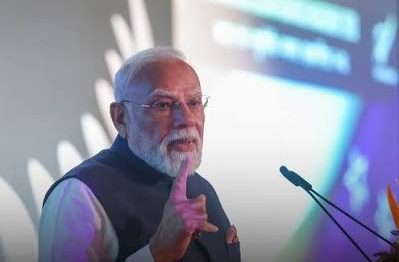

Prime Minister Narendra Modi marked seven years since the Article 370 abrogation on August 5, 2026, calling the constitutional change a “decisive new chapter” for Jammu and Kashmir and Ladakh. His message highlighted infrastructure, education, healthcare, entrepreneurship, sports and equal constitutional rights.
The statement, reported by the Times of India, arrives amid a sharp national debate. The Centre points to lower violence, large public projects, tourism and elections. Regional parties continue to press for statehood, special-status protections and greater political control.
What PM Modi Said On The Seventh Anniversary
Modi said Articles 370 and 35(A) “became history” on August 5, 2019, opening a different path for both Union Territories. He argued that the full application of the Constitution widened rights for women and marginalised communities that had previously faced legal restrictions. He also renewed the Centre’s promise to help residents “dream big, achieve and contribute” to a developed India.
The Prime Minister linked the occasion with Syama Prasad Mookerjee’s 125th birth anniversary and his campaign against a separate constitutional arrangement. The official X account of Narendra Modi carried the anniversary message, while an earlier official post following the Supreme Court verdict described the December 2023 judgment upholding the 2019 move as historic.
The 2019 decision made most Article 370 provisions inoperative and created the two Union Territories. Jammu and Kashmir received a legislature, while Ladakh became a Union Territory without one.
What Official Numbers Say About Change
Government data supports parts of the transformation claim across security, projects, employment, tourism and investment, without settling the political argument.
- Terrorist-initiated incidents fell from 228 in 2018 to 12 in 2025, according to the Centre.
- Sixty-three major projects worth about ₹80,000 crore were approved; 53 had been completed.
- More than 41,000 government jobs were created from 2019 to May 2026.
- Jammu and Kashmir recorded over 2.3 crore tourist arrivals during 2024, its highest reported total.
The same PIB security and development backgrounder says organised strikes and shutdowns declined from 52 in 2018 to zero from 2023 through April 2026. It also records over 9.81 lakh self-employment opportunities during the previous four years and nearly ₹18,000 crore in investment between 2016-17 and 2025-26.
Economic expansion has continued, but the latest picture is not without pressure. The Jammu and Kashmir Economic Survey 2025-26 estimated nominal GSDP near ₹2.86 lakh crore and real growth at 5.82 per cent. It also noted softer tourism-linked activity after a recent security incident, showing how quickly local businesses can be affected.
Elections Returned, But The Political Dispute Continues
One major post-2019 development was the return of Assembly elections in 2024. The Election Commission’s final turnout update recorded 63.88 per cent voting across Jammu and Kashmir. The result restored an elected regional government after a long gap.
Yet the seventh anniversary did not produce a common political reading. The BJP planned celebrations, while the National Conference and PDP announced separate protests. Congress leaders also observed the date as a “Black Day” and demanded statehood. These protest plans reported on August 5 show that electoral participation and disagreement are moving together.
For the Centre, the key story is integration, security and delivery. For its opponents, elected government without restored statehood leaves the constitutional transition unfinished. Ladakh has separate concerns over representation, land, jobs and safeguards, adding another layer to the debate.
What Comes Next For Jammu, Kashmir And Ladakh
The next phase will be judged through everyday outcomes. Residents will watch whether private investment produces stable work, whether tourism recovers safely, whether completed projects improve travel and public services, and whether young people find careers without leaving the region.
Statehood will remain the largest political test in Jammu and Kashmir. A clear roadmap could lower friction between the elected administration and the Centre. Ladakh’s demands will also require sustained talks rather than occasional assurances.
The Article 370 abrogation anniversary therefore carries two stories at once. Official figures show lower violence, infrastructure spending, jobs, visitors and renewed elections. Political protests show that identity, federal powers and constitutional status remain open questions. Progress will carry greater weight when security gains, civil rights, accountable government and local opportunity advance together.
Frequently Asked Questions
What Happened To Article 370 In 2019?
Parliament made most provisions inoperative, while Jammu and Kashmir was reorganised into two Union Territories.
When Was Article 370 Changed?
The constitutional changes were announced on August 5, 2019, followed by territorial reorganisation that October.
What Did PM Modi Say In 2026?
He called the anniversary a decisive new chapter marked by rights, infrastructure, opportunity and growth.
Did Elections Return To Jammu And Kashmir?
Yes, the 2024 Assembly election recorded 63.88 percent turnout and restored an elected regional government.
Is Jammu And Kashmir A State Now?
No, it remains a Union Territory, while political parties continue demanding the restoration of statehood.