
Odisha’s Special Intensive Revision, or SIR, removed 20,12,557 names before the state’s draft electoral roll was published on July 5, 2026. The draft contained 3,13,87,034 electors, down from 3,33,99,591 before the exercise. Most exclusions were linked to deaths, shifting or absence, duplicate registrations, and forms that were not returned during house-to-house verification.
There is one important update for voters reading this now. The original claims and objections window ran from July 5 to August 4. Odisha has since published its final electoral roll on September 21. A person whose name is still missing can nevertheless seek inclusion through the Election Commission’s continuous updation process, while statutory appeals remain available against an Electoral Registration Officer’s decision.
What Changed In Odisha’s Draft Electoral Roll?
The SIR enumeration was carried out from May 30 to June 28, with July 1 as the qualifying date. Election officials collected 3.13 crore enumeration forms, covering 93.97% of the pre-revision electorate. The remaining entries were kept out of the draft pending the claims, objections and verification process.
The draft-stage figures show why the exercise drew close attention across Odisha:
- 8.32 lakh electors were recorded as deceased.
- About 10.07 lakh were classified as absent or shifted.
- Roughly 1.58 lakh were found enrolled at multiple places.
- Around 14,000 entries fell under other categories.
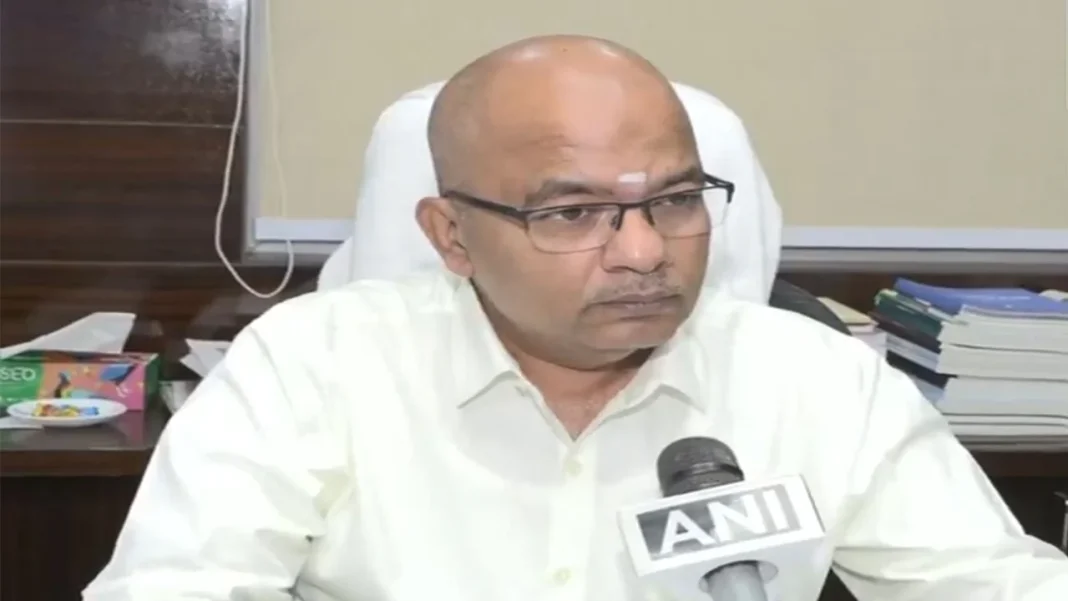
Chief Electoral Officer R S Gopalan said the exclusions followed verification during the enumeration exercise. Opposition party BJD, however, questioned the scale of the omissions and raised concerns that eligible people could have been left out. Those claims were political allegations, while electoral authorities maintained that affected eligible voters had a route to seek inclusion during the revision.
Who Can Still File Claims After The Draft Stage?
During the formal draft period, any eligible Indian citizen ordinarily resident in the constituency whose name was missing could submit a claim for inclusion. The Election Commission’s notified Odisha SIR schedule fixed July 5 to August 4 for claims and objections.
That specific SIR window is now over. Still, voter registration does not stop after publication of a final roll. The Election Commission says electoral rolls remain under continuous updation, allowing an eligible person to apply for inclusion by filing Form 6 with the Electoral Registration Officer or Assistant Electoral Registration Officer.
For voters who were removed but believe they remain eligible at their ordinary place of residence, the first step is to check the latest roll and submit the appropriate application with supporting documents. Overseas Indian citizens can use Form 6A where applicable. Form 8 is used for corrections or shifting, while Form 7 is meant for deletion requests or objections to an entry. The CEO Odisha voter forms page lists these forms and their purposes.
What Happened Between The Draft And Final Roll?
The September 21 final roll changed the numbers again. Odisha now has 3,16,32,754 electors. Between the draft and final publication, 2,90,497 electors were added and 44,777 were deleted, producing a net increase of 2,45,720 over the July draft.
Election officials also issued more than 58 lakh notices during the verification phase, including notices for unmapped electors and records showing logical discrepancies. A total of 2,55,996 claims and objections were received and processed during the prescribed period.
The state now has 1,61,30,319 male electors, 1,54,99,661 female electors and 2,774 third-gender electors. Odisha also has 45,250 polling stations after rationalisation.
An ANI video posted on X on September 21 carried Gopalan’s statement announcing completion of the SIR and publication of the final roll. The update is important because the “20 lakh deleted” figure describes the draft-stage exclusion, not the final number of registered electors.
How Can Voters Check Their Name And Appeal?
Voters can search the latest electoral roll through the Election Commission voter portal, the CEO Odisha website, the ECINET app, or by checking records available with local election offices.
If an ERO rejects an application during continuous updation, the Election Commission says the first appeal can go to the District Magistrate, Additional District Magistrate, Executive Magistrate or District Collector, as applicable. A further appeal can then be filed before the Chief Electoral Officer.
FAQs
1. When Was Odisha’s Draft Electoral Roll Published?
The draft electoral roll was published on July 5, 2026, after the SIR enumeration exercise.
2. How Many Names Were Excluded From The Draft?
More than 20 lakh names were excluded before Odisha published its July 5 draft roll.
3. Can A Missing Eligible Voter Still Apply Now?
Yes, eligible voters may seek inclusion through continuous updation by submitting Form 6 to officials.
4. Which Form Is Used To Correct Voter Details?
Form 8 is used for corrections, residence shifts, EPIC requests and disability marking by voters.
5. Where Can Odisha Voters Check Their Names?
Voters can search online through ECI, CEO Odisha, ECINET, or inspect rolls at election offices.
Odisha Updates: Results, Schemes, Wildlife & Growth
When Will Odisha 12th Results Arrive?
Check out the expected CHSE Odisha 12th Result 2026 date and time.
How Did Orangutans Reach Odisha?
Uncover how five baby orangutans were found in Balasore.
Why Is Bhubaneswar Becoming A Tech Hub?
Explore why Odisha is attracting major digital infrastructure investments.
Who Can Get Odisha Free Education?
Find the eligibility, documents, and application process for the scheme.
When Will Left-Out Beneficiaries Get Money?
See the latest Subhadra Yojana update and payment details.