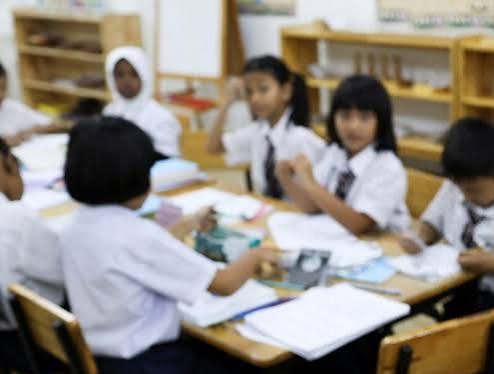

Online hostility against Rohingya refugees in Malaysia is now reaching classrooms. At least nine schools teaching Rohingya children have closed because of safety fears or official action following complaints online. The immediate victims are children who already have no route into Malaysia’s public school system. For families relying on community classrooms, a closure can mean no schooling at all.
The backlash sharpened in May as hostile posts, misinformation and videos spread across Facebook, Instagram, Threads and TikTok. A petition calling for Rohingya refugees to be removed from Malaysia drew nearly half a million signatures before being taken down in June. Teachers say children are frightened to travel, wear uniforms or use public playgrounds.
Key Highlights
- At least nine Rohingya schools have shut across Malaysia.
- Refugee children remain excluded from the national public school system.
- Meta removed seven of 10 items flagged by Reuters; TikTok removed eight of 11.
- Malaysia is shifting refugee registration towards its own domestic system.
Why Are Rohingya Schools In Malaysia Closing Now?
The closures are not all happening for the same reason. Some operators suspended classes after threats against pupils. Others were closed by authorities over alleged permit problems. In Kedah, a school was shut after videos of its premises appeared online and complaints followed. Three schools still operating have reportedly stopped outdoor activities and told pupils not to wear uniforms.
That fear is hitting an education network that was already fragile. UNHCR says refugee and asylum-seeking children cannot attend Malaysian public schools and instead rely on informal community learning centres. Around 160 refugee learning centres are recognised by UNHCR across Peninsular Malaysia, but many have limited funding and rely heavily on community support.
How Did Online Hate Move From Screens To School Gates?
ARTICLE 19 warned in June that false claims about Rohingya refugees were circulating widely, including fabricated material suggesting they were demanding land or special rights. Reuters later found posts encouraging violence and content urging users to film Rohingya communities and report their locations. Such exposure can turn a normal school route into a security risk.
Twelve-year-old Nur stopped attending school in June after two men threatened to beat her while she travelled to class. Her school later suspended lessons. Her case shows how online rhetoric can create offline consequences without any formal order. A child may remain enrolled, and a teacher may be ready, yet fear can empty the classroom.
The Moderation Gap Is Part Of The Story
Reuters reported that Meta removed seven of 10 flagged items across Facebook, Instagram and Threads, while TikTok removed eight of 11. ARTICLE 19 said harmful material still remained online, raising questions about how quickly platforms can identify coded language, local slang, images and calls for harassment.
Why Are Refugee Children Especially Exposed?
Rohingya children have few alternatives when a community school closes. They cannot simply transfer into a government school. Earlier this year, UNHCR said funding pressure had already reduced transport and classroom capacity at Rohingya learning centres. One closure in eastern Malaysia left around 150 children without classes before the latest hostility.
The political backdrop is also changing. On July 23, Malaysia said it had asked UNHCR to temporarily stop registering new refugees while the government develops its DPP registration programme. Officials said about 215,600 refugees and asylum-seekers were registered with UNHCR at the end of February, with more than half identified as Rohingya Muslims from Myanmar.
For children, the policy debate arrives through daily restrictions: a cancelled class, a hidden uniform, a parent refusing to let a child walk outside alone. Educators warn prolonged closures could increase street begging, early marriage among girls and long-term learning loss.
What Happens Next For Malaysia And The Platforms?
Malaysia faces two pressures at once. It wants tighter oversight of refugees and unlicensed activity, while rights groups are asking it to protect Rohingya communities from threats and discriminatory attacks. Home Minister Saifuddin Nasution Ismail said in June that the government could not arbitrarily deport refugees and would balance national security with humanitarian values.
Social media companies also face scrutiny. Their systems combine automated detection with human review, yet this episode shows the weakness of acting only after abusive posts spread widely. UNHCR warned on July 7 that misinformation and dehumanising speech can block refugees from education, jobs and protection services, while triggering harassment or violence.
For Rohingya children, the issue is direct. School is often their only structured learning space. Closing those classrooms does not settle public anger or immigration policy. It leaves children at home, pushes families further to the margins and makes the damage from online hate harder to reverse.
FAQS
1. Why are Rohingya schools in Malaysia closing?
Some have closed over safety threats, while authorities shut others for alleged permit violations reported.
2. Can Rohingya children attend public schools in Malaysia?
No, refugee and asylum-seeking children generally cannot enter Malaysia’s national public education system legally today.
3. How many Rohingya schools have closed?
At least nine schools had closed nationwide by July 2026, according to Reuters checks reported.
4. How has social media affected Rohingya children?
Online threats, doxxing-style exposure and hostile videos have increased fear around schools and public spaces.
5. What could happen if closures continue?
Educators warn prolonged closures could increase begging, early marriage, lost learning and deeper social isolation.