
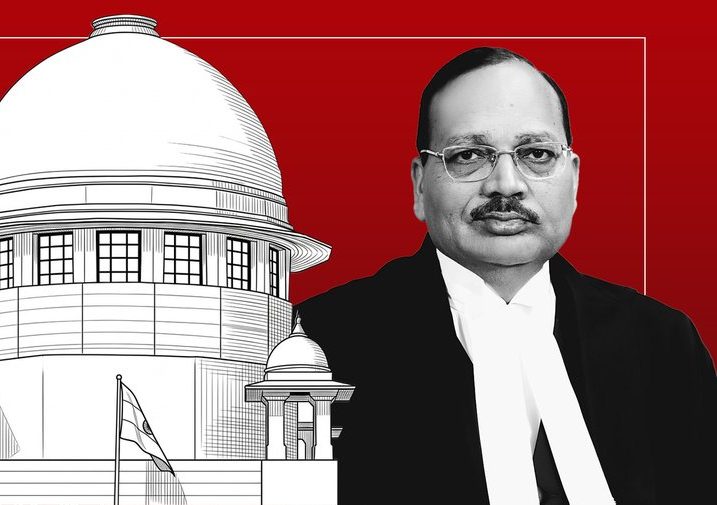

A courtroom exchange lasting only a few moments has become the latest flashpoint in India’s widening student protest. On July 22, 2026, the Supreme Court declined urgent listing of a plea concerning alleged Delhi Police action during the July 20 march towards Parliament. Chief Justice of India Surya Kant’s response to the lawyer’s request drew criticism from the Cockroach Janta Party and opposition leaders, while the protest itself continued to disrupt Delhi and Parliament.
The dispute is no longer limited to one remark. It now includes competing claims about police violence, protester conduct, examination leaks, political accountability and how courts should respond when urgent civil-liberty claims arrive through oral mentioning.
What Did The Supreme Court Say About The Protest Videos?
According to LiveLaw’s report, Advocate Narendra Mishra sought urgent listing of a petition related to alleged police excesses against students. He referred to NEET exam concerns, National Testing Agency reforms and videos said to show police action. The CJI replied, “Don’t waste our time,” and later said the court was not interested in videos because it had no time to watch them.
The exchange concerned urgent listing, not a final ruling on whether the police acted lawfully. That procedural difference is important. Still, the language used during the mention quickly overtook the legal issue itself. LiveLaw’s official Instagram post carried the courtroom update, helping the remarks travel far beyond legal circles.
Why Did The CJI’s Remarks Draw Such Strong Reactions?
CJP founder Abhijeet Dipke reacted on X with question marks. Spokesperson Saurav Das accused the Chief Justice of showing arrogance. AAP leader Somnath Bharti argued that courts should patiently hear serious allegations involving action against students. Shiv Sena UBT MP Priyanka Chaturvedi responded with the single word “Amazing,” according to the Times of India report.
The anger also carries the memory of an earlier controversy. In May, remarks attributed to CJI Surya Kant were widely reported as comparing some unemployed youngsters with “cockroaches.” He later said those oral observations had been misquoted and were aimed at people entering professions with fake degrees, not unemployed youth generally. CJP adopted the cockroach label as a symbol of resistance, giving the latest courtroom exchange added political weight.
What Happened During The July 20 Student March?
Thousands of students and supporters marched towards Parliament demanding Education Minister Dharmendra Pradhan’s resignation over alleged examination paper leaks and failures in the testing system. Police used batons and tear gas after barricades were breached.
Delhi Police said protesters behaved aggressively and violated prohibitory orders, while protesters accused officers of indiscriminate force. Reuters reported injuries among both police personnel and demonstrators, while noting that competing injury figures could not be independently verified.
The fallout widened rapidly:
- Delhi Police registered several criminal cases linked to violence, vandalism and an alleged attack on security personnel.
- Opposition MPs protested in black and demanded a parliamentary debate and Pradhan’s resignation.
- Sixteen central Delhi Metro stations were shut temporarily amid security restrictions.
- Demonstrations spread to cities including Mumbai, Bengaluru, Kolkata, Goa, Guwahati, Jammu and Ahmedabad.
- Supreme Court bar bodies sought an independent inquiry into the police action.
A Reuters report on the nationwide escalation said the agitation had grown into the Modi government’s sharpest youth backlash since 2014. The government offered debate and promised examination reforms, but rejected the opposition’s demand that discussion begin only after Pradhan resigned.
What Happens Next In The Court And On The Streets?
Hours after the Supreme Court exchange, the Delhi High Court issued notices to the Centre and Delhi Police on petitions alleging excessive force. It also directed authorities to preserve CCTV footage, body-camera recordings and other digital records, with the next hearing listed for September 11. The Delhi High Court update means video evidence not examined during the urgent Supreme Court mentioning may still become important in another judicial forum.
The coming phase will depend on the preserved footage, police replies, court hearings and whether Parliament produces a substantive debate on examination reform. CJP has continued its Jantar Mantar protest, while government leaders have accused opposition parties of using students for political ends. The CJI protest videos remark may fade, but the legal questions behind it remain open.
Frequently Asked Questions
Did The Supreme Court Dismiss The Protesters’ Entire Case?
The court declined urgent listing; it did not finally decide the allegations against Delhi Police.
Who Mentioned The Plea Before The Supreme Court?
Advocate Narendra Mishra mentioned the plea concerning alleged police excesses during the July 20 march.
What Did The Delhi High Court Order?
The High Court ordered preservation of CCTV, body-camera recordings, and other evidence from the protest.
Who Criticised The CJI’s Remarks?
CJP leaders, AAP’s Somnath Bharti, and Shiv Sena UBT’s Priyanka Chaturvedi criticised the remarks publicly.
What Could Shape The Next Phase?
Further hearings, police responses, preserved footage, and parliamentary debate may shape the controversy’s next phase.