
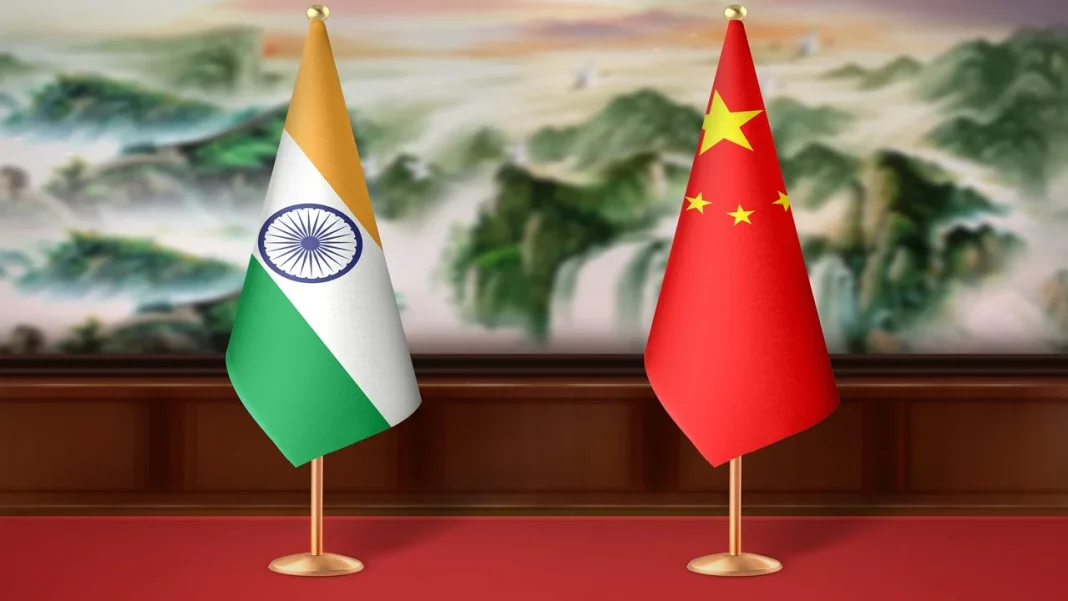

Chinese President Xi Jinping arrived in New Delhi on Saturday, September 12, for the 18th BRICS Summit and a closely watched meeting with Prime Minister Narendra Modi later this evening. It is Xi’s first visit to India since the 2019 Mamallapuram informal summit, and it comes after the sharp downturn in ties that followed the 2020 eastern Ladakh military confrontation.
The arrival itself carried strong symbolism. Xi received a red-carpet welcome in Delhi, while the Modi-Xi meeting will be their third in three years. The bigger question, though, is whether both leaders can turn a cautious diplomatic thaw into practical agreements on the border, trade, travel and wider regional cooperation.
Why Xi Jinping’s India Return Is Drawing So Much Attention
India-China relations have moved slowly away from the freeze that followed the Galwan Valley clash. The October 2024 disengagement deal removed troops from key friction points, while political contacts have gradually returned. Direct flights, pilgrimage routes and border trade have also begun coming back after years of disruption.
The latest groundwork was laid in Beijing on August 25, when National Security Adviser Ajit Doval and Chinese Foreign Minister Wang Yi held the 25th round of Special Representatives talks. Their eight-point outcome covered border management, two additional military hotlines, extra commander-level meeting points, trans-border rivers and the reopening of three designated border trading points.
That gives Modi and Xi a ready-made list of issues to push forward. Any announcement tonight may therefore focus less on dramatic breakthroughs and more on turning those recent understandings into timelines, mechanisms and political backing from the top.
What Could Modi And Xi Agree On This Evening?
Several outcomes are being watched closely before the leaders sit down. Indian officials have not announced a final package, so these remain likely areas rather than confirmed agreements.
- Border stability: The two leaders could endorse faster work on boundary delimitation, improved Line of Actual Control management and the new military communication channels agreed in August.
- Strategic economic dialogue: New Delhi is expected to raise the trade imbalance and seek easier access for Indian pharmaceuticals, information technology services and agricultural products in China.
- Investment rules: Beijing may seek a less restrictive environment for Chinese companies, while India is likely to retain security checks in sensitive sectors.
- Travel and connectivity: China Southern says Delhi-Guangzhou service restarts September 21 after a six-year pause, while both sides could support more routes and simpler visas.
- Rivers, pilgrimage and border trade: Hydrological data sharing, Kailash Mansarovar travel and reopened border markets offer areas where progress is easier to show quickly.
The economic track could become one of the clearest tests. The Indian Express reported that bilateral trade was about $127.7 billion in FY2024-25, with the deficit around $112 billion. A revived strategic economic dialogue could give both governments a formal channel for market access complaints, supply-chain issues and investment concerns.
Border Progress May Be The First Deliverable
A final boundary settlement remains far away. Still, the August talks created two working tracks, one for an “early and substantial harvest” on boundary delimitation and another for border management. If Modi and Xi publicly back those processes, officials on both sides would gain more room to keep negotiations moving.
There is also a September meeting planned on trans-border rivers, including hydrological data and renewal of relevant agreements. That issue could attract extra attention because water data, flood warnings and upstream projects can quickly become politically sensitive between the neighbours.
How BRICS Changes The Modi-Xi Conversation
This meeting is not happening in isolation. India is chairing BRICS in 2026, while China is due to take the presidency in 2027. Beijing has already said it wants close coordination with New Delhi during the two consecutive presidencies, giving both sides a reason to prevent bilateral disputes from overwhelming the grouping.
BRICS itself is meeting during a turbulent period. The expanded group now includes Brazil, Russia, India, China, South Africa, Egypt, Ethiopia, Indonesia, Iran and the United Arab Emirates. Wars in West Asia and Ukraine, energy-market disruption, shipping risks, trade barriers and pressure on supply chains are all hanging over the summit.
Modi has used the BRICS platform to argue for practical cooperation rather than bloc politics. In an official X post ahead of the summit, he said India was “all set” for BRICS 2026. China, meanwhile, has stressed multilateralism, local-currency cooperation, trade facilitation and closer Global South coordination.
That leaves room for Modi and Xi to agree on BRICS cooperation even where bilateral positions remain apart. They could support resilient supply chains, development finance, artificial intelligence cooperation, energy security and reforms of global institutions without pretending that their strategic rivalry has disappeared.
For India, the key test will be whether border calm is matched by movement on trade access and economic reciprocity. For China, the meeting offers a chance to stabilise ties with another major Asian power while global tensions remain high. A short joint readout may not look dramatic, but even clear commitments on border mechanisms, flights, trade talks and people-to-people exchanges would mark another step away from the hostility of 2020. That is why tonight’s language will count.
FAQs
When did Xi Jinping last visit India before 2026?
Xi last visited India in October 2019 for an informal summit with Modi at Mamallapuram.
When will Narendra Modi and Xi Jinping meet today?
Their bilateral meeting is scheduled for Saturday evening during the BRICS Summit in New Delhi.
What is likely to dominate the Modi-Xi meeting?
Border stability, trade imbalance, market access, investment restrictions, connectivity and BRICS coordination are likely priorities.
Could India and China announce a border settlement today?
A final settlement appears unlikely, but both leaders could accelerate delimitation talks and border-management mechanisms.
Why is the 2026 BRICS Summit important for India-China ties?
India chairs BRICS this year, China follows in 2027, creating incentives for closer diplomatic coordination.
Global Affairs in Focus: Security, Borders, Aviation & 6G
What Security Changes Are Coming Delhi?
Check out the major security measures planned as BRICS leaders arrive in the capital.
Could Fresh Talks Ease LAC Tensions?
Find out whether the latest India-China commander-level talks could support border de-escalation.
What Did Jaishankar And Wang Discuss?
Uncover how border peace and trade balance shaped the India-China discussions in Manila.
Why Were India Flights Cancelled?
Browse the UK aviation technology glitch and its impact on flights from India.
Can India Help Shape Global 6G?
Reveal India’s potential role in setting international standards for next-generation telecom technology.